

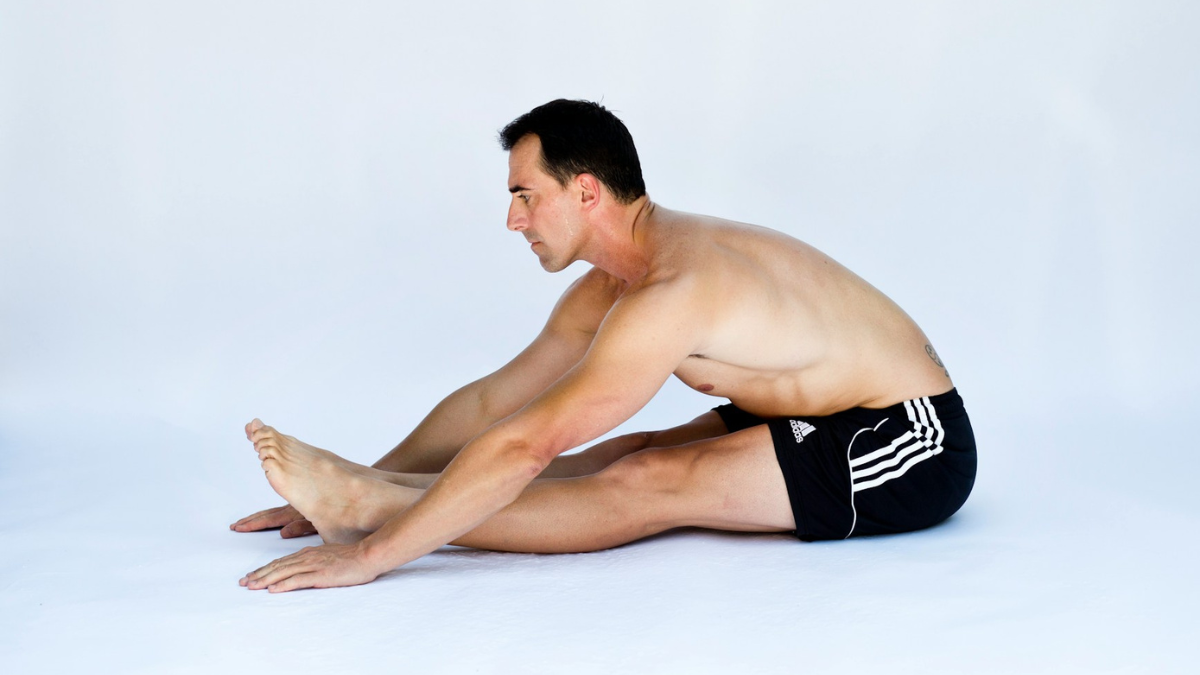
Many gym goers spend hours working on strength, cardiovascular endurance, and power while completely overlooking mobility and flexibility.
Flexibility especially often takes a back seat until an unexpected lower back ache or tight hamstring stops training altogether.
Among the various functional assessments used by sports scientists and strength coaches, the sit and reach test remains the undisputed gold standard for measuring posterior chain mobility.
Give it a go and see how flexible you actually are.
Unlocking the Mechanics Behind the Measurement
Before diving into specific baseline metrics, understanding what the test actually measures is important.
First designed in 1952 by Katharine Wells and Evelyn Dillon, this simple assessment was created to check the flexibility of the hamstring muscles and the lower back region. As you slide your hands along the top of the testing apparatus, your lumbar spine flexes while your hamstrings lengthen to allow for forward pelvic rotation.
The movement seems straightforward, but is much harder than it looks.
Tightness in the gastrocnemius muscles, hamstring tendon stiffness, and limited rotation at the hip joint can all cap your reach long before your fingers cross the baseline marker. Biomechanical research consistently shows that anatomical proportions, such as the ratio between arm length and leg length, play a structural role in individual outcomes.
Women frequently score higher than men across every single age demographic because of generally broader pelvic geometry, distinct joint angle orientations, and higher baseline connective tissue elasticity.
How to Do The Sit and Reach Test
Baseline Metrics Across Different Decades
Sports scientists collect massive datasets from general populations to establish percentile ranks and target ranges for flexibility assessments. The standard testing apparatus places the twenty six centimeter mark directly inline with the soles of your feet. Reaching past your toes produces a positive score, whereas failing to touch your toes results in a lower numerical value.
Age remains the primary non-modifiable factor influencing joints and tendon elasticity. Collagen fibers inside muscle fascia naturally lose hydration and cross-link over time, causing structural stiffness if static stretching and dynamic joint movement are neglected. The normative data compiled by major exercise physiology institutions demonstrates a steady, predictable curve across different age groups.
Standard Flexibility Range Guidelines by Age Group
| Age Bracket | Male Baseline Range | Female Baseline Range |
| 15 to 19 Years | 28 cm to 38 cm | 30 cm to 39 cm |
| 20 to 29 Years | 26 cm to 37 cm | 30 cm to 38 cm |
| 30 to 39 Years | 24 cm to 35 cm | 28 cm to 36 cm |
| 40 to 49 Years | 20 cm to 33 cm | 24 cm to 34 cm |
| 50 to 59 Years | 18 cm to 31 cm | 22 cm to 32 cm |
| 60 Years and Older | 15 cm to 28 cm | 18 cm to 30 cm |
These figures highlight that reaching your toes remains an attainable benchmark well into your later years. Falling below the lower end of your respective age category suggests elevated tension through the posterior chain, which often correlates with compromised hip mechanics during compound movements like squats or deadlifts.
Factors That Distort Your Test Outcomes
A low score does not automatically mean your hamstrings are permanently shortened. Exercise scientists frequently note that several temporary variables can skew test results considerably on any given day. Core body temperature exerts a massive influence on soft tissue extensibility. Completing a light five to ten minute aerobic warm up prior to testing can increase total forward reach distance by several centimeters purely through elevated blood flow and intramuscular warmth.
Testing protocols also dictate accuracy and outcome consistency. Performing the test with a sudden jerk or lunge introduces momentum, which invalidates the assessment and increases muscle strain risks. Standard scientific procedures demand a smooth forward reach accompanied by an exhale, holding the maximum distance point steadily for two full seconds. Minor variations in leg placement or micro-flexing at the knees will alter the final reading and paint an inaccurate picture of true hamstring extensibility.
Proven Strategies to Improve Posterior Chain Mobility
Flexibility responds directly to consistent stimulus, meaning a poor score is simply a baseline starting point rather than a permanent limitation. Research confirms that regular flexibility protocols targeting the hamstrings, gluteal complex, and calves yield measurable distance improvements in as little as four to six weeks.
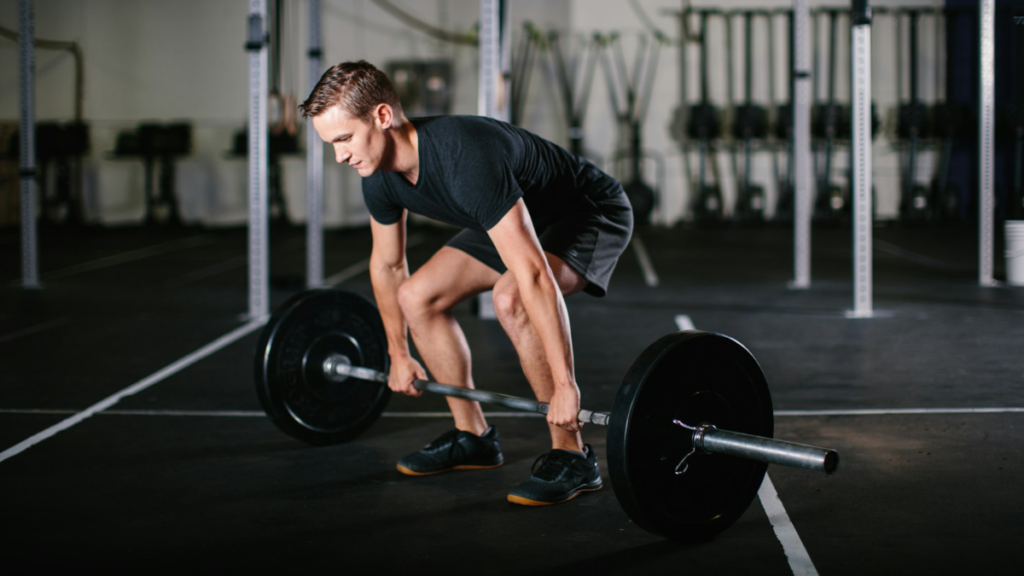
Dynamic warm ups before resistance training combined with dedicated post-workout static stretching offer a complete approach to mobility development.
How Fast Should You Be Able to Walk 1 Kilometer Based on Your Age?
Dynamic exercises such as leg swings and inchworms prepare the nervous system for movement ranges, while static holds targeting the hamstrings help elongate tissue fibers when the body is warm. Incorporating eccentric strength training, like Romanian deadlifts performed through a full pain-free range of motion, builds active flexibility and eccentric control simultaneously.
Key Takeaways
| Key Aspect | Essential Summary |
| Primary Assessment Goal | Measures combined flexibility across the hamstrings, lower back, and posterior chain. |
| Age and Sex Differences | Flexibility naturally declines with age, while women consistently score higher than men due to pelvic structure and tissue elasticity. |
| Standard Testing Protocol | Requires straight knees, a smooth exhale, stacked fingertips, and a static two-second hold at peak reach. |
| Improvement Timeline | Targeted hamstring and lower back mobility routines produce measurable reach improvements within four to eight weeks. |
References
- American College of Sports Medicine, 2021. ACSM’s Guidelines for Exercise Testing and Prescription. 11th ed. Philadelphia: Lippincott Williams & Wilkins.
- Baltaci, G., Un, N., Tunay, V., Besler, A. and Gerceker, S., 2003. Comparison of three different flexibility tests to measure hamstring muscle flexibility. The Journal of Sports Medicine and Physical Fitness, 43(1), pp.59-63.
- Mayorga-Vega, D., Merino-Marban, R. and Viciana, J., 2014. Criterion-related validity of sit-and-reach tests for estimating hamstring flexibility in children and adolescents: a meta-analysis. Journal of Sports Science & Medicine, 13(1), pp.14-23.
- Wells, K.F. and Dillon, E.K., 1952. The sit and reach: A test of back and leg flexibility. Research Quarterly. American Association for Health, Physical Education and Recreation, 23(1), pp.115-118.
