

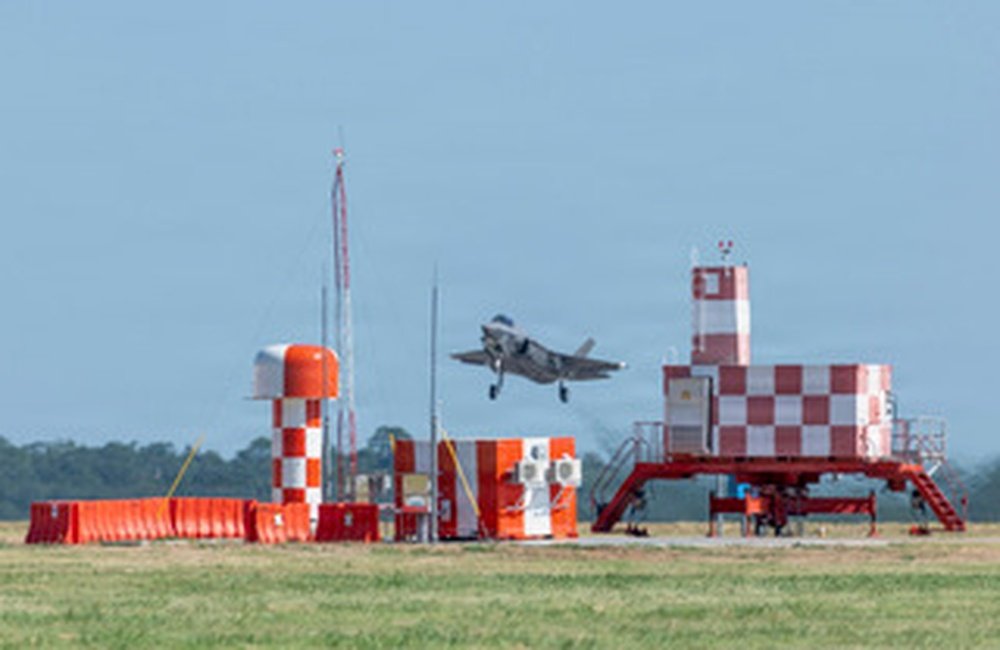
The AN/FPN-68A is a permanently installed radar system that acts as an eye in the sky for air traffic controllers, tracking an aircraft’s exact altitude, runway alignment, local weather and any nearby obstacles. This high-precision data allows controllers to guide pilots safely to the runway, even in poor visibility. The system supports safe landings for the wide variety of military aircraft operating at the joint base, including those from the Navy, Marine Corps, Air Force and Texas Air National Guard.
Senior Chief Petty Officer Timothy Wall, a key leader in the air traffic control modernization effort, highlighted the importance of the upgrade.
“The AN/FPN-63 entered service around 1978 and had long exceeded its intended service life,” Wall said. “As its analog parts became obsolete, maintenance grew increasingly difficult, which steadily reduced our system availability.”
The new radar shifts from outdated analog technology to advanced digital signal processing. This provides superior target tracking and reduced clutter, which is especially valuable during low-visibility conditions. Controllers now benefit from more stable and precise aircraft position data, enabling tighter guidance during final approaches in marginal weather, at night or in reduced visibility.
The AN/FPN-68A’s modular solid-state design also brings major maintainability improvements. Built-in diagnostics and commercially available components replace the legacy system’s hard-to-source parts and high maintenance burden.
“We are moving away from a high maintenance burden,” Wall noted. “This modern architecture drastically reduces our downtime and lowers long-term lifecycle costs.”
With higher system reliability, NAS JRB Fort Worth can sustain more consistent precision approach capabilities. This translates to fewer weather-related delays or cancellations for joint training missions, operational flights and emergency recoveries.
“Modernizing our air traffic control infrastructure with the AN/FPN-68A directly supports our joint mission and improves safety for all who fly here,” said NAS JRB Fort Worth Commanding Officer Capt. Beau Hufstetler. “This system will pay dividends for years to come in readiness and mission effectiveness.”
NAS JRB Fort Worth is the first and finest joint reserve base, known for training and equipping air crews and aviation ground support personnel, while supporting missions such as airlift, aerial refueling, and global mobility, making it an integral part of national defense infrastructure.
