

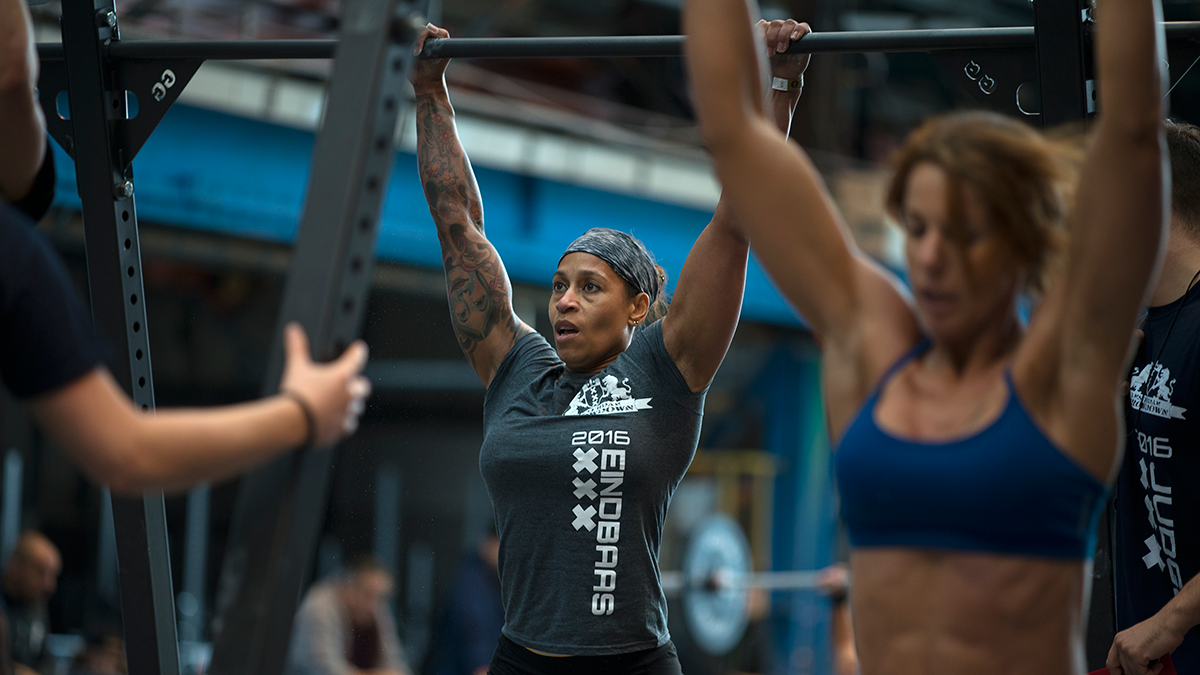
A dead hang looks simple. You hold a bar with straight arms, keep your body under control, and wait to see when your grip gives out. Yet the test can reveal far more than forearm endurance. It challenges your hands, wrists, upper back, shoulders, trunk, and ability to tolerate your own body weight.
It also gives you a useful answer to a question many people have after watching someone hold a bar for what seems like forever: how do I compare?
There is one important catch. There is no single international dead hang database that can accurately place every adult into a percentile by age and sex. Different tests use different bars, grips, rules, body positions, and time limits. Body mass also matters greatly. A lighter person with the same hand strength as a heavier person will usually find it easier to remain suspended.
That does not make the dead hang less valuable. It simply means you should treat it as a repeatable personal fitness test rather than a clinical diagnosis. Used consistently, it can show whether your grip, shoulder control, and upper body endurance are improving.
What Is a Dead Hang?
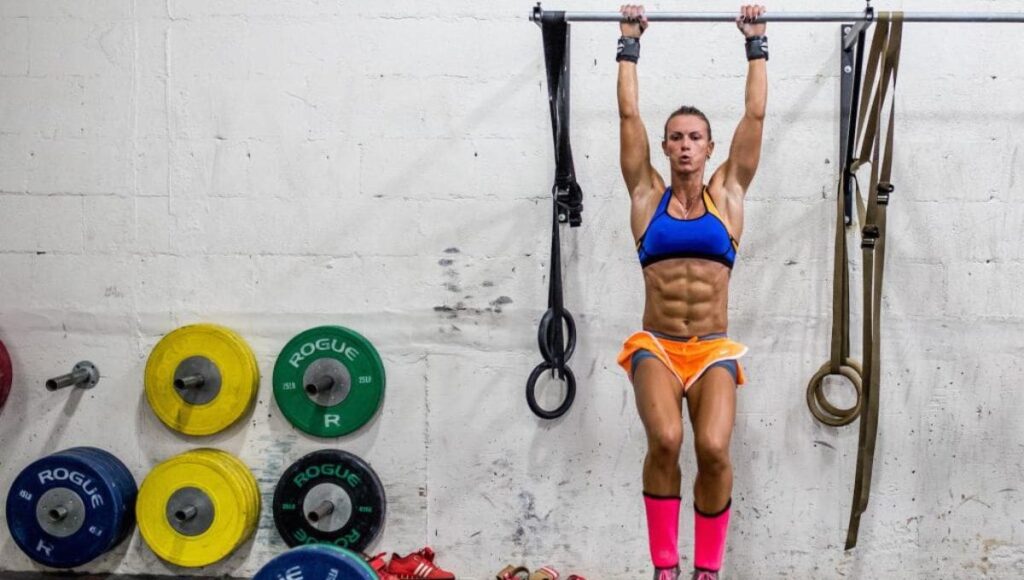
A dead hang is a timed hold from an overhead bar. Your hands grip the bar, your feet leave the floor, and your arms remain straight. The goal is to maintain the position without touching the ground, regripping, or bending the elbows to rest.
A strict dead hang is different from a pull up hold. You are not trying to keep the chin above the bar or flex the elbows. The main challenge comes from keeping the hands closed around the bar while the shoulders and trunk maintain a stable suspended position.
Grip strength is strongly associated with general physical function across adulthood. Research has also found that lower grip strength is associated with higher risk of disability, poorer mobility, and adverse health outcomes in large population studies. A dead hang is not the same as a hand dynamometer grip test, but both require the hand and forearm muscles to create and sustain force.
The dead hang also exposes a practical type of strength. You are moving and supporting your whole body rather than squeezing a stationary device. That makes it especially relevant for climbing, obstacle events, gymnastics, calisthenics, CrossFit, and anyone who wants stronger hands and more capable shoulders.
Why the Dead Hang Gets Hard So Quickly
Your fingers flex around the bar using muscles in the forearm. These muscles need a steady supply of oxygen while working continuously. As the hold continues, fatigue builds and your ability to maintain grip force falls. Sweat, a thick bar, and a slippery surface can make the challenge much harder.
Your shoulders also have work to do. In a relaxed hang, the shoulder blade may elevate naturally, but the muscles around the shoulder still need to tolerate the load. In a more active hang, you gently draw the shoulder blades down and create more muscular tension through the upper back.
Your body weight is another major factor. Relative strength matters. Someone who has developed excellent grip strength but carries substantially more total mass may still find a long hang demanding. This is why direct comparisons between people can be misleading unless their body size, training history, and test method are similar.
Hand size can influence the test too. A larger hand may find a standard bar easier to grip, while a smaller hand may have to work harder to keep the fingers closed. This does not mean smaller athletes cannot become excellent at hanging. It means that the dead hang should be interpreted alongside your own training progress rather than as a measure of worth.
How to Test Your Dead Hang Fairly
The most useful test is the one you can repeat under the same conditions. Use a stable pull up bar with a comfortable, dry surface. A standard overhand grip is easiest to compare across sessions. Place the hands roughly shoulder width apart and fully lift your feet from the floor.
Keep the elbows straight and avoid swinging your legs to create momentum. Your body does not have to be perfectly still, but excessive movement can make the hold easier or harder depending on how you use it. Stop the timer when both hands leave the bar, your feet touch the ground, or you bend your elbows to take a rest.
Do one brief warm up before testing. Spend a few minutes moving the wrists, shoulders, and upper back, then complete one easy hang well below your maximum. A cold, first attempt can make the test feel harder and may increase the chance of irritating the hands or shoulders.
Use the same bar, grip, footwear, and chalk rules each time. Chalk can improve friction and may improve performance, so it should either be used every time or avoided every time. Record the time, your body weight, and any useful notes, such as whether the bar was unusually thick or whether your hands were sore from training.
Dead Hang Benchmarks for Adults
These ranges are practical training benchmarks, not medically validated percentiles. They are most useful for healthy adults using a standard overhand grip, straight elbows, and a controlled body position. They should not be used to judge children, older adults with medical limitations, or people returning from a shoulder, elbow, wrist, or hand injury.
Men
| Dead Hang Benchmarks for Men | Strict hold time | General interpretation |
|---|---|---|
| New to hanging | Under 20 seconds | Grip and shoulder tolerance need development |
| Developing | 20 to 40 seconds | A useful foundation is being built |
| Good | 40 to 60 seconds | Solid relative grip endurance for general fitness |
| Very good | 60 to 90 seconds | Strong performance for most recreational trainees |
| Excellent | More than 90 seconds | High grip endurance and effective body weight control |
Women
| Dead Hang Benchmarks for Women | Strict hold time | General interpretation |
|---|---|---|
| New to hanging | Under 10 seconds | Grip and shoulder tolerance need development |
| Developing | 10 to 25 seconds | A useful foundation is being built |
| Good | 25 to 45 seconds | Solid relative grip endurance for general fitness |
| Very good | 45 to 75 seconds | Strong performance for most recreational trainees |
| Excellent | More than 75 seconds | High grip endurance and effective body weight control |
These benchmarks are not a reason to ignore context. A person with a history of climbing may hold far longer than someone who is strong in the gym but has never trained their grip. Conversely, an experienced lifter who is carrying fatigue from heavy deadlifts, rows, or pull ups may score lower than usual on a given day.
Age matters as well. Muscle strength, muscle mass, and physical function tend to decline with age unless they are supported by regular activity and resistance training. However, a lower score at an older age does not mean dead hangs are pointless. Maintaining the ability to support your body weight can be a meaningful long term goal, provided the shoulders and hands tolerate the exercise well.
What Your Time Can Tell You
A short hang is not proof that you are unfit. It may simply show that grip endurance is the limiting factor in your current training. Many people train the large muscles of the chest, back, and legs while doing little direct work for the hands and forearms.
If your hands fail first, your grip endurance is likely the main limitation. This is common when you can perform rows, pulldowns, or pull ups with straps but struggle to hold a bar for long without assistance. Improving your ability to hold loads can carry over to many forms of strength training, especially pulling exercises and loaded carries.
If the shoulders feel uncomfortable before the hands are tired, the issue may be mobility, joint irritation, poor tolerance to overhead loading, or simply a hang variation that is too demanding right now. A dead hang should create muscular effort and a stretching sensation for some people, but it should not cause sharp pain, tingling, numbness, or a sense that the shoulder is unstable.
If you can hang for a long time but cannot perform many pull ups, your pulling strength may be the limiting factor rather than grip endurance. The dead hang is a valuable base for pull ups, but it does not replace the strength and coordination needed to lift your body upward.
How to Improve Your Dead Hang Time
The simplest method is regular, submaximal practice. Instead of testing your limit every session, perform several controlled holds that finish before your grip completely fails. For example, if your maximum is 20 seconds, complete three to five sets of 10 to 15 seconds with enough rest to keep your technique controlled.
As you improve, add time gradually. A small increase of five seconds per set is meaningful. Training close to failure can be useful occasionally, but daily all out attempts can leave the hands, elbows, and shoulders irritated. Tendons and connective tissues often adapt more slowly than the muscles that produce force.
Loaded carries are another useful option. Farmer carries, suitcase carries, and trap bar carries challenge the hands while also training the trunk and lower body. Rows, pull ups, pulldowns, and deadlifts can support grip development too, especially when you use straps selectively rather than automatically.
An active hang may help you build more awareness around the shoulder blades. From the hanging position, gently pull the shoulders away from the ears without bending the elbows. Hold this position briefly, then return to a relaxed hang. Keep the movement small and controlled. If it causes pain, stop and choose a more comfortable exercise.
When to Be Careful
Dead hangs are demanding on the hands, shoulders, and elbows. People with a recent upper body injury, severe shoulder pain, nerve symptoms, or a condition affecting grip should seek individual advice from a qualified health professional before making them a regular exercise.
Start with partial body weight if a full hang is too difficult. Keep one or both feet on a box, bench, or floor while maintaining a firm grip. This lets you control how much load the hands and shoulders take. You can gradually shift more body weight into the bar as confidence and strength improve.
The goal is not to endure pain for the sake of a number. The goal is to build a stronger, more resilient upper body over time.
The Bottom Line
A dead hang is a straightforward challenge that tests grip endurance, shoulder tolerance, and relative upper body strength. You may not be able to find an exact ranking against every person your age, but you can create a reliable benchmark against your previous self.
For many adults, a controlled hang of 30 to 60 seconds is a strong general fitness target. Reaching 60 seconds or more shows very good grip endurance for recreational training, particularly when you can do it with a strict technique and without discomfort.
Test it consistently, train it patiently, and judge progress over months rather than one attempt. A longer dead hang is not only a number. It is evidence that your hands, shoulders, and upper body are becoming more capable.
Key Takeaways
| Key takeaway | What it means |
|---|---|
| The dead hang is a useful fitness test | It challenges grip endurance, shoulder tolerance, trunk control, and relative body weight strength |
| Exact peer rankings are limited | No single universal testing database accounts for all bars, grips, rules, ages, and body sizes |
| Consistency makes the test valuable | Use the same bar, grip, and rules to compare your scores accurately over time |
| A 30 to 60 second hang is a strong goal | It represents solid general grip endurance for many healthy adults |
| Progress should be gradual | Several controlled submaximal holds usually build capacity more safely than repeated all out attempts |
| Pain is a reason to modify the exercise | Use partial body weight support or seek professional guidance if hanging causes symptoms |
References
- Bohannon, R.W. (2019) ‘Grip strength: An indispensable biomarker for older adults’, Clinical Interventions in Aging, 14, pp. 1681 to 1691.
- Dodds, R.M., Syddall, H.E., Cooper, R., Benzeval, M., Deary, I.J., Dennison, E.M., Der, G., Gale, C.R., Inskip, H.M., Jagger, C., Kirkwood, T.B.L., Lawlor, D.A., Robinson, S.M., Starr, J.M., Steptoe, A., Tilling, K., Kuh, D., Cooper, C. and Sayer, A.A. (2014) ‘Grip strength across the life course: Normative data from twelve British studies’, PLoS ONE, 9, e113637.
- Leong, D.P., Teo, K.K., Rangarajan, S., Lopez Jaramillo, P., Avezum, A., Orlandini, A., Seron, P., Ahmed, S.H., Rosengren, A., Kelishadi, R., Rahman, O., Swaminathan, S., Iqbal, R., Gupta, R., Lear, S.A., Oguz, A., Yusoff, K., Zatonska, K., Chifamba, J., Igumbor, E., Mohan, V., Kumar, R., Yusuf, R., Szuba, A., Khatib, R., Yasin, Y., Karsidag, K., Ozbay, B., Temizhan, A., Gulec, S., Li, W., Yusufali, A., Kruger, A., Tsolekile, L., Chonchol, M., Mony, P., Vijayakumar, K., Mohan, D., Winkelmann, B.R., Bo, H., Wang, Y., Gao, N., Dans, A.L., McQueen, M.J., Budaj, A., Pais, P., Zhu, J., Hao, Z., Zatonski, W., Kozlovskaya, L., Shlyakhto, E., Zimmet, P., Avezum, A., Altuntas, Y., Rosengren, A., Puoane, T., Diaz, R., Islam, S., Anand, S.S. and Yusuf, S. (2015) ‘Prognostic value of grip strength: Findings from the Prospective Urban Rural Epidemiology study’, The Lancet, 386, pp. 266 to 273.
- Rantanen, T., Harris, T., Leveille, S.G., Visser, M., Foley, D., Masaki, K. and Guralnik, J.M. (2000) ‘Muscle strength and body mass index as long term predictors of mortality in initially healthy men’, The Journals of Gerontology Series A: Biological Sciences and Medical Sciences, 55, pp. M168 to M173.
- Sayer, A.A., Syddall, H.E., Martin, H.J., Dennison, E.M., Anderson, F.H. and Cooper, C. (2006) ‘Is grip strength associated with health related quality of life? Findings from the Hertfordshire Cohort Study’, Age and Ageing, 35, pp. 409 to 415.
- Shephard, R.J. (1999) ‘Aging and exercise: Theories of adaptation to the stress of physical work’, Physical Therapy Reviews, 4, pp. 151 to 168.
- Steiber, N. (2016) ‘Strong or weak handgrip? Normative reference values for the German population across the life course stratified by sex, age, and body height’, PLoS ONE, 11, e0163917.
- Watanabe, K., Tanimoto, M., Oba, N., Sanada, K., Miyachi, M. and Ishii, N. (2013) ‘Effect of resistance training using bodyweight in the elderly: Comparison of resistance exercise movement between slow and normal speed movement’, Geriatrics and Gerontology International, 15, pp. 127 to 133.
