

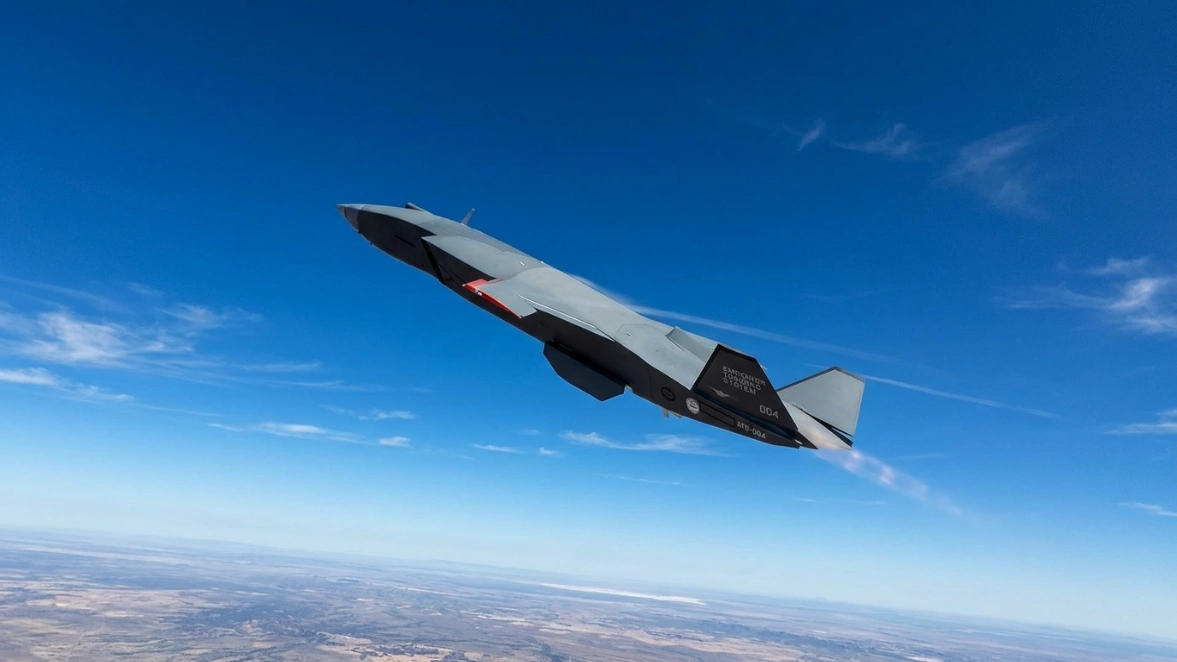
Defense Feeds – St. Louis. The Australia’s Ghost Bat Drone Begins U.S. Flight Testing milestone marks a significant step forward for one of the world’s most closely watched autonomous combat aircraft programs as the MQ-28 expands its operational testing beyond Australia for the first time.
Developed by Boeing Defense Australia in partnership with the Royal Australian Air Force, the MQ-28 Ghost Bat has successfully completed its first operational flights in the United States. The achievement represents an important phase in the aircraft’s development as Australia and the United States deepen cooperation on next-generation air combat technologies.
The Ghost Bat is designed as a collaborative combat aircraft capable of operating alongside crewed fighter jets, performing missions such as reconnaissance, electronic warfare, intelligence gathering and strike support. Military planners increasingly view autonomous wingman platforms as a critical component of future air warfare, particularly in highly contested environments where risks to human pilots are growing.
The U.S. flight campaign is expected to provide valuable data as both nations explore how autonomous systems can be integrated into future combat operations.
MQ-28 Expands International Testing Program
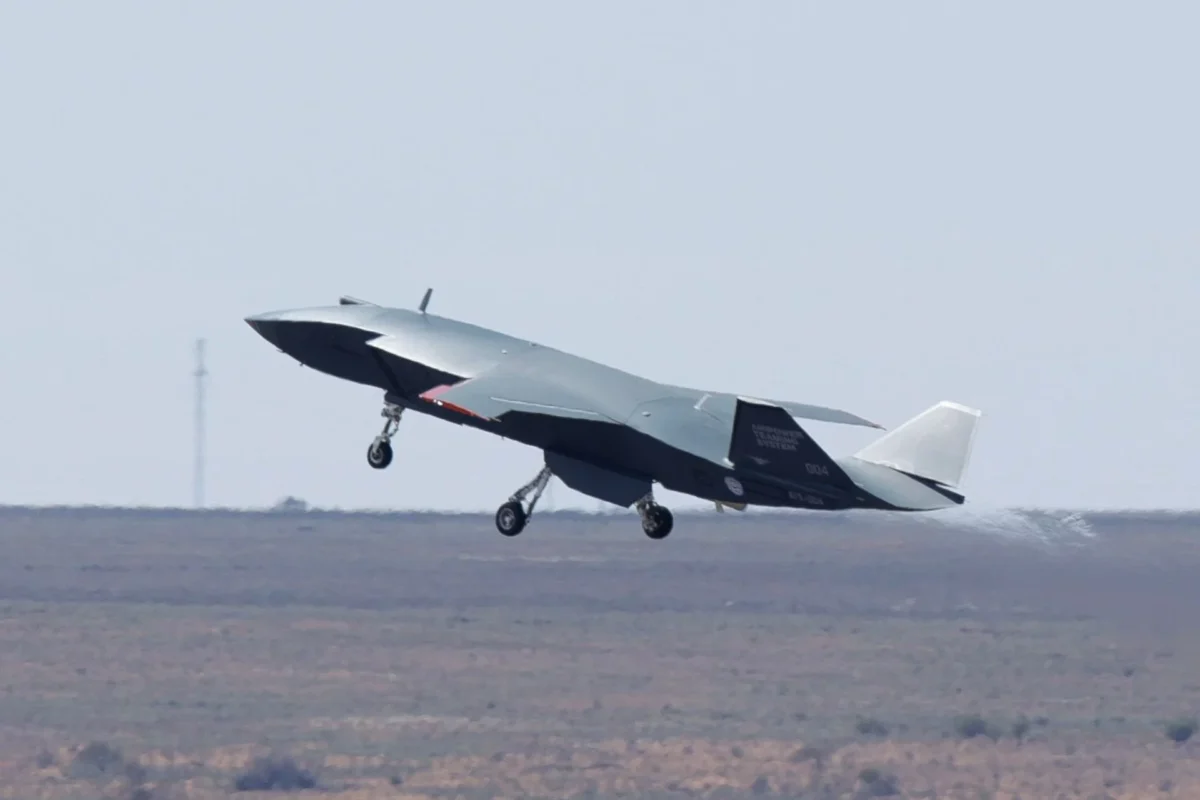
The successful flights in the United States mark the first time the Ghost Bat has conducted operational testing outside Australia, highlighting the program’s growing strategic importance among allied air forces.
Originally launched as the Airpower Teaming System, the MQ-28 was developed to support manned-unmanned teaming concepts where autonomous aircraft work alongside fighter jets to extend mission capabilities and reduce operational risk. The aircraft can serve as a force multiplier by carrying sensors, gathering intelligence or performing high-risk tasks that might otherwise place pilots in danger.
Defense analysts view the Ghost Bat as one of the most advanced collaborative combat aircraft currently under development outside the United States. Its modular architecture allows the platform to be adapted for different mission profiles, providing flexibility for future operational requirements.
The move to conduct testing in America reflects increasing collaboration between Australian and U.S. defense programs focused on autonomous aviation technologies. Both countries are investing heavily in next-generation air combat systems as they prepare for future conflicts that are expected to involve greater reliance on artificial intelligence and unmanned platforms.
The latest flight tests will help evaluate how the aircraft performs in different operational environments while supporting ongoing development efforts aimed at refining mission systems and autonomous capabilities.
Autonomous Wingmen Reshape Future Air Combat
The growing interest in collaborative combat aircraft stems from changing realities in modern aerial warfare.
Air forces around the world face increasingly sophisticated threats including advanced air defense networks, long-range missiles and electronic warfare systems. Sending manned aircraft into heavily defended airspace carries significant risks, prompting military planners to explore ways autonomous systems can share the burden.
The MQ-28 was specifically designed to address that challenge. By operating alongside fighter aircraft, autonomous drones can perform reconnaissance missions, extend sensor coverage and potentially carry additional weapons or electronic warfare payloads.
The concept is gaining momentum globally. The United States is advancing its own Collaborative Combat Aircraft program, while several allied nations are pursuing similar initiatives aimed at integrating autonomous systems into future air force structures.
Military experts believe future air operations may involve teams of crewed fighters supported by multiple autonomous aircraft working together through
