

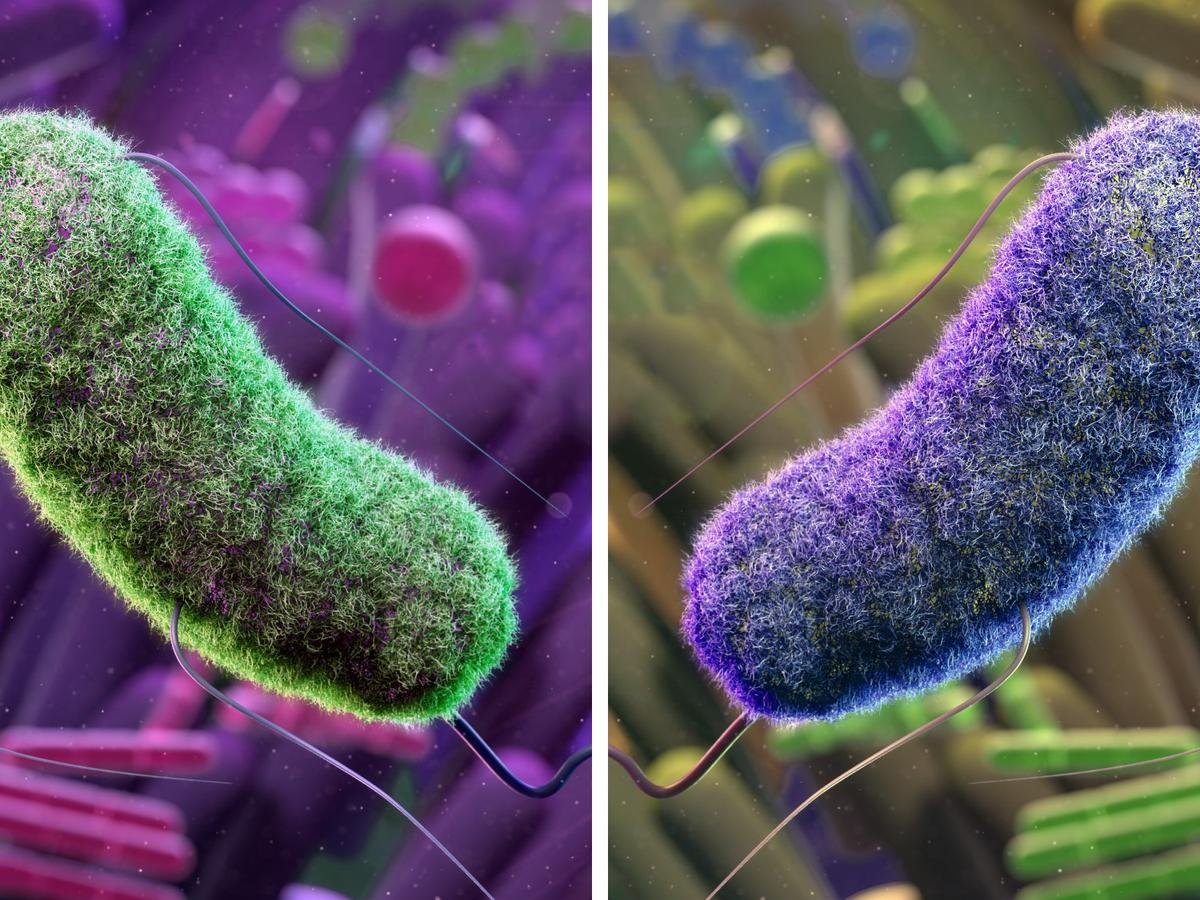
Mirror life is a hypothetical form of life built from biomolecules with the opposite chirality—or molecular orientation—of those used by all known life on earth. Although mirror life does not yet exist, scientific advances have produced mirror-image biomolecules and components that could serve as the building blocks of mirror organisms, and some laboratories have articulated the goal of constructing a viable mirror cell. Experts estimate that mirror life could become a reality within the next few decades.
The reversed molecular orientation of mirror life could enable mirror bacteria to escape immune detection and cause fatal infections, resist degradation, avoid natural predators, and proliferate throughout natural ecosystems. Even a small initial population of mirror organisms could potentially spread widely, causing irreversible biological disruption.
The authors develop a comprehensive, preventive strategy to address the risks posed by the creation of mirror life before scientific progress or geopolitical incentives close the window for meaningful action. They take seriously the expert assessment that mirror life could expose much of the earth’s biosphere to unacceptable risks, and they treat this possibility as sufficient motivation for strategic planning now.
This publication is part of the RAND research report series. Research reports present research findings and objective analysis that address the challenges facing the public and private sectors. All RAND research reports undergo rigorous peer review to ensure high standards for research quality and objectivity.
This document and trademark(s) contained herein are protected by law. This representation of RAND intellectual property is provided for noncommercial use only. Unauthorized posting of this publication online is prohibited; linking directly to this product page is encouraged. Permission is required from RAND to reproduce, or reuse in another form, any of its research documents for commercial purposes. For information on reprint and reuse permissions, please visit www.rand.org/pubs/permissions.
RAND is a nonprofit institution that helps improve policy and decisionmaking through research and analysis. RAND’s publications do not necessarily reflect the opinions of its research clients and sponsors.
