

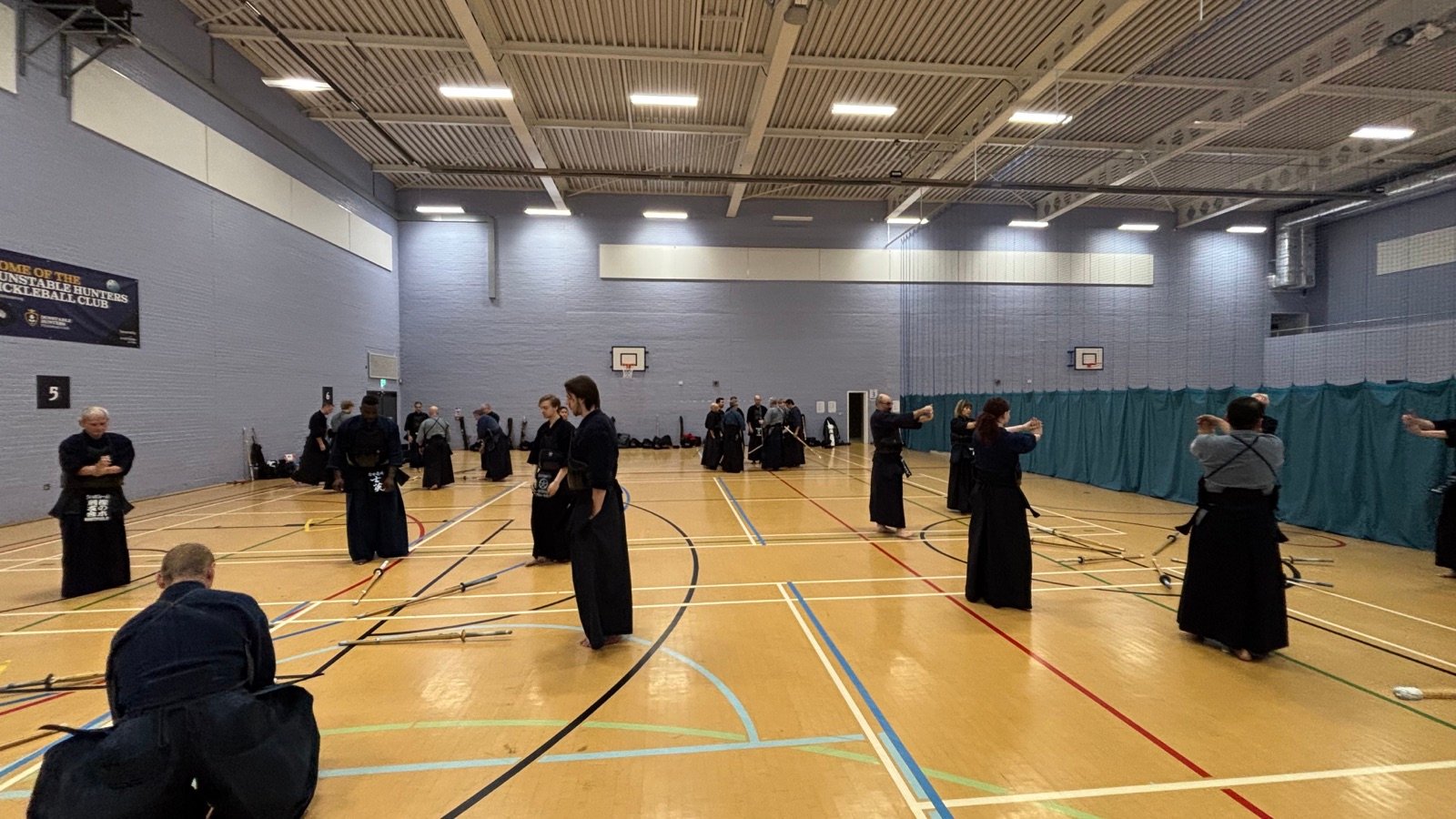
The 36th Kodokan Kendo Seminar was my third visit, but this year was different. Both Sumi Masatake Sensei and Paul Budden Sensei were not there anymore. I was never able to meet Sumi sensei unfortunately but if it was not for Paul sensei, I would not have been there at all.
I returned to Britain to help with the seminar and to continue learning. I also wanted to remember these two teachers and thank the people carrying on their work.
The seminar took place at the Dunstable Centre from 23 to 25 October 2026. Kodokan organised it in memory of Sumi Sensei and as an opportunity to remember Paul Sensei and their long friendship. Kodokan’s seminar announcement
Before talking about my experience, I want to thank Kazuyo Sensei and everyone at Kodokan. Organising a seminar takes a great deal of work. This time, they were doing that work after losing two people who had meant so much to them. I am grateful that they made it possible for us to come together, practise and learn.
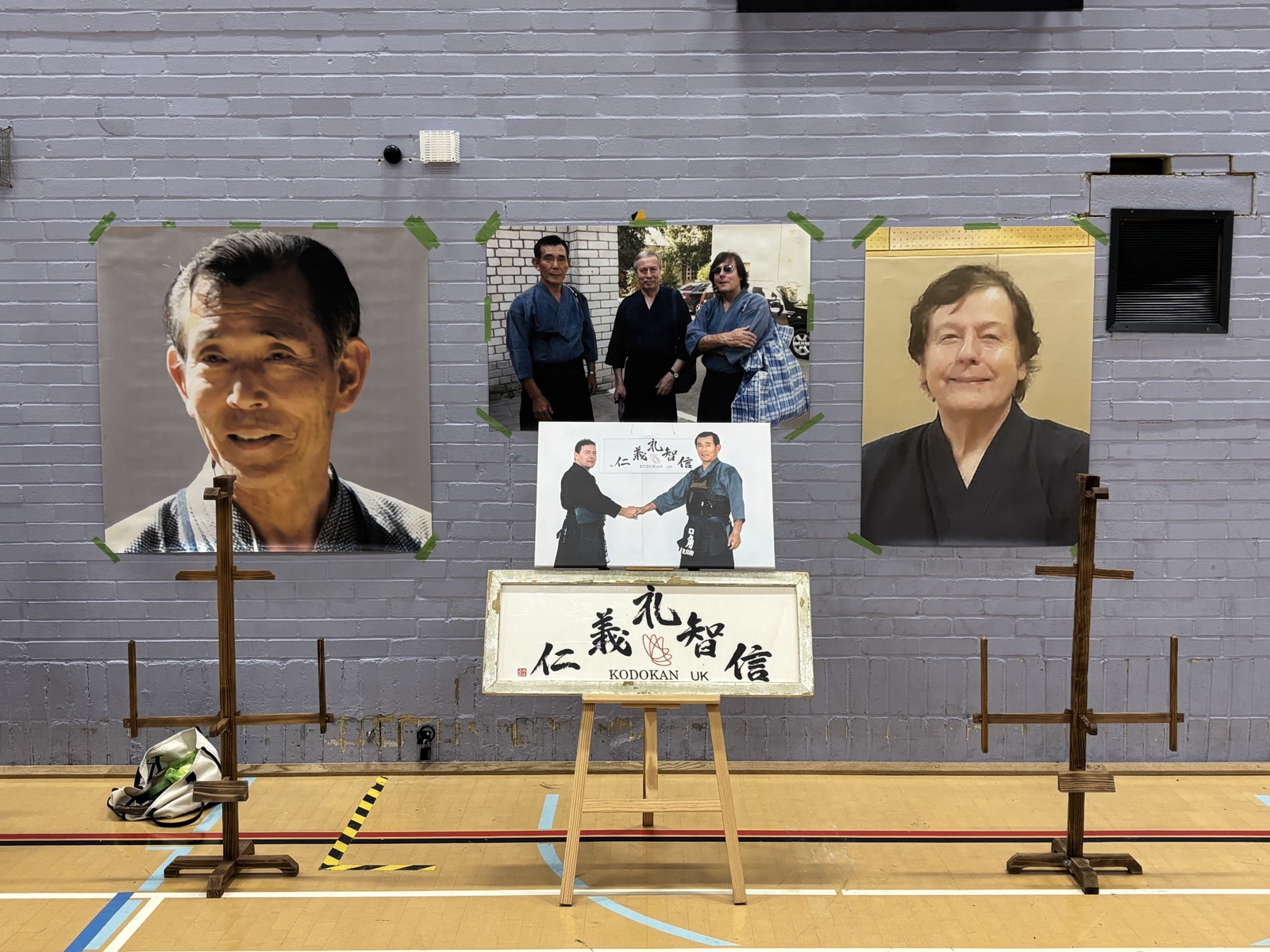 A tribute to Sumi Sensei and Paul Sensei at the seminar.
Three visits, and a teacher I hoped to meet
I first attended the seminar in 2022. My main reason for going was to learn directly from Sumi Sensei. Paul sensei talked about the seminar and of course I wanted to participate in it. Unfortunately, he could not attend because of his health, and I did not have that opportunity.
But I had much to learn from Paul Sensei and Kazuyo Sensei. Through their teaching, I began to experience Sumi Sensei’s approach to practice, both with the shinai and through bokuto practice.
I returned in 2025. I had heard that Sumi Sensei’s health had improved, and I hoped that this time I would finally be able to learn from him in person. Shortly before the seminar, however, I learned that he would not be able to come.
Paul Sensei kindly told me that I did not need to make the journey if Sumi Sensei’s absence changed my plans. I decided to go anyway. I wanted to help with the seminar and continue learning from Paul Sensei and Kazuyo Sensei.
During that visit, Paul Sensei mentioned that he was not feeling particularly well. I did not know that it would be my last opportunity to spend time with him.
Sumi Sensei passed away on 4 February 2026. Paul Sensei passed away on 9 March. Those dates are recorded by Fine Ladies Kendo Worldwide, which both teachers had supported. Sumi Sensei’s memorial notice, Paul Sensei’s obituary notice
For this year’s seminar, I was there to support. Returning meant more than taking on an instructional role. I was coming back to a place where I had learned from Paul Sensei, knowing that he would no longer be there.
After three visits, I had still never had the chance to study directly with Sumi Sensei at the seminar. Yet his teaching still lives on in this seminar.
The method and its purpose
The training approach we call Sumi-ryu gives us a structured way to learn Kendo movements. We repeat exercises and build them step by step, paying attention to how we use our feet and body. The practice also connects shinai Kendo with Kendo Kata.
In my report on the 2025 seminar, I described how one familiar Men strike could develop through several variations. That gradual progression helped me appreciate how carefully the teaching had been considered. It gave us a way to work on movement rather than simply repeat it without knowing what we were trying to improve.
But Kazuyo Sensei emphasised something important this year: Sumi-ryu is a method. It is not the ultimate objective of Kendo.
We can learn an exercise and become more comfortable performing it. We can remember the order and improve our coordination. Those things matter. But knowing the exercise does not mean that we have understood everything it is meant to teach us.
What do we do with what we have learned? How does it change our Kendo? And how does practising Kendo change us?
Those questions stayed with me as I thought about the teachers we were remembering.
The Sayonara Party
Every year, the Sayonara party has a different theme, and people dress up for it. The visiting Japanese sensei enjoyed it too. They would put on costumes and join everyone else. This year’s theme was Harlequin.
I never had the chance to meet Sumi Sensei. I would have loved to learn from him in the dojo, of course. But can you imagine seeing him dressed as a Harlequin? I would have felt honoured to share that evening with him. And I think it would have been a lot of fun!
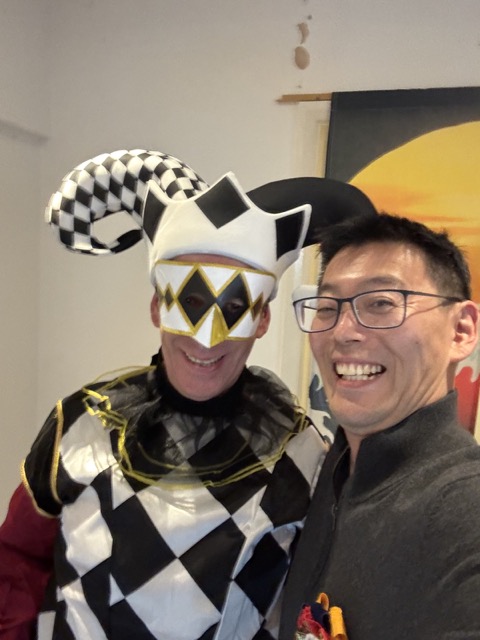 This year’s Sayonara party theme was Harlequin.
A message I recognised
At the Sayonara party, we watched a commemorative video that Kazuyo Sensei had prepared. It looked back over the history of Kodokan and included Sumi Sensei speaking about his hopes for the dojo.
I am recalling the meaning here, rather than quoting his exact words. The message I took from it was that producing competitors to represent Britain was not his main aim. He wanted Kodokan to develop people with good character and kindness, who understood Kendo deeply.
That was particularly meaningful to me because it was close to what I had learned from my own teacher.
Winning a match matters to the person taking part. We work hard to improve our techniques, and we should take that work seriously. But a competition result cannot tell us everything about what a person has learned through Kendo.
We can see a strike. We can see footwork, posture and the movements we repeat. These are the tangible parts of practice.
The mind and character we develop through practice are less visible, but they are central to why we practise. My teacher, Miyazaki Masayoshi Sensei, taught me that in kendo we use something tangible, the shinai, to cultivate something intangible, the mind.
We use physical training to work on ourselves. The movement gives us something concrete to practise, examine and improve. Through that process, we also have to consider how we think and how we conduct ourselves.
A strike lands, or it does not. That is a result. It does not answer the whole question of what we are developing through the effort to make that strike correctly.
This is why the physical work remains important to me. The deeper purpose of Kendo does not remove the need to improve our Kendo. It gives that work a reason beyond the immediate result.
What Paul Sensei reminded me to teach
Paul Sensei cared deeply about kihon. That was something we shared, and something he also reminded me to keep at the centre of my teaching.
In my earlier tribute to him, I recalled a question about competition from a kyu-level practitioner during a YouTube collaboration. We had all offered answers. Afterwards, Paul Sensei pointed out that none of us had simply told the learner to concentrate on the basics.
I am paraphrasing that conversation too. What stayed with me was the reminder that, as teachers, we must say what the student most needs to hear. I had to reflect on whether I had made the importance of kihon clear enough.
His generosity extended beyond the dojo. During my visits, he gave me his time, took me to different places and talked with me about their history. I learned from his knowledge, but I also appreciated the care he showed me.
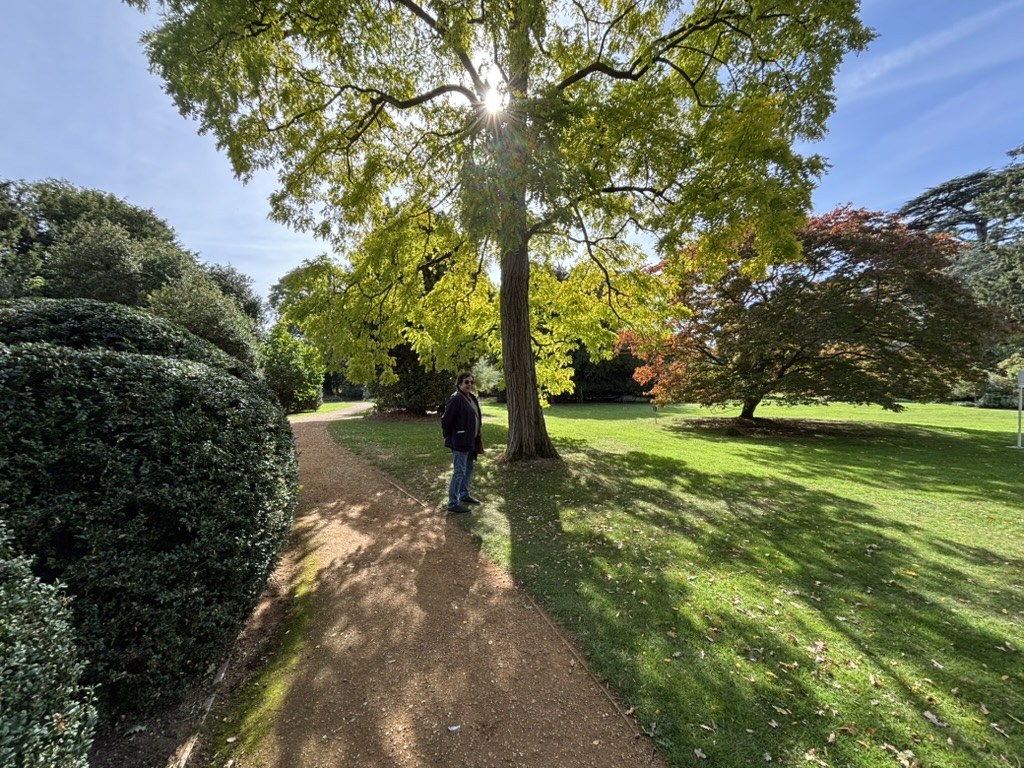 Paul Sensei took me to the Swiss Garden at Shuttleworth.
He continued studying his own Kendo while helping others understand it. He wanted to communicate the art and the thinking behind it. That is what I respected about him, and why I wanted to keep learning from him.
Continuing to learn
This year, I felt grateful to be able to learn from Kazuyo Sensei and to support the seminar. Her work, together with the Kodokan members, allowed that learning to continue.
For me, carrying these teachings forward means continuing to study the methods while asking what they are for. We need the movements and exercises. We also need to understand the principles behind them and consider how we pass them on to others.
I never had the opportunity I hoped for with Sumi Sensei. There were also many more things I wanted to ask Paul Sensei. I cannot have those conversations now, but I can continue learning from what they shared and from the people who studied with them.
Thank you to Kazuyo Sensei and everyone at Kodokan for welcoming me and making this seminar possible. And thank you to Sumi Sensei and Paul Sensei for the teaching that brought us together.
I said this to the Kodokan members and to those of you who came to the seminar and learned from Sumi Sensei and Paul Sensei. I want to say it to you again here. It’s up to you to carry their teachings forward and pass them on to the next generation. I look forward to learning from you!
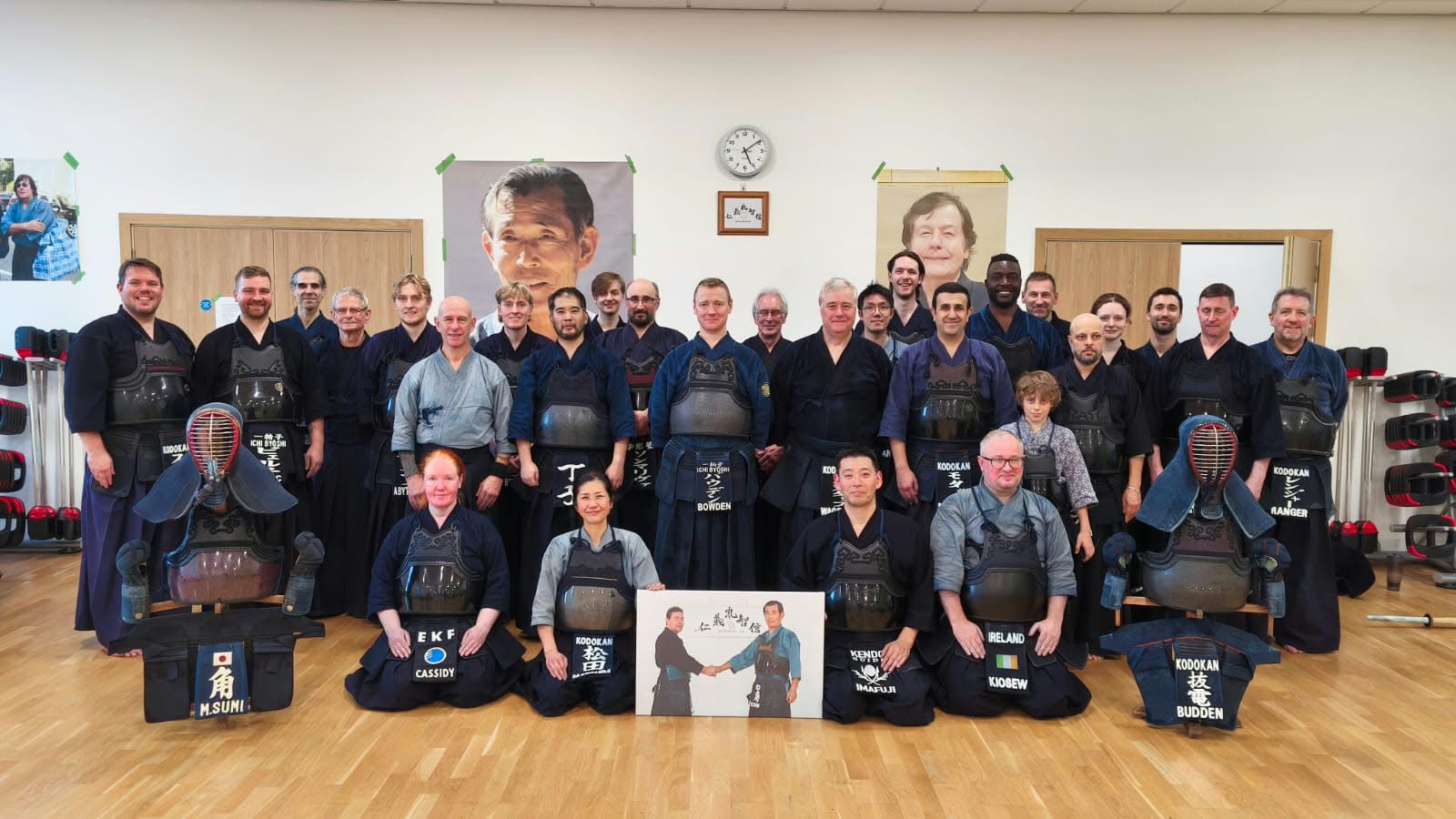 Sumi Sensei and Paul Sensei, your legacy will live on through us.
