

October 09, 2026
General Micro Systems (GMS) is unveiling new MOSA [modular open systems approach] technologies at AUSA 2026 designed to help get advanced computing capabilities to the battlefield faster than ever before. The company’s latest rugged systems address a growing defense challenge: adding AI, autonomy, processing, networking, and security to military platforms without lengthy redesigns or excessive increases in size, weight, power and complexity…or cost (SWaP-C).
Leading the introductions is the new X10 GENESIS, three 3-slot OpenVPX small form factor system that bring additional high-performance computing to SWaP-constrained platforms. The X10 GENESIS Mission Computer packs 8- or 20-core Intel Xeon® processing, high-speed networking, and modular expansion for AI/GPGPU, storage and other mission-specific functions into an 11-pound system. Designed for MOSA requirements and aligned with the Sensor Open Systems Architecture, or SOSA, Technical Standard, it provides a modular path for adding and upgrading capabilities.
The X10 GENESIS Cross Domain System combines two fully isolated Red and Black computing domains with an NSA-certified cross-domain solution (CDS) in an 11-pound package, bringing secure multi-domain processing to airborne systems, small UAVs, and portable tactical applications.
The third X10 GENESIS system is the mission processor with an intelligent multi-port Ethernet switch and IEEE 1588 grandmaster timing. One or two single board computer processors is paired with an enterprise-class Ethernet switch to provide 25 total ports (100/10/1 Gig speeds) in copper or fiber. Layer 2/3 routing is supported, as is A-PNT and PTP nanosecond-accurate network and system timing.
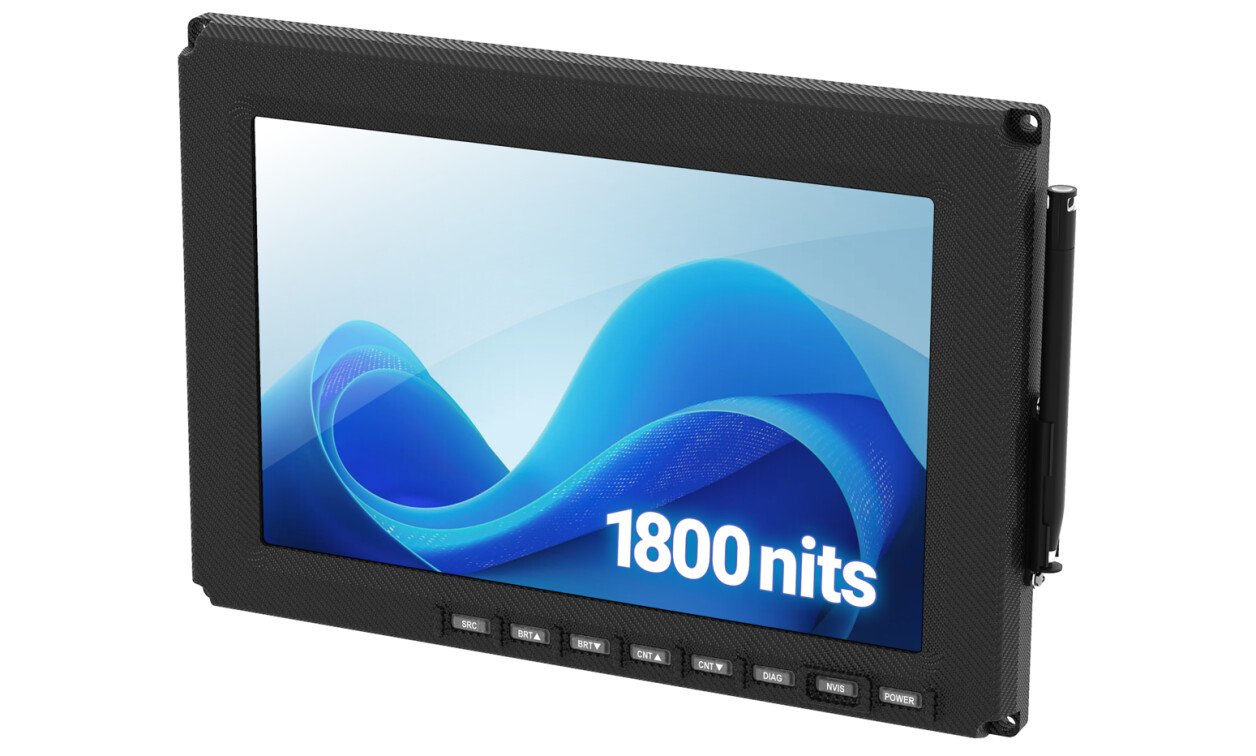
GMS will also introduce the HD12WL, a 12-inch avionics/vetronics-ready smart display that turns a traditionally passive display into an active tactical computing node. The system combines an ultra-bright 1,800-nit display with onboard quad-core processing, graphics, and I/O. Integrating computing directly into the display can eliminate a separate mission computer in some applications, reducing SWaP and cabling.
GMS will also feature its new Expansion family of MOSA-compliant smart peripheral modules that provide a plug-and-play approach to upgrading both legacy and new platforms. Originally developed for GMS’ X9 Spider open architecture, Expansion modules can now operate as standalone subsystems, using open interfaces including Thunderbolt 3/4/5, USB 3/4 and 1/10/100 Gigabit Ethernet. Individual modules can add AI and autonomous mission processing, networking, secure removable storage, cross-domain security and encryption, modular I/O, power conditioning, and thermal management without replacing the host computer or extensively redesigning the platform.
Together, GMS’ AUSA introductions provide new ways to insert, expand and upgrade mission capability without waiting for the next platform redesign.
For more information, visit GMS in booth 4339 or visiting the website here.
Featured Companies

