

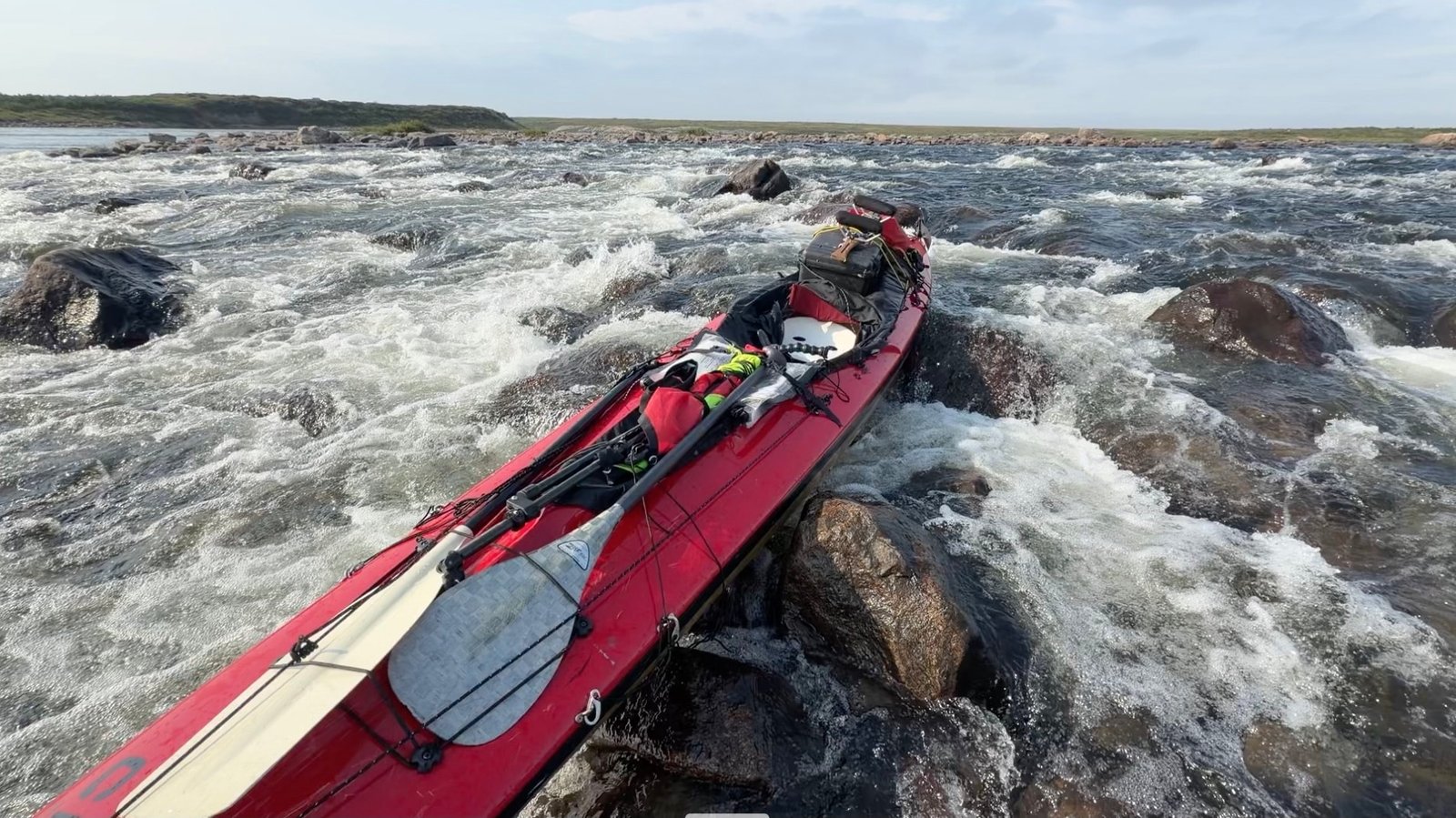
So I recently completed an exploration of an exploration of a very remote river in Arctic Canada, about 1/3 of which had been travelled by a missionary and described in an account from the 1800’s.
I travelled on two different river systems and do an overland portage just to get to the starting point. The whole thing was about 800 km (500 miles), and involved many class V and VI rapids in the form of gorges, flumes, rapids and waterfalls.
The whole trip took 30 days and I didn’t see anyone at all – not even a bush plane – for 26 of those days in a row but I did see caribou, Arctic wolf and wolverine. So it was pretty remote.
(Here’s a playlist of videos I made during that trip).
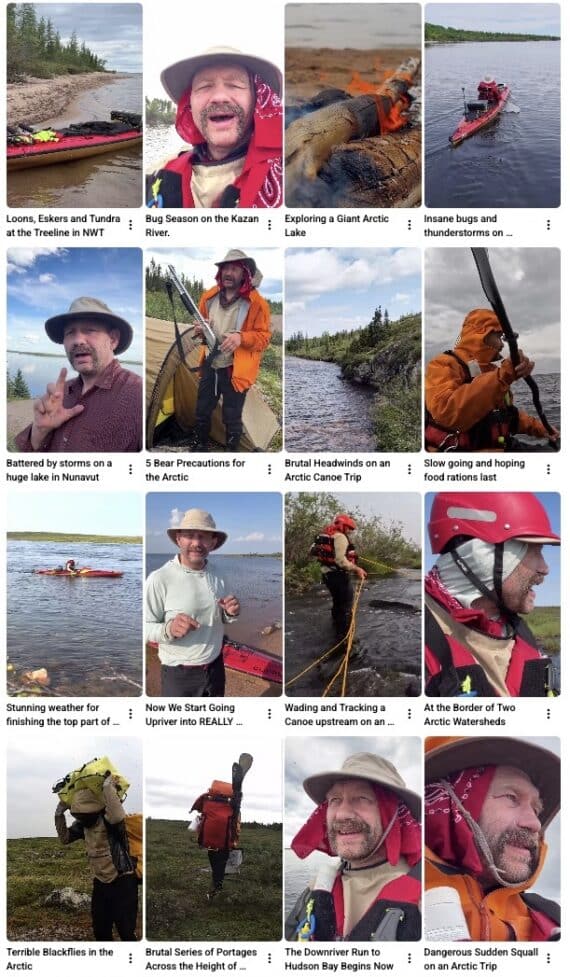
2026 solo expedition playlist
Superficially jiu-jitsu and wilderness adventure have very little in common – what does setting a tent up in polar bear country have to do with choking someone in half guard – but here’s the thing…
I think that this trip would have been impossible without my jiu-jitsu training, especially as I progress through my fifties.
That’s because decades of jiu-jitsu training built the attributes neccesary for the successful completion of a gut-bustingly difficult adventure.
I break this down into three general categories:
1, Problem Solving Under Pressure. Jiu-jitsus is the art of dealing with one problem after another while under tremendous physical and emotional stress.
He’s trying to sweep me… Oh crap, that’s the start of a leglock attack… How the hell do I get out of this crucifix now… What do I do to pass lasso spider guard again? and so on.
Eventually you learn that panicking on the mat is very rarely the answer, and that staying calm, coming up with a plan, and then following the steps for that plan is almost always the answer.
Same in the wilderness. When I was paddling through 6 foot tall waves breaking over the bow of my canoe to reach the pickup boat on the last day the answer was NOT panic, but instead doing continuous risk-reward evaluation for continuing vs turning around, and then trying to find the dryest and fastest route through the boat swamping waves,
Remaining rational under pressure is a very transferrable skill that jiu-jitsu sharpened for me and I was able to deploy many times on this adventure.
2, Physical Fitness.
Jiu-jitsu is good for physical fitness in two ways.
Most directly, the activity itself is strenuous and builds strength and endurance. That’s pretty obvious.
Indirectly, jiu-jitsu tends to encourage people to do other physical fitness activities as well, if for no other reason than to give them an edge the sport and prolong their careers on the mat. That’s why so many grapplers also lift weights, do cardio, stretch, go to physio, and try to eat healthy,
Clearly this fitness and the associated lifestyle decisions will have large benefits for anything else physical you pursue in your life including if you decide to start paddling canoes for 8 to 12 hours a day against relentless headwinds for fun.
3, Emotional Resilience.
How many times have squared off against your nemesis who almost almost beats you but still give it your all? Or how often have you scraped yourself off the mat after a really hard training session, only to come back the next day?
Each time you did that – exerted yourself despite the apparent futility of it all – you built just a little more grit, determination and perseverance.
There were days on this last trip where I wanted to stay cocooned in my sleeping bag all day, just lying there until my arms stopped throbbing and my energy came back. There were times that the perfect campsite was calling to me but if I stopped then I would lose valuable paddling time and risk running out of food at the end of the trip.
(As it was, it was pretty touch and go. I brought 28 days of food and the trip took 2 days more than that!)
The thousands upon thousands of rounds of sparring I’ve done were an investment that paid off in those moments of temptation. Instead of packing it in I was able to force myself into action and push just a little longer and a little further.
Jiu-jitsu training gives you results that you can apply in areas very, very different from jiu-jitsu!
Stephan Kesting
