

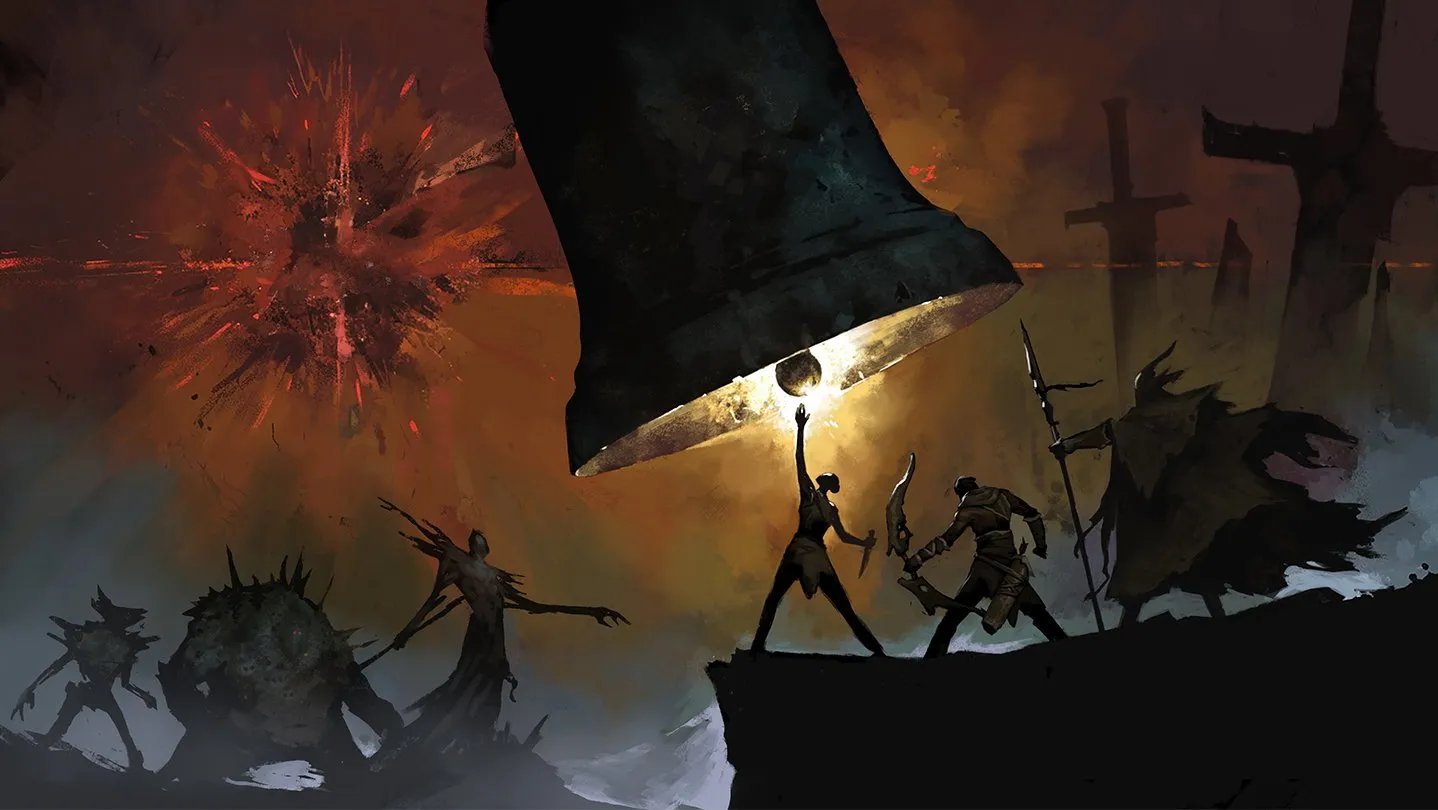
Fardust’s dark fantasy deckbuilder trims its roster and introduces a punishing new revival penalty ahead of its Steam launch.
After two months of relative silence, Fardust has returned with a firm launch date for Shards of Order. The dark fantasy deckbuilding, which I defined as “Dark Souls Trapped Inside a Deckbuilding RPG,” will arrive on PC on July 28, 2026, alongside several substantial changes shaped by demo feedback and internal playtesting.
The latest development update covers more than the release date. It introduces a harsher revival system, a revised redraw economy, faster combat sequencing, and a smaller permanent party built around the Exile, the Soldier, and the Scholar.
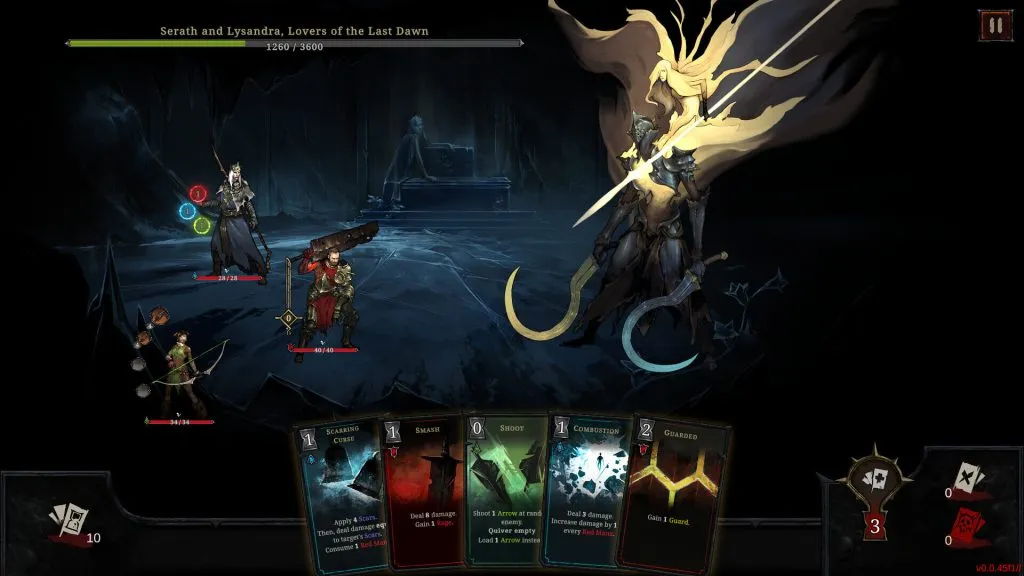
The dark fantasy RPG mixes party progression with deckbuilding and a combat system built around time.
Enemies act when their visible countdown reaches zero, while every card played advances those timers according to its cost. There are no conventional combat rounds or mana points to manage. The three party members draw from a single deck, which means each new card affects the options available to the entire group.
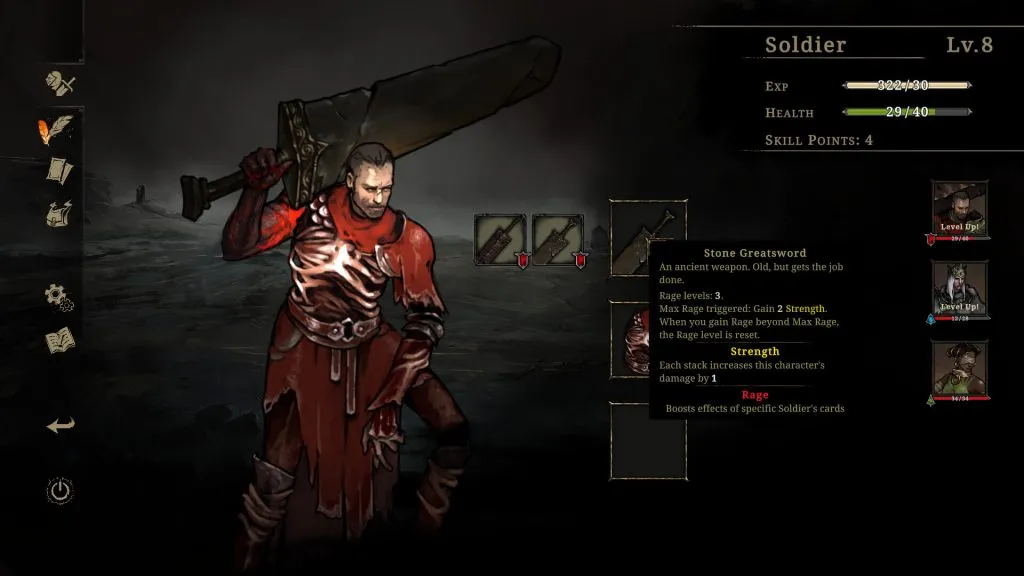
Weapons and armor can also add unique cards, tying equipment choices directly to deck composition.
One of the largest additions revealed in the update is the Fracture system. Fardust found that players were treating character deaths too casually during the demo. Reviving a party member carried few lasting consequences, which became a problem when the same behavior was repeated across a longer sequence of encounters.
Revival will now add one Fracture stack to the party. Each stack causes every redraw to deal six damage to all three characters.
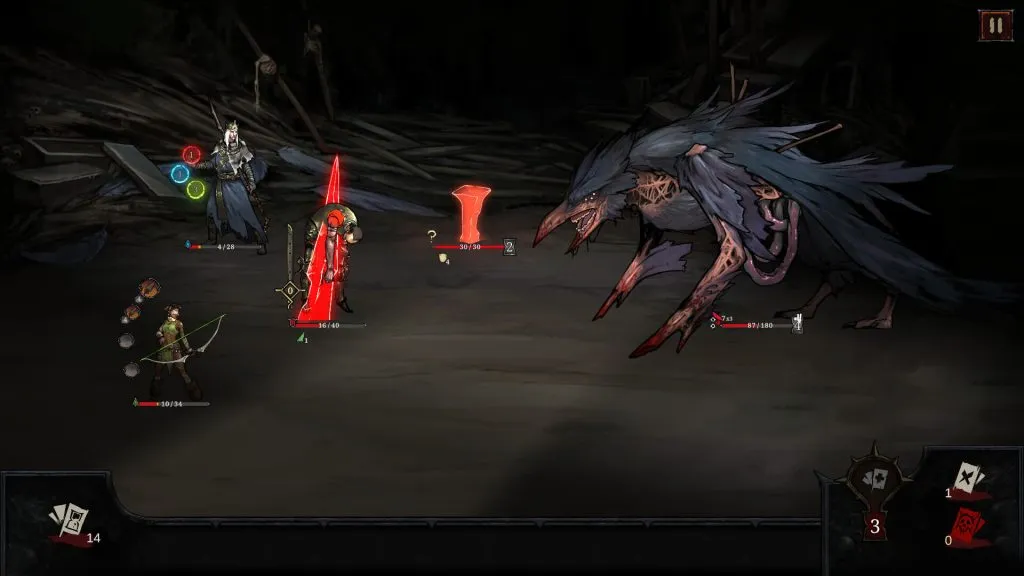
Fractures can accumulate up to three times, raising the penalty to 18 damage per party member whenever the player cycles the hand.
Bringing a hero back may save the current fight, but repeated redraws can quickly become a real problem for the run. Unused revive cards can also remain in the shared deck and interfere with damage, defense, or support draws.
In the demo, drawing a new hand initially cost three units of time, with that cost falling whenever a card was played. This gave inexpensive cards a strong advantage because players could fill their decks with low-cost actions and reach another hand before enemies had many opportunities to respond.
The new system raises the redraw timer to four and links its reduction to the amount of time that actually passes.
A card with a cost of three removes three points from the redraw timer, giving heavier cards more value within the combat economy. Repositioning a character costs one unit of time and also contributes toward the next redraw.
Movement can therefore serve several purposes, from avoiding an incoming attack to activating a passive ability or moving closer to a fresh hand.
Fardust has also reduced the permanent playable roster from five characters to three. The final party will consist of the Exile, the Soldier, and the Scholar.
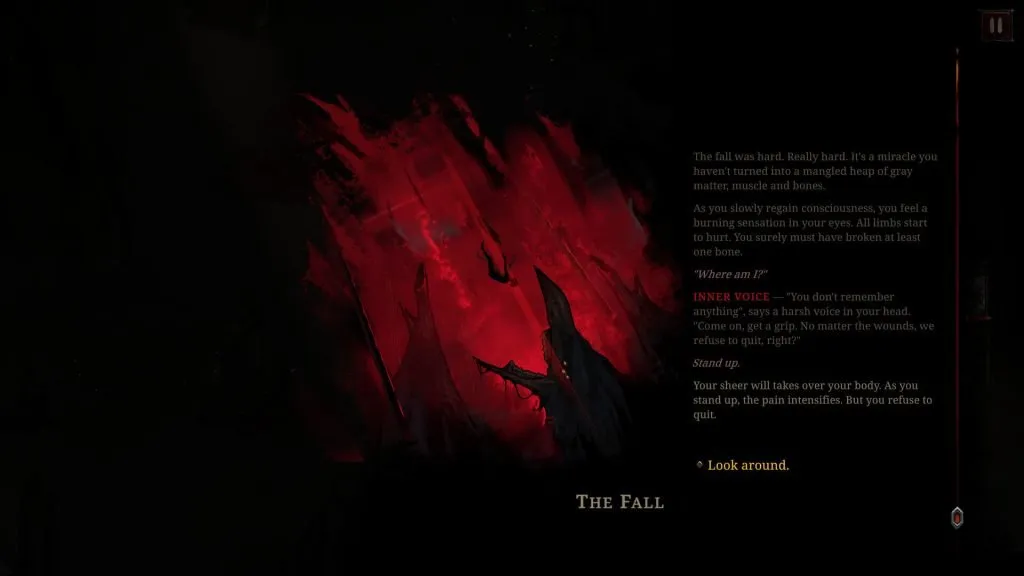
The Warlock and Bladedancer were already largely implemented, but the team found it difficult to create five complete build paths without causing balance problems across the shared deck. Both characters will remain involved in the story, and the studio says players will still have opportunities to control them.
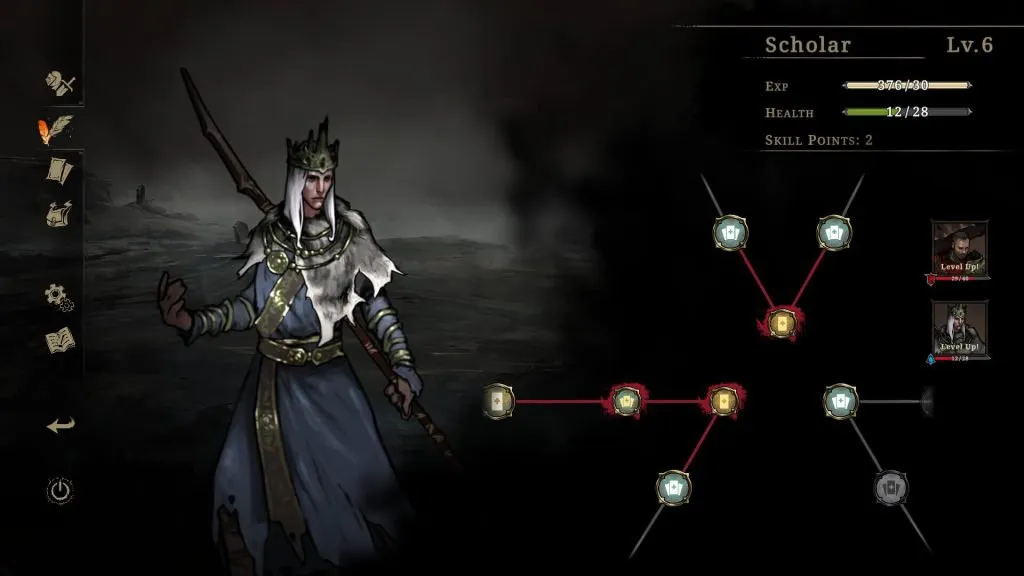
The new skill tree displays the development options for all three heroes together, making it easier to coordinate their abilities and plan how each build contributes to the party.
Combat presentation has also been streamlined. Players previously had to wait for each card animation to finish before selecting another action.
Cards are now added to a queue, allowing an entire sequence to be prepared before its effects play out. Faster transitions and shorter animation delays should reduce the stop-and-start pacing found in the demo, especially during encounters that require several low-cost actions.
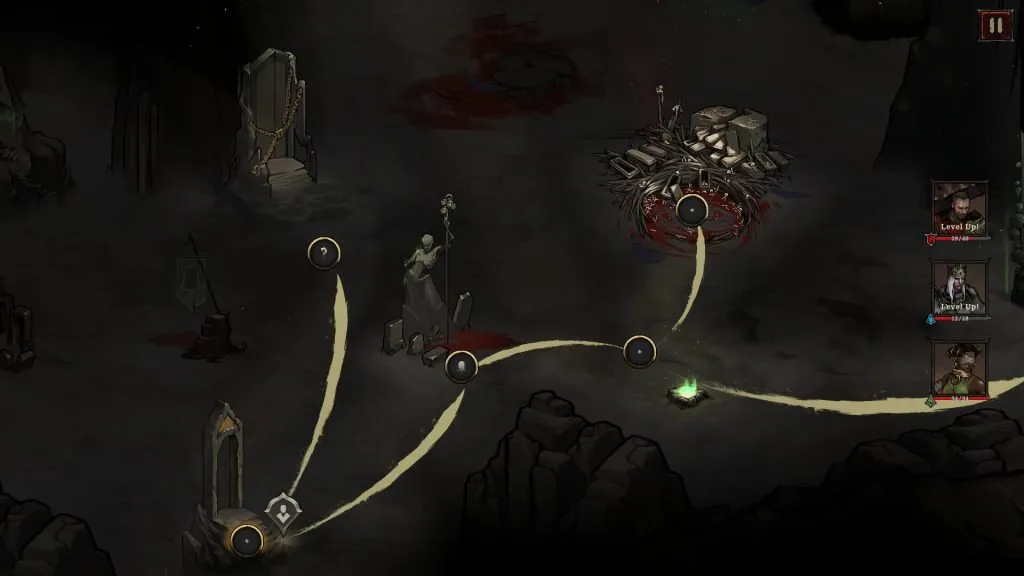
Shards of Order takes place in a world where the ancient Laws governing life, death, and time have been broken or stolen.
The party must recover these Laws and decide whether restoring them is worth the consequences. The RPG layer includes equipment customization, dialogue choices, skill checks, individual character arcs, three regions, and dedicated boss encounters.
Fardust is continuing to recruit players for final testing, with the remaining development period focused on bug fixing and balance adjustments. A free demo remains available on Steam ahead of the full release.
