

As mentioned in a previous article, Indie Quest 2026 mostly flew under my radar, partly due to distraction, partly because of my packed schedule.
An event like this, dedicated among other things to one of my all-time favorite genres, JRPGs and all those games inspired by them, even when they’re not Japanese, deserved more attention, especially with two YouTubers I follow closely, The Gaming Shelf and Retrovibe, hosting the showcase.
And it was actually they who introduced a huge number of new projects I hadn’t heard about, or reminded me of games I already knew that have finally resurfaced with a new trailer or demo.
That’s exactly why, alongside the overviews I’ve already dedicated to some of these titles, I decided to put together a quick recap of 10 of the most interesting ones. Of course, there’s a ton of exciting stuff beyond what I’m covering in this article, so don’t forget to browse the event page yourself.
Thermocline
- Developers: Decent Treatment
- Platforms: PC (Steam, itch.io), Nintendo Switch, PlayStation 5, PlayStation 4, Xbox Series X/S, Xbox One
- Release Date: Winter 2026
- Steam Page
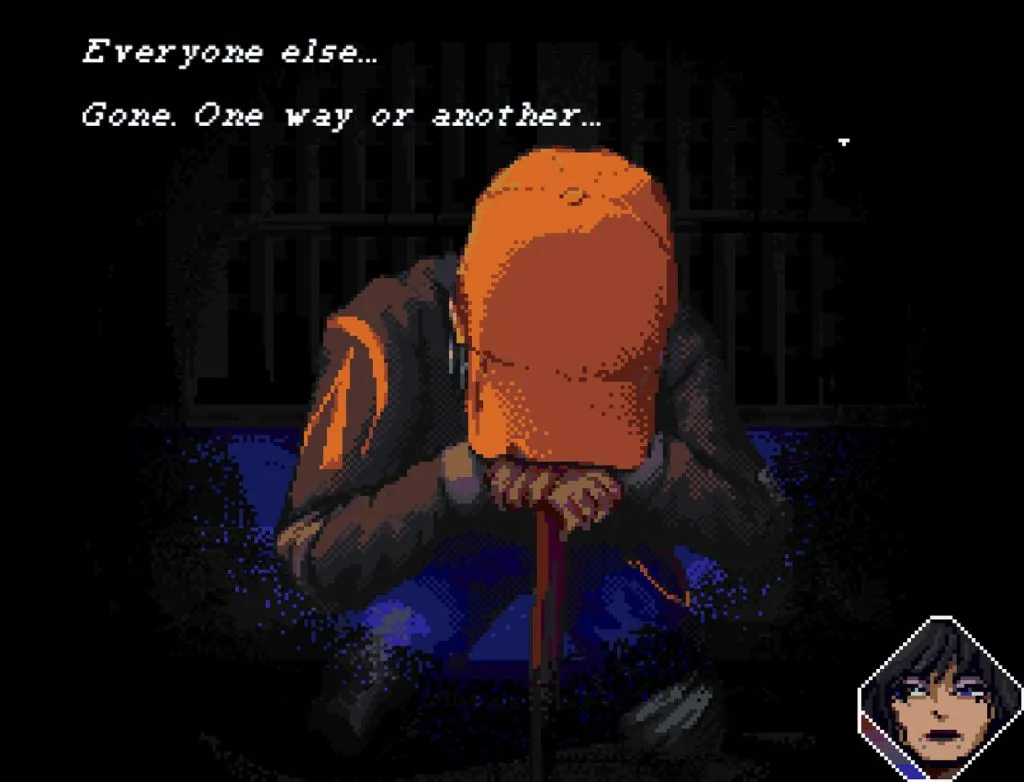
We’re kicking things off with a horror dungeon crawler I’d never even heard of before. Thermocline leans into the colder, nastier side of indie RPG horror, set on the corpse planet C9 CRPSE-19. It follows a lone survivor stuck in a frozen wasteland.
The game mixes psychological horror, turn-based combat, and survival pressure, with temperature management sitting at the center of its design, giving exploration a constant low-level threat, since moving through abandoned infrastructure is not just about finding the next room or clue, but it’s about staying alive long enough to understand what happened there.
With hand-drawn environments, grafted monstrosities, and a free-to-play model, it looks like a compact but sharp pick for players who enjoy RPG Maker horror with real resource friction.
RuneSmith
- Developers: Terahard Ltd
- Platforms: PC (Windows)
- Release Date: Coming Soon
- Steam Page
RuneSmith is one of the titles I covered in an overview just a few hours ago, thanks to its distinctive style and promising gameplay premise.
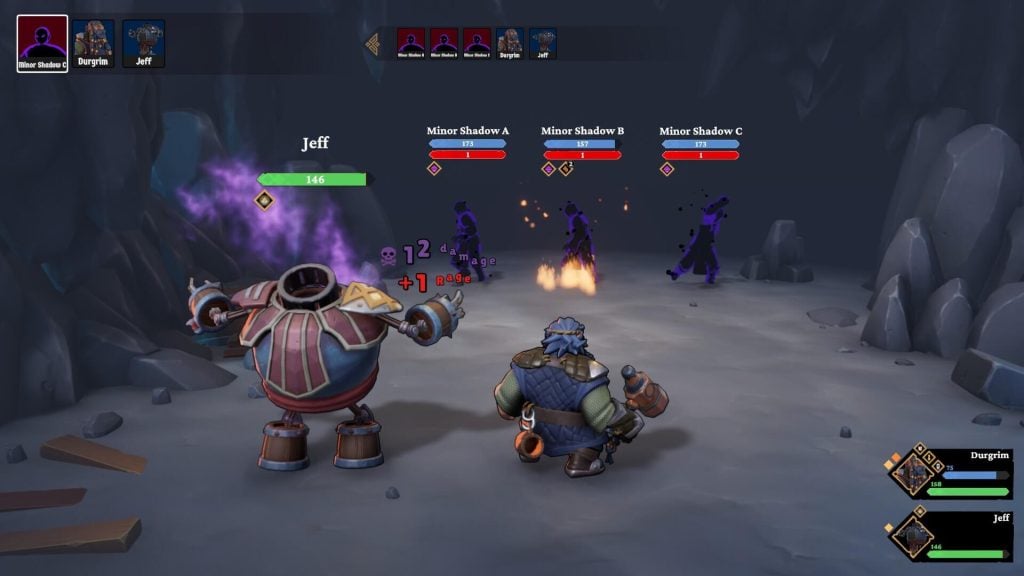
It takes the familiar fantasy dwarf archetype and builds a full turn-based RPG around grudges, crafting, ale, and battlefields. Terahard’s game follows Durgrim, a runesmith who sets out after a powerful summoner, not only because the world is in danger, but because the man owes him money.
That tone gives the whole project a rough comic edge, but the systems sound more serious than the premise lets on.
Weapons, armor, and trinkets can be shaped through rune engraving, while combat plays with unstable status effect combinations that can spiral in strange ways. Between tavern brawls, forge upgrades, questionable jobs, mines, ruins, and dungeons, RuneSmith seems aimed at players who like their RPGs crunchy, messy, and a little drunk.
Crystal Project II
- Developers: Andrew Willman
- Platforms: PC (Windows, Mac, Linux)
- Release Date: To Be Announced
- Steam Page
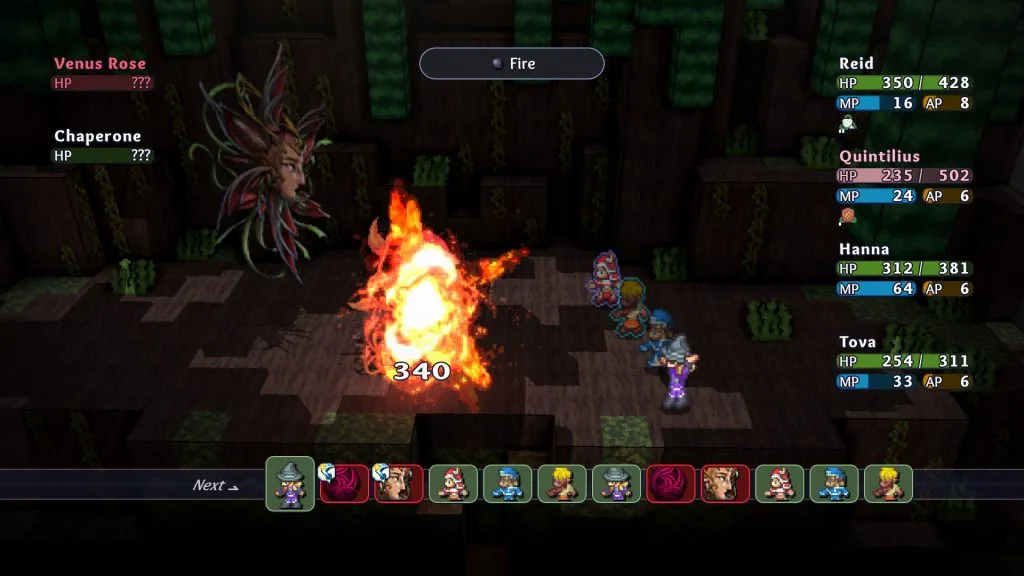
I was very pleased to discover that one of the most interesting JRPGs in recent years is about to get a sequel: Crystal Project II, which keeps the original game’s love for open-ended exploration, but moves it into the new land of Sycamore with a broader Metroidvania structure.
You explore, unlock travel options, find classes, learn abilities, build a party, and push into harder zones when you can survive them. The returning threat-based battle system remains the main tactical hook, with enemies showing turn order, damage, target choices, and probabilities before actions play out.
New build options, ability augments, equipment modifiers, summoning allies, assist settings, challenge options, more teleport points, and even fishing points toward a sequel that wants to be friendlier without sanding down its RPG depth.
Wicked Night: Holy Knights
- Developers: Blindcoco Studios
- Platforms: PC (Windows) (Optimized for Steam Deck)
- Release Date: To Be Announced
- Steam Page
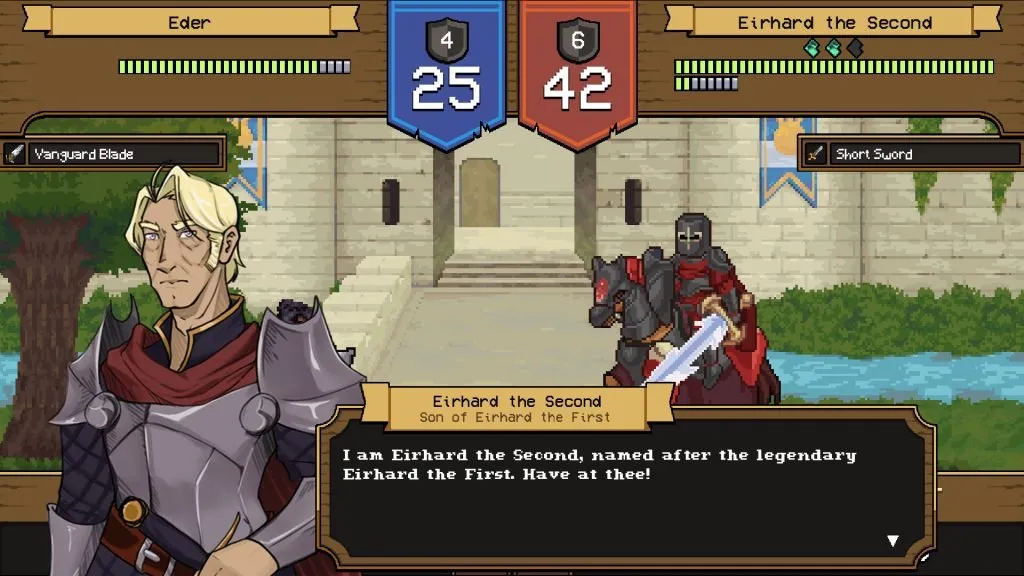
Another title to add to the article I’m putting together for next week, focused on the many SRPGs that have been seemingly popping up out of nowhere lately.
Wicked Night: Holy Knights is a tactical RPG built for players who still have a soft spot for GBA-era strategy RPGs, but it is not stopping at nostalgia. Blindcoco Studios frames the game around army management, character bonds, and the spread of the Wicked Night across Solance.
Each unit carries a defined loadout, with four weapons, four items, boots, and a shield slot, while weapons avoid durability and consumables refill each chapter.
The tactical layer gets more personal through skill choices, branching class trees, 35-plus characters, relationship bonuses, support conversations, reforging, and Arts powered by a shared AP resource.
Full Circle
- Developers: 2nd Player Games (Publisher: Deck13 Spotlight)
- Platforms: PC (Windows), Consoles (TBA)
- Release Date: To Be Announced
- Steam Page
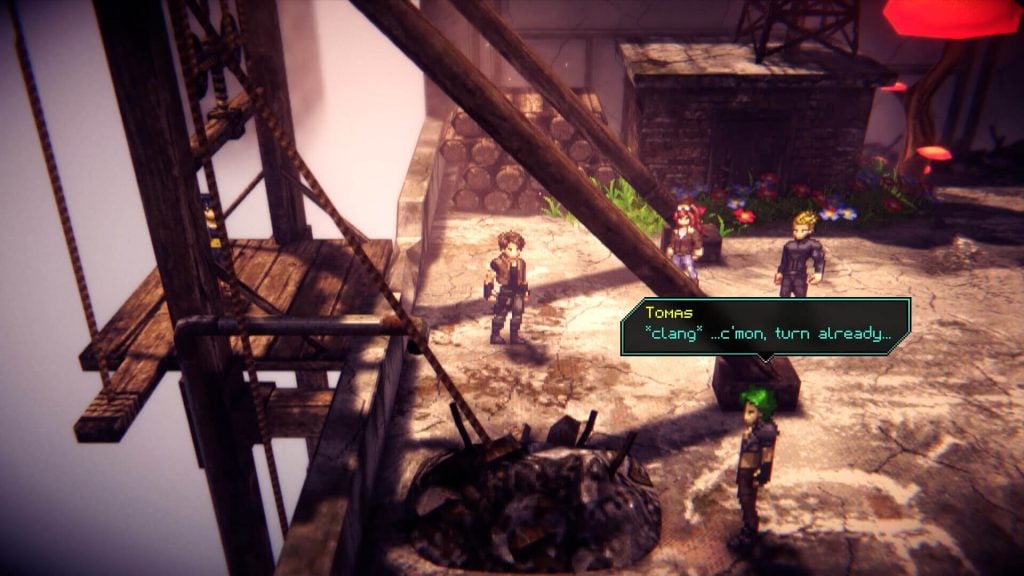
Full Circle is a story-driven JRPG from 2nd Player Games and Deck13 Spotlight, clearly shaped by the PlayStation era but built around a post-apocalyptic world of sky cities, ruins, and dangerous surface lands.
Humanity has fled upward after the planet became overrun by mutated beasts, while young heroes are raised to protect the last safe places from the world below.
The setup gains a sharper edge when a mission reveals survivors, rival cities, and truths that challenge what these heroes have been taught. Combat blends turn-based strategy with real-time precision inputs, letting players chain party actions, time attacks, deny enemy reactions, and swap between active and reserve characters.
With turrets, hacking, beast taming, and environmental control in the character kits, Full Circle looks less like a pure nostalgia piece and more like a modern JRPG.
Sunny Trails
- Developers: Plot Interactive, Sunny Team
- Platforms: PC (Windows), Mobile, Consoles (TBA)
- Release Date: To Be Announced
- Steam Page
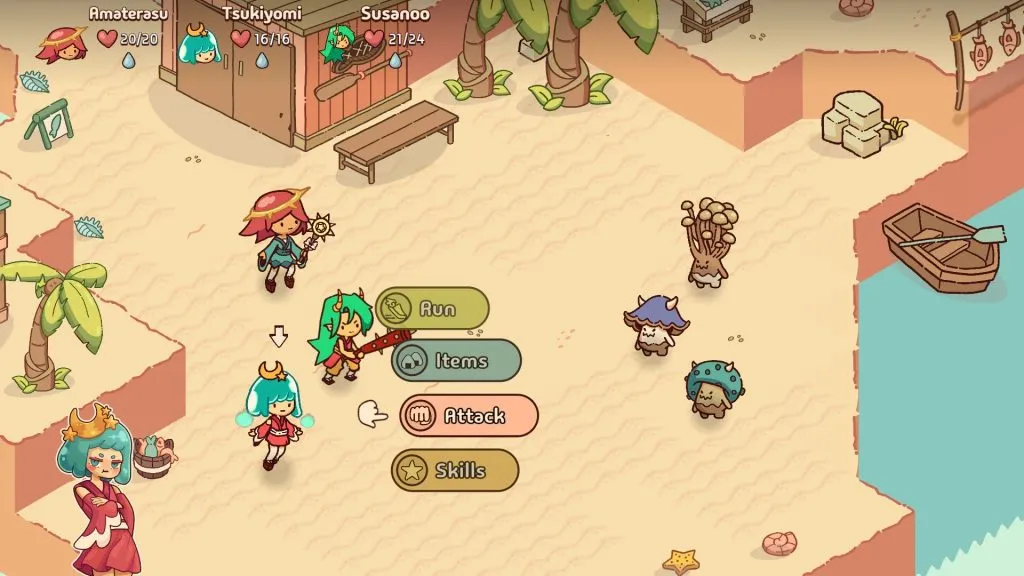
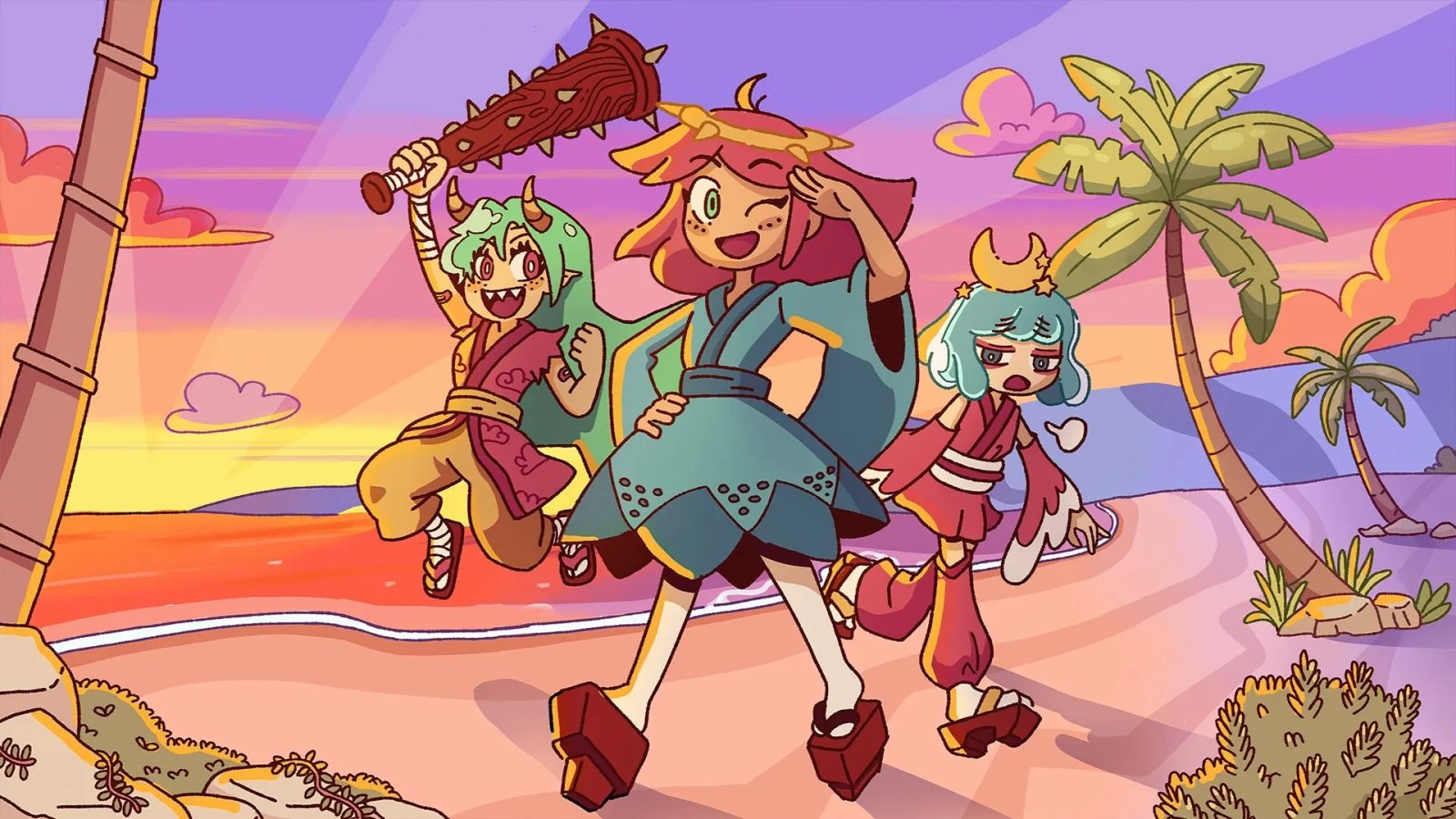
Sunny Trails is exactly the kind of game I plan to try with my daughter to help her appreciate turn-based RPGs, thanks to its welcoming formula and cultural twist, sending Amaterasu, Susanoo, and Tsukuyomi to Florianópolis for a divine celebration that goes wrong before it even begins.
The island is ready for the party, but the guests have been turned into stone, leaving the three goddesses to explore beaches, meet odd characters, and investigate the mysterious visitor behind the curse.
The game mixes relaxed exploration with turn-based battles, fishing, cooking for stat boosts, magical item collection, camp decoration, and Brazilian folklore. Its connection to the fantastic tales of Franklin Cascaes gives the setting a more specific identity than the usual sunny island adventure.
It looks gentle on the surface, but there is enough mystery and folklore behind it to give the journey some bite.
Lie of Caelum: Spirit
- Developers: Classi5ed
- Platforms: PC (Windows)
- Release Date: Coming Soon
- Steam Page
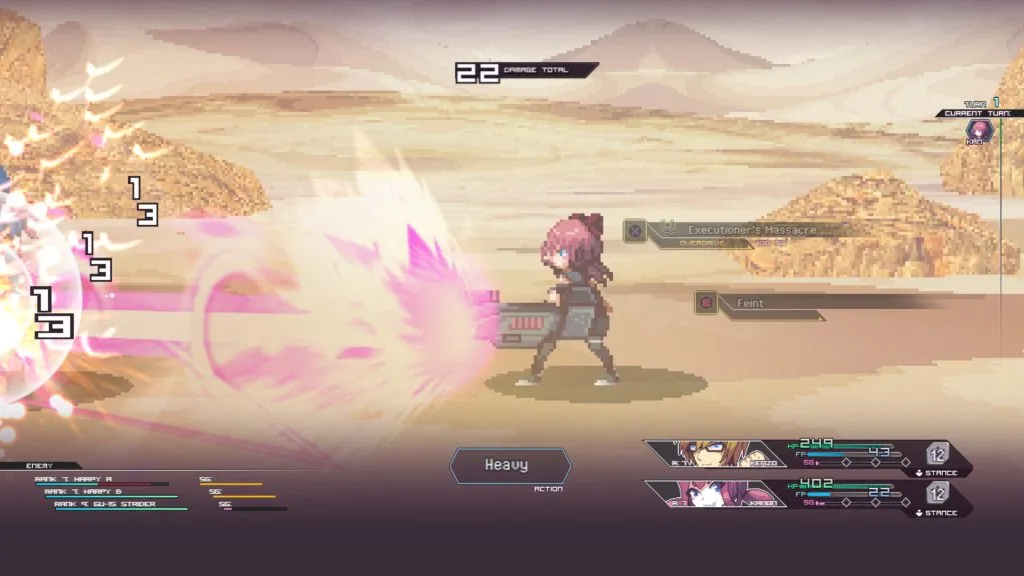
Lie of Caelum: Spirit is a PSX-inspired JRPG that, at first, reminds me of Xenogears. The story is about a fractured group pulled into a global conspiracy in which class tensions, history, religion, and politics all seem to hide something worse beneath the surface.
The world of Caelum mixes fantasy, sci-fi touches, mechs, and futuristic imagery, while the party itself is described less as a clean, heroic squad and more as a volatile mix of people forced to work together.
Combat uses an input combo system where timing can trigger stronger techniques, critical attacks, and perfect guards, giving battles a more kinetic rhythm than standard menu combat.
Gear can change roles, Link Catalysts add support options, and the world includes side quests, lore, and a BURST TCG minigame. It looks like a dense, moody indie JRPG built around pressure, timing, and secrets.
Bestiario
- Developers: Wiggin Industries
- Platforms: PC (Windows, Mac, Linux), Nintendo Switch, PlayStation 5, Xbox Series X/S
- Release Date: Q1 2027
- Steam Page
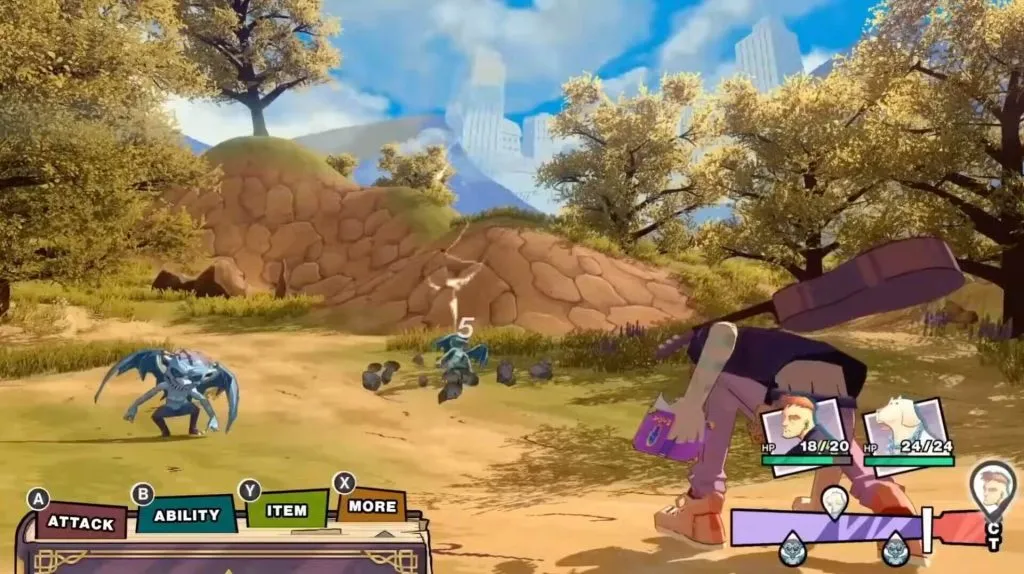
Bestiario was a game I’ve already known about, but it was nice to watch a new trailer about this stylish monster catcher and social RPG.
Wiggin Industries is building a turn-based JRPG around Spanish mythology and folklore, with creatures such as the Ojancano, Cocollona, Tarasca, and the goddess Mari shaping its world.
The game takes clear inspiration from Persona through social sim systems, a calendar structure, character interaction, side activities, and time spent between main story chapters. Combat is inspired by Grandia, which suggests a more dynamic take on turn-based fights than simple back-and-forth commands.
Bestiario is also aiming for more than 30 hours for the main story, with minigames, side quests, customization, and relationship-driven narrative layers around the battles. For players who want a JRPG that moves outside the usual mythological pool, this one has a strong identity already.
Codex Eternal Eclipse
- Developers: Mogu
- Platforms: PC (Windows)
- Release Date: To Be Announced
- Steam Page
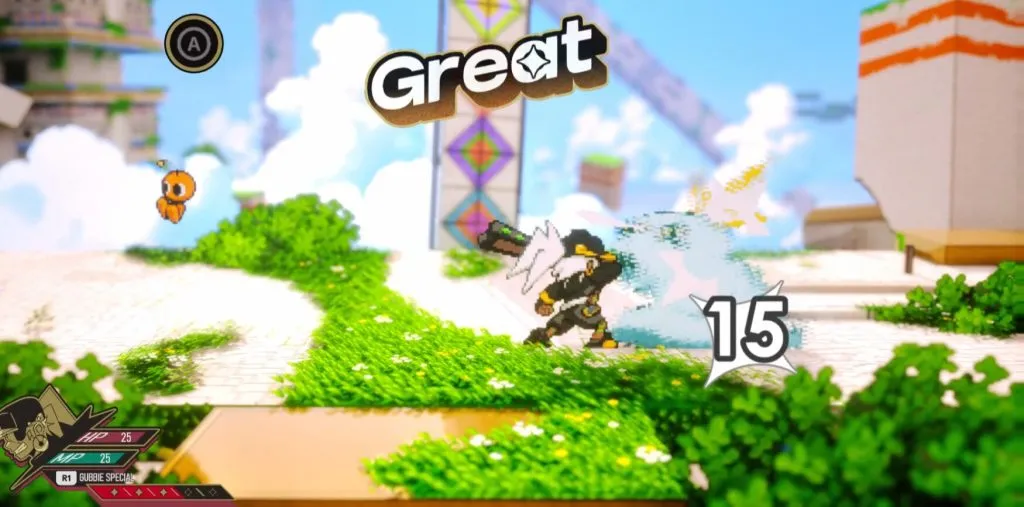
One of the most exciting pixelated RPGs out there is Codex Eternal Eclipse, which seems like a strange, story-rich turn-based RPG where tragedy, comedy, and mythic weirdness sit close together.
The game follows four main characters searching for truth while facing gods, massive corporations, and bizarre enemies connected to the Eternal Eclipse. Its combat uses active inputs during attack animations, with timed hits, dodges, parries, and special move minigames adding a Paper Mario-like layer of execution to each fight.
Exploration breaks away from classic grid movement with climbing, jumping, ledge movement, and platformer-inspired traversal.
Visually, it blends pixel art with 2.5D rendering, drawing on ancient and modern Mexican culture and legends while maintaining its own fantasy tone. Between karma, multiple endings, mature themes, and oddball humor, it feels like an RPG for players who enjoy personality as much as systems.
Seed of God
- Developers: One guy no gang production
- Platforms: PC (Windows)
- Release Date: March 2026
- Steam Page
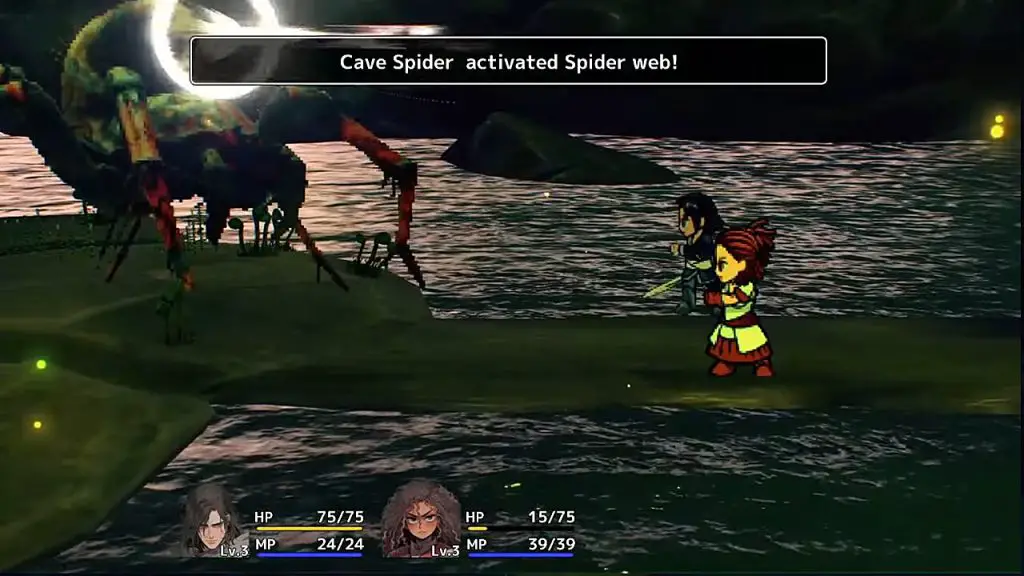
Let’s close my Indie Quest 2026 recap with another project I’m keeping following. Seed of God is a solo-developed JRPG that reaches for the kind of large, melodramatic adventure usually associated with SNES and PlayStation-era classics.
Built with a mix of 2D pixel art and 3D environments, it follows a character-driven story in the kingdom of Riebenhelm, where religion, politics, love, grief, and moral choices shape the journey.
The developer is open about the game’s rough edges, which gives the project a very handmade quality, but the ambition is clear. It does not want to guide players through every answer with markers or soft prompts.
Dialogue, clues, secrets, and decisions matter, while turn-based combat, exploration, party growth, and good or bad moral choices support the broader RPG structure. It may not be polished in the usual commercial sense, but it has the feel of a personal, stubborn, old-school saga.
