

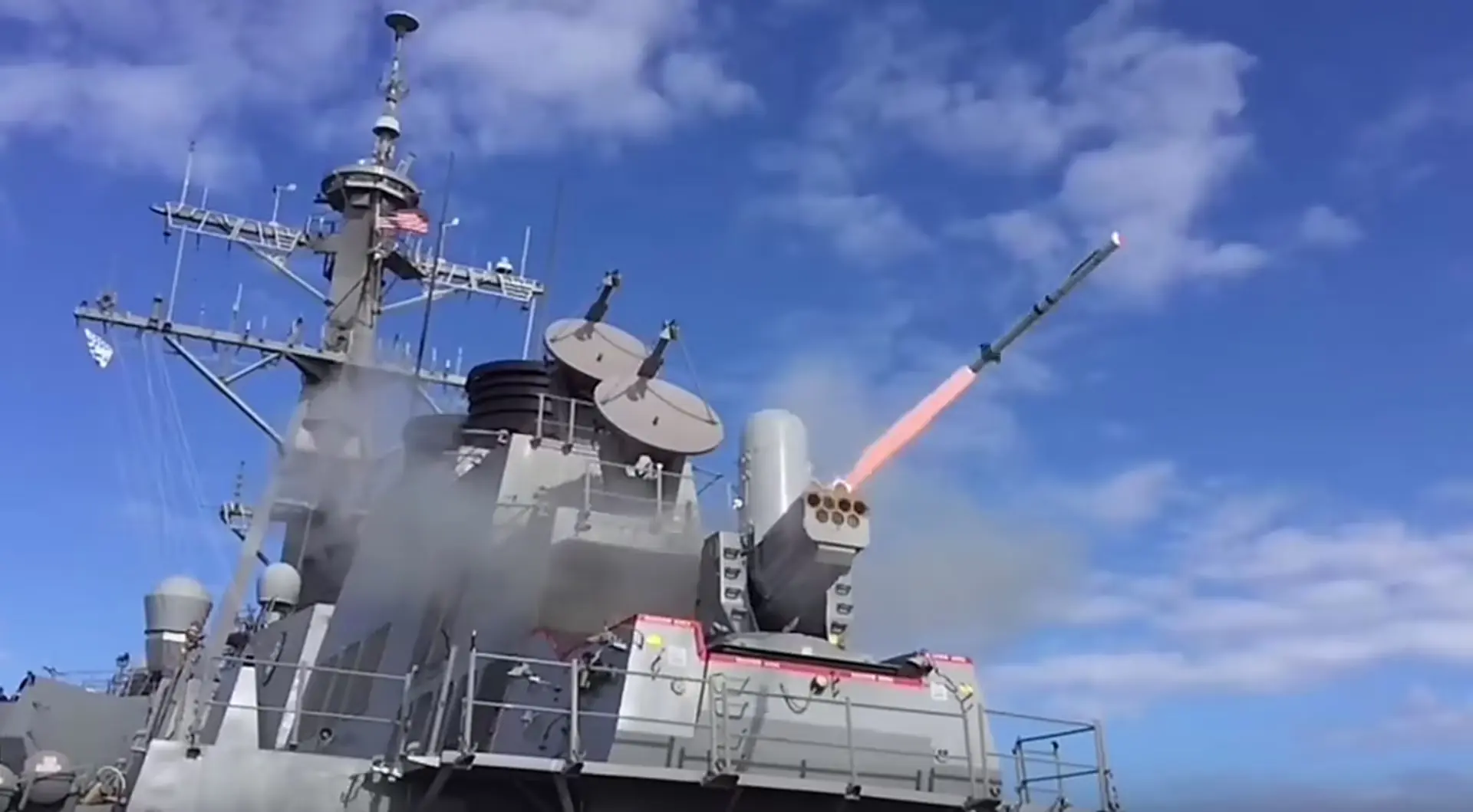
Defense Feeds, Canberra — Australia is moving to strengthen its future naval defense capabilities as the Australia Mogami frigates gain SeaRAM missile defense upgrade through the planned integration of Raytheon’s SeaRAM close-in weapon system.
The upgrade will equip the future enhanced Mogami-class frigates with an additional defensive layer against modern aerial threats including anti-ship missiles, drones and fast-moving aircraft.
The decision reflects Australia’s broader naval modernization efforts as regional maritime competition intensifies across the Indo-Pacific. Modern warships are increasingly required to defend against complex saturation attacks involving multiple incoming threats at once. Integrating advanced close-in defense systems has therefore become a critical part of survivability planning for next-generation fleets.
The Mogami-class frigates, originally developed by Japan, are attracting growing international interest because of their stealth design, automation and multi-role flexibility. Australia’s planned upgraded version is expected to incorporate additional capabilities tailored to regional operational requirements and alliance interoperability.
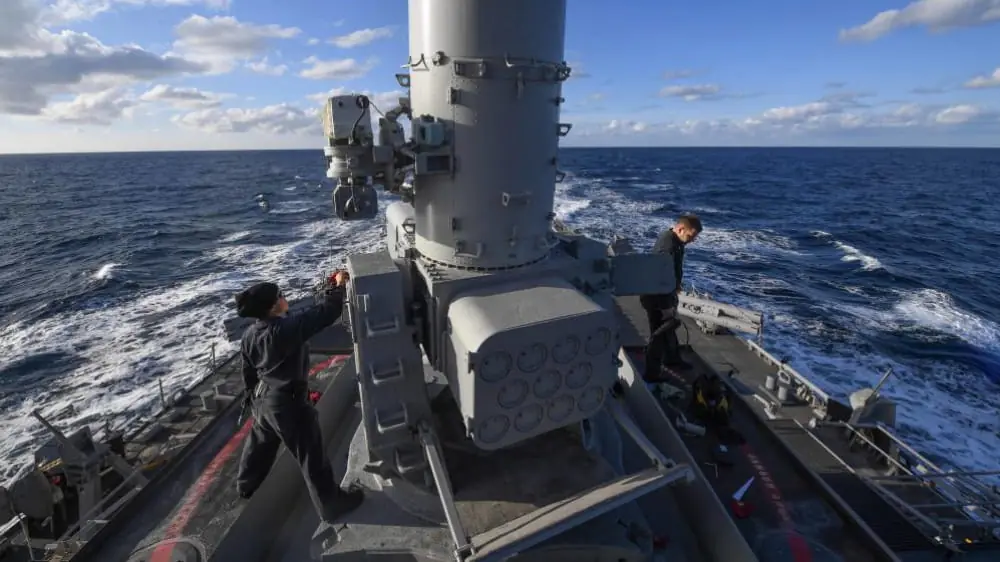
SeaRAM System Strengthens Last-Line Ship Defense
The SeaRAM missile defense system is designed to protect warships against threats that penetrate outer defensive layers. Combining the Phalanx radar and sensor package with Rolling Airframe Missiles, the system provides rapid-response interception capability against incoming aerial threats at close range.
Modern naval warfare increasingly involves high-speed anti-ship missiles and unmanned aerial systems capable of overwhelming traditional defenses. Close-in weapon systems like SeaRAM serve as a final protective layer when other interceptors fail or reaction times become extremely limited.
One of SeaRAM’s main advantages is its autonomous engagement capability. The system can detect, track and engage incoming threats with minimal operator intervention, allowing for extremely rapid response during high-intensity engagements. This automation is especially important in saturation attack scenarios.
The system also offers flexibility against evolving threats. In addition to missiles, SeaRAM can engage drones and certain aircraft targets, making it highly adaptable to modern naval combat conditions. Such versatility is increasingly valuable as unmanned systems become more common in maritime warfare.
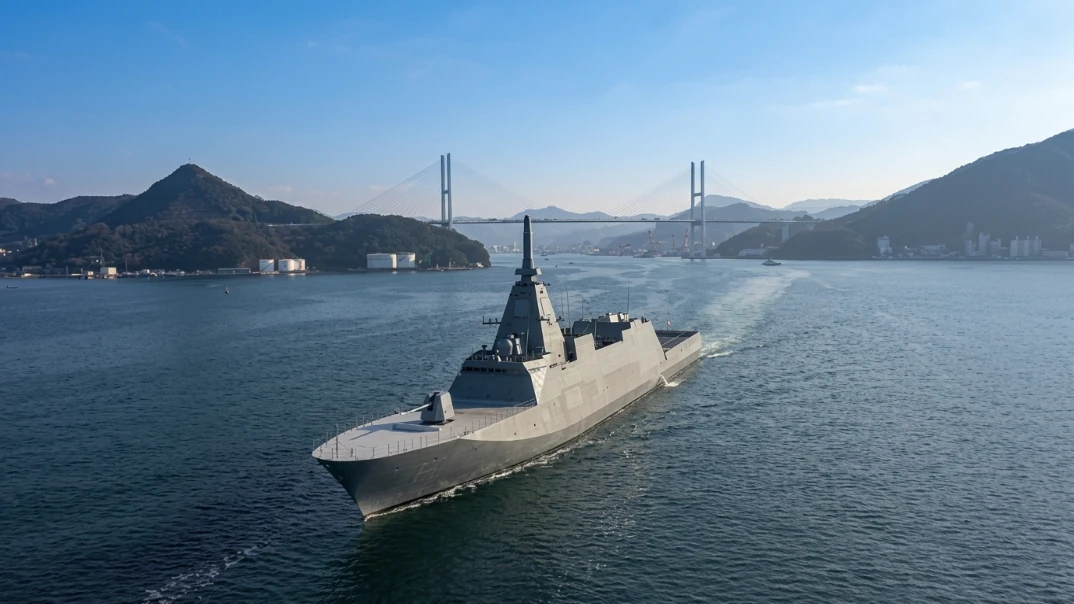
Australia Expands Naval Modernization Efforts
The integration of SeaRAM into Australia’s future Mogami-class frigates forms part of a broader effort to modernize the Royal Australian Navy. Canberra has placed increasing emphasis on strengthening maritime defense as strategic competition and naval activity continue to grow in the Indo-Pacific region.
Future surface combatants are expected to operate in more contested environments where survivability and networked defense capabilities are essential. Upgrading frigates with advanced defensive systems helps ensure long-term operational effectiveness against increasingly sophisticated threats.
Australia’s interest in the Mogami-class also reflects a shift toward highly automated warships. The Japanese-designed frigates are known for requiring smaller crews while maintaining advanced operational capability. Reduced manpower demands can improve sustainability and efficiency across naval operations.
In addition, integrating systems like SeaRAM supports interoperability with allied forces, particularly the United States and regional partners. Shared technologies and compatible defense systems simplify joint operations and strengthen coalition effectiveness during multinational missions.
Indo-Pacific Naval Competition Drives Defense Upgrades
The planned SeaRAM integration highlights how naval modernization is increasingly shaped by evolving regional security concerns. The Indo-Pacific has become a focal point for military competition, with countries expanding both offensive and defensive maritime capabilities.
Anti-ship missile proliferation is one of the major factors influencing naval planning. Modern missiles are becoming faster, more maneuverable and more difficult to intercept, forcing navies to adopt layered defense strategies. Systems like SeaRAM provide a critical final shield against these threats.
The growing use of drones and autonomous systems at sea is also reshaping fleet defense requirements. Low-cost unmanned aerial threats can pressure expensive missile-defense systems through sheer numbers. Rapid-response close-in systems offer a more sustainable way to counter these attacks.
Looking ahead, Australia’s future Mogami-class frigates are expected to play an important role in regional maritime operations, patrol missions and coalition activities. Equipping these vessels with advanced defensive technologies improves survivability while supporting broader strategic objectives in the Indo-Pacific.
The decision to integrate SeaRAM into the future fleet underscores Australia’s commitment to maintaining a modern and resilient navy capable of responding to emerging threats. As naval warfare continues to evolve, layered missile defense and automated protection systems are becoming essential features of next-generation warships.
