


A flatter stomach is one of the most common fitness goals, especially as summer approaches. While there is no magic trick that melts belly fat overnight, there are well established strategies that reliably reduce abdominal fat, improve digestion, and enhance how your midsection looks and feels. The key is understanding what actually works based on science, not trends.
This article breaks down ten practical, evidence based tips you can apply immediately. Each one is grounded in physiology, nutrition science, and exercise research. No fluff, no gimmicks, just what works.
Why Belly Fat Is Stubborn
Before diving into the tips, it helps to understand why abdominal fat is difficult to lose. Belly fat includes both subcutaneous fat, which sits under the skin, and visceral fat, which surrounds internal organs. Visceral fat is metabolically active and linked to insulin resistance, inflammation, and increased risk of disease.
Hormones such as cortisol and insulin play a major role in fat storage around the midsection. Poor sleep, chronic stress, and excessive calorie intake all influence these hormones. Genetics also determine where your body tends to store fat. The good news is that lifestyle changes can significantly reduce belly fat even without extreme dieting.

Tip 1: Focus on a Small Calorie Deficit
Why It Matters
Fat loss ultimately comes down to energy balance. You need to burn more calories than you consume over time. However, aggressive calorie restriction often backfires by increasing hunger and reducing metabolic rate.
How to Apply It
Aim for a modest calorie deficit of about 300 to 500 calories per day. This supports steady fat loss without compromising muscle mass or energy levels.
Practical strategies include:
- Slightly reducing portion sizes
- Cutting liquid calories such as sugary drinks
- Tracking intake for awareness rather than perfection
Studies consistently show that moderate energy restriction leads to sustainable fat loss, including reductions in abdominal fat.
Tip 2: Increase Protein Intake
Why It Matters
Protein plays a crucial role in fat loss. It increases satiety, reduces hunger hormones, and helps preserve lean muscle mass during a calorie deficit.
Protein Calculator
Higher protein intake has been linked specifically to reduced belly fat over time.
How to Apply It
Aim for around 1.6 to 2.2 grams of protein per kilogram of body weight per day.
Good protein sources include:
- Lean meats such as chicken and turkey
- Fish and seafood
- Eggs
- Greek yogurt
- Legumes and plant based proteins
Protein also has a higher thermic effect than carbohydrates or fat, meaning your body burns more calories digesting it.
Tip 3: Lift Weights Regularly

Why It Matters
Resistance training is one of the most effective ways to improve body composition. It builds muscle, which increases resting metabolic rate and helps maintain fat loss over time.
While you cannot spot reduce fat, lifting weights reduces overall body fat, including in the abdominal area.
How to Apply It
Train with weights at least three times per week. Focus on compound movements such as:
- Squats
- Deadlifts
- Bench presses
- Rows
These exercises recruit large muscle groups and create a strong metabolic stimulus. Research shows that resistance training is particularly effective at reducing visceral fat compared to diet alone.
Tip 4: Add High Intensity Interval Training
Why It Matters
High intensity interval training, often called HIIT, is highly efficient for burning calories and improving cardiovascular fitness. It has been shown to reduce both subcutaneous and visceral fat more effectively than steady state cardio in some cases.
How to Apply It
Incorporate two to three sessions per week. A simple structure:
- 30 seconds of high effort
- 60 to 90 seconds of recovery
- Repeat for 15 to 20 minutes
Activities can include sprinting, cycling, or bodyweight exercises. HIIT also improves insulin sensitivity, which plays a role in reducing fat storage around the abdomen.
Tip 5: Prioritize Sleep Quality
Why It Matters
Sleep is often overlooked in fat loss. Poor sleep increases hunger hormones like ghrelin and reduces satiety hormones like leptin. It also raises cortisol levels, which promotes fat storage in the abdominal area. Sleep deprivation has been linked to increased visceral fat even without changes in calorie intake.
How to Apply It
Aim for seven to nine hours of quality sleep per night. Improve sleep by:
- Keeping a consistent sleep schedule
- Limiting screen exposure before bed
- Avoiding caffeine late in the day
- Creating a cool and dark sleeping environment
Better sleep supports hormone balance and improves fat loss outcomes.
Tip 6: Reduce Added Sugar and Refined Carbs
Why It Matters
Diets high in added sugar, particularly fructose, are strongly linked to increased belly fat. Refined carbohydrates spike blood sugar and insulin, which can promote fat storage.
How to Apply It
Focus on whole, minimally processed foods. Reduce intake of:
- Sugary drinks
- Candy and desserts
- White bread and pastries
Replace them with:
- Whole grains
- Fruits
- Vegetables
- Fiber rich foods
Lower sugar intake improves insulin sensitivity and reduces fat accumulation around the midsection.
Tip 7: Eat More Fiber
Why It Matters
Fiber, especially soluble fiber, slows digestion and increases feelings of fullness. It also helps regulate blood sugar levels and supports gut health. Higher fiber intake is associated with lower amounts of visceral fat.
How to Apply It
Aim for at least 25 to 35 grams of fiber per day. Good sources include:
- Oats
- Beans and lentils
- Apples and berries
- Vegetables such as broccoli and carrots
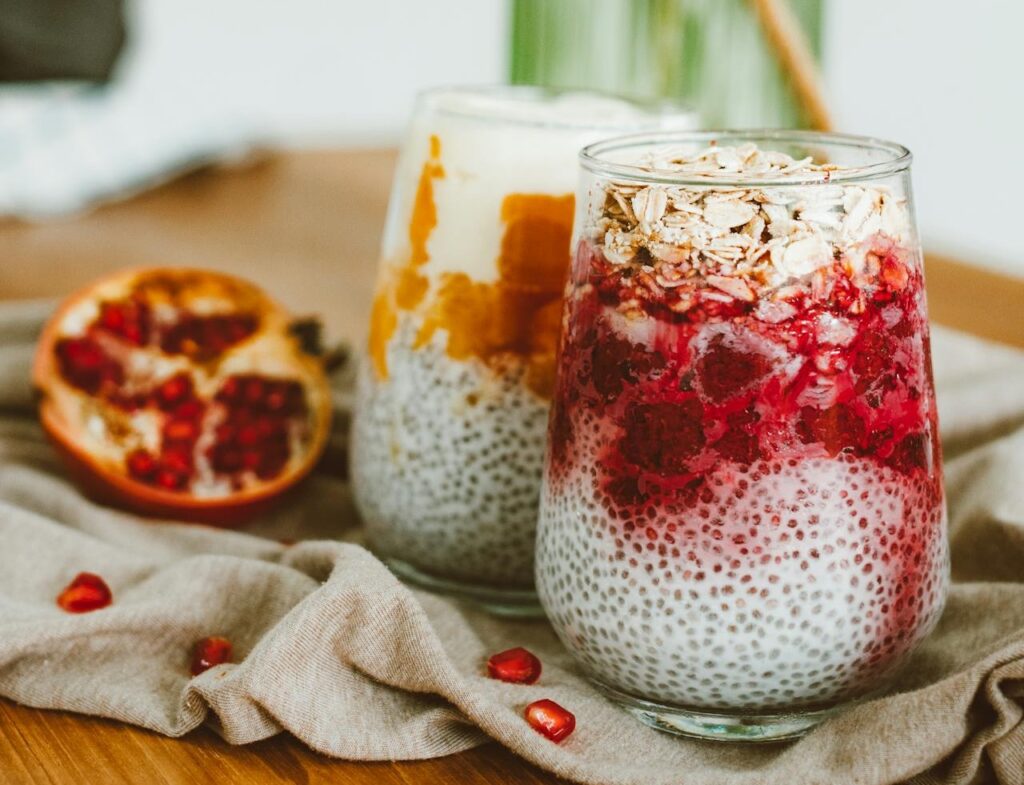
- Chia seeds and flaxseeds
Soluble fiber forms a gel like substance in the gut, which helps reduce appetite and calorie intake.
Tip 8: Manage Stress Levels
Why It Matters
Chronic stress leads to elevated cortisol levels. High cortisol is linked to increased abdominal fat storage and cravings for high calorie foods. Stress also disrupts sleep, which further worsens fat accumulation.
How to Apply It
Incorporate stress management techniques into your daily routine:
- Mindfulness or meditation
- Deep breathing exercises
- Regular physical activity
- Spending time outdoors
Even short periods of relaxation can lower cortisol levels and support fat loss.
Tip 9: Stay Hydrated
Why It Matters
Hydration affects metabolism, digestion, and appetite. Drinking enough water can help reduce calorie intake by promoting fullness. Dehydration can also lead to bloating, which makes the stomach appear less flat.
How to Apply It
Aim for about 2 to 3 liters of water per day, depending on body size and activity level.
Simple habits:
- Drink a glass of water before meals
- Carry a water bottle
- Replace sugary drinks with water
Proper hydration supports digestion and reduces water retention.
Tip 10: Improve Gut Health and Reduce Bloating
Why It Matters
Sometimes a stomach does not look flat due to bloating rather than fat. Gut health plays a major role in digestion and abdominal appearance. An imbalance in gut bacteria can lead to gas, inflammation, and bloating.
How to Apply It
Support gut health by:
- Eating fermented foods such as yogurt and kefir
- Including prebiotic foods like garlic, onions, and bananas
- Avoiding foods that trigger bloating such as excessive salt or highly processed foods
Also consider:
- Eating slowly to reduce air swallowing
- Identifying food intolerances
Improving gut health can quickly reduce abdominal distension and make the stomach appear flatter.
Putting It All Together
The most effective approach combines several of these strategies rather than relying on one. A balanced routine might include:
- A slight calorie deficit supported by high protein intake
- Strength training three times per week
- One or two HIIT sessions
- Consistent sleep and stress management
- A whole food diet rich in fiber
Consistency matters more than perfection. Small daily habits compound over time and lead to noticeable changes in body composition.
Common Mistakes to Avoid
Even with the right strategies, some mistakes can slow progress:
- Relying on ab exercises alone. Core training strengthens muscles but does not burn belly fat directly.
- Extreme dieting. Very low calorie diets often lead to muscle loss and rebound weight gain.
- Ignoring lifestyle factors. Sleep and stress are just as important as diet and exercise.
- Expecting rapid results. Sustainable fat loss takes time.
How Long Does It Take to See Results
Visible changes in abdominal fat typically take several weeks to months depending on starting point and consistency.
Most people can expect:
- Improved digestion and reduced bloating within days to weeks
- Noticeable fat loss within four to eight weeks
- Significant changes over three to six months
Patience and consistency are key.
Final Thoughts
A flatter stomach is not about shortcuts. It is about aligning your habits with how your body actually works. When you manage calorie intake, prioritize protein, train effectively, sleep well, and support your gut, results follow.
These ten tips are simple, but they are powerful because they are grounded in science. Apply them consistently, and you will not just look better for summer 2026, you will also improve your long term health.
References
- American Journal of Clinical Nutrition. Hall, K.D. et al. (2016). Energy balance and its components.
- Journal of Nutrition. Weigle, D.S. et al. (2005). High protein diets and satiety.
- Obesity Reviews. Schoenfeld, B.J. (2013). Effects of resistance training on fat loss.
- Sports Medicine. Boutcher, S.H. (2011). High intensity interval training and fat loss.
- Annals of Internal Medicine. Nedeltcheva, A.V. et al. (2010). Sleep and fat loss.
- Journal of Clinical Investigation. Stanhope, K.L. et al. (2009). Fructose consumption and fat accumulation.
- Obesity. Hairston, K.G. et al. (2010). Dietary fiber and visceral fat.
- Psychoneuroendocrinology. Epel, E.S. et al. (2000). Stress and abdominal fat distribution.
