

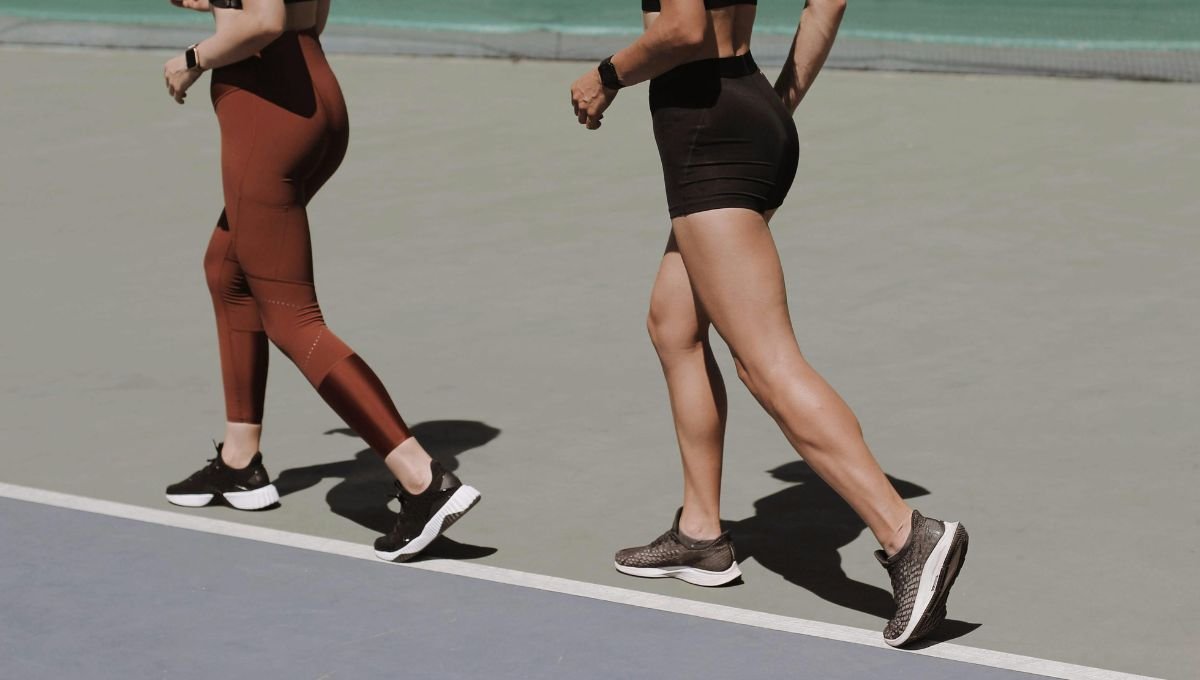
Getting stronger, fitter, and healthier is not always obvious when you look in the mirror. Many people judge progress only by body weight or muscle definition, but those measurements often tell only a small part of the story. Your body begins adapting to training long before dramatic physical changes appear, and many of the most meaningful improvements happen beneath the surface.
Athleticism is not simply about looking muscular or being lean. It reflects your body’s ability to produce force, recover efficiently, move well, and perform physical tasks with less effort. As your cardiovascular system, muscles, nervous system, bones, and metabolism adapt to consistent exercise, your body becomes better at handling physical stress.
Scientists have spent decades studying how humans respond to exercise. Research consistently shows that regular resistance training, aerobic exercise, and high quality recovery create measurable changes across nearly every body system. These changes improve health, reduce disease risk, and increase physical performance.
Here are five science backed signs that your body is becoming more athletic, even if the scale has barely moved.
Your Resting Heart Rate Is Getting Lower
One of the earliest signs of improved fitness often has nothing to do with strength or appearance. It is your resting heart rate.
Resting heart rate refers to how many times your heart beats per minute while you are completely relaxed. For most healthy adults, this falls somewhere between 60 and 100 beats per minute. Endurance trained athletes often have resting heart rates between 40 and 60 beats per minute because their hearts pump blood much more efficiently.
3 Best Dead Stop Exercises for Muscular Legs
As you become fitter, your heart muscle becomes stronger. Each heartbeat pumps more blood throughout your body. Since more blood is delivered with every beat, your heart no longer needs to beat as frequently to meet your body’s demands during rest. This adaptation is known as increased stroke volume. It is one of the classic cardiovascular adaptations to aerobic exercise.
A lower resting heart rate is also associated with better cardiovascular health and reduced risk of heart disease. Long term exercise improves the function of the autonomic nervous system by increasing parasympathetic activity, which promotes recovery and relaxation. This change does not happen overnight. Many people notice gradual improvements after several weeks of consistent aerobic training such as running, cycling, rowing, swimming, or brisk walking.
Wearable fitness trackers have made this adaptation easier to monitor than ever before. While daily numbers naturally fluctuate due to stress, illness, sleep quality, and hydration, a gradual downward trend over several months is usually a positive sign that your cardiovascular fitness is improving.
Your Recovery Between Workouts Is Faster
Recovery is one of the clearest indicators that your body is adapting to training. When someone first begins exercising, muscles often stay sore for several days. Climbing stairs becomes difficult after leg day, and workouts leave them feeling exhausted. As training continues, these symptoms become less severe.
Your muscles repair damage more efficiently. Your nervous system becomes better at coordinating movement. Your connective tissues become stronger. Your cardiovascular system delivers oxygen and nutrients more effectively. Together, these adaptations allow you to recover faster. Delayed onset muscle soreness becomes less intense because your muscles gradually develop resistance to exercise induced damage. Scientists refer to this phenomenon as the repeated bout effect.
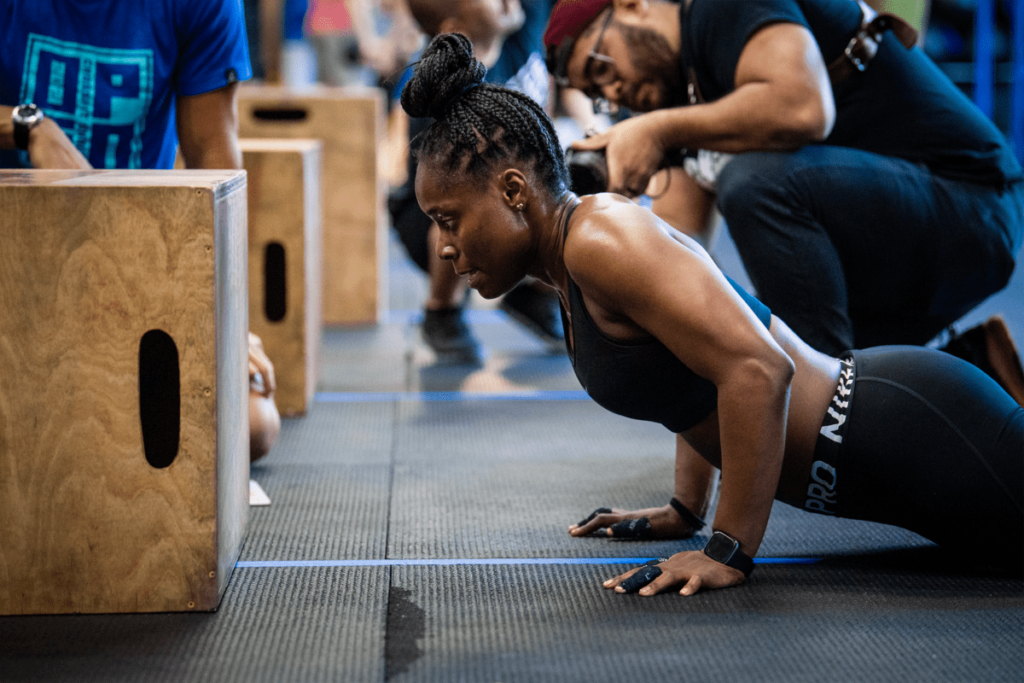
Recovery also improves because your body becomes better at restoring muscle glycogen, repairing damaged proteins, reducing inflammation, and removing metabolic waste products after exercise.
A faster recovery means you can train more consistently, maintain higher quality workouts, and gradually increase your training volume over time. This does not mean you never feel sore. Challenging workouts, new exercises, or increased training intensity can still create muscle soreness. The difference is that your body returns to full performance much more quickly than before.
Athletic people often notice that they feel physically ready to train again within one or two days instead of needing nearly a week after every difficult session.
Everyday Activities Feel Much Easier
Many people focus only on performance inside the gym, but athletic adaptations become obvious outside of training as well. Carrying groceries no longer leaves your arms tired. Walking upstairs becomes effortless. Playing with your children feels easier. Long walks feel enjoyable instead of exhausting. Yard work becomes less physically demanding.
These improvements reflect increased work capacity. Work capacity refers to how much physical activity your body can perform before fatigue becomes limiting. As your muscles become stronger, each everyday task requires a smaller percentage of your maximum strength. If lifting a heavy suitcase once required nearly all of your available strength, that same suitcase eventually becomes a relatively light load.
Your cardiovascular system also contributes. Better oxygen delivery allows muscles to perform repeated movements with less fatigue. Improved movement efficiency plays another major role. The nervous system learns to recruit muscle fibers more effectively. Movement becomes smoother, more coordinated, and more economical. Less energy is wasted during each movement, meaning you accomplish the same task while using fewer resources.
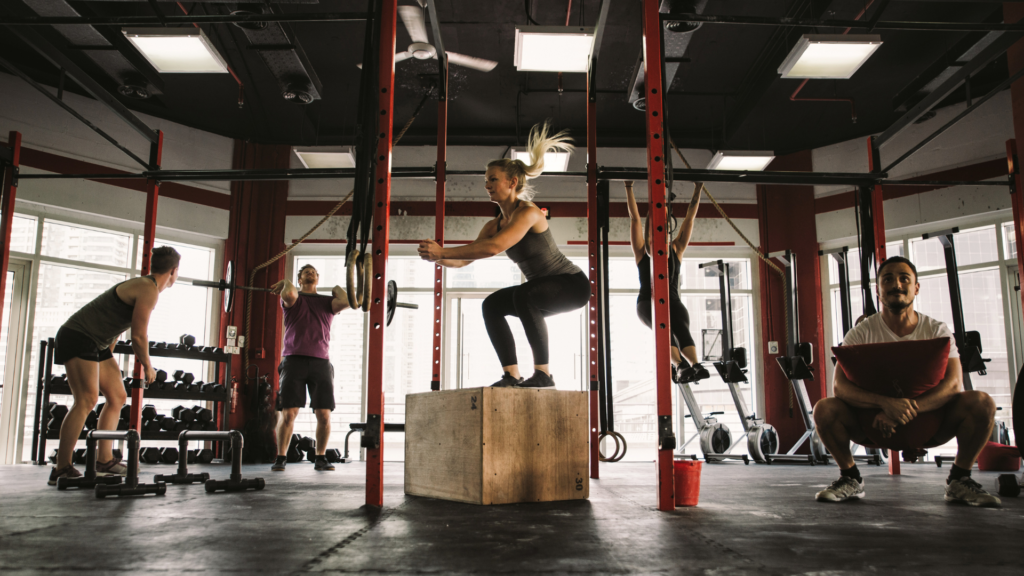
Researchers have consistently shown that resistance training and aerobic exercise improve functional performance across adults of all ages. Even older adults experience substantial improvements in walking speed, stair climbing ability, balance, and daily function after structured exercise programs.
Perhaps the biggest surprise is how quickly these improvements appear. Many people notice that normal daily activities begin feeling easier within the first two months of regular training, even before major physical changes become visible.
You Can Handle More Training Without Feeling Exhausted
Progressive overload is one of the fundamental principles of athletic development. Your body gradually adapts to increasing physical demands. As fitness improves, workloads that once felt extremely difficult become manageable.
This is one of the strongest signs your body is becoming more athletic. You may notice that you can complete additional repetitions during strength training. You recover more quickly between sets. Your running pace increases while feeling equally comfortable. Longer workouts no longer leave you completely drained.
Scientists describe these improvements as increases in exercise tolerance and physical capacity. Several important adaptations contribute to this process. Your muscles increase the number and efficiency of mitochondria, which are responsible for producing energy. Greater mitochondrial density allows muscles to generate more energy aerobically while delaying fatigue.

Capillary density also increases with endurance training. Additional blood vessels improve oxygen delivery and waste removal. Inside muscle fibers, enzymes responsible for energy production become more active, allowing your muscles to generate energy faster and more efficiently during exercise.
Resistance training produces different but equally important changes. Muscle fibers become larger and stronger through increased protein synthesis. The nervous system improves motor unit recruitment, allowing greater force production without necessarily increasing muscle size immediately. As these adaptations accumulate, your perceived effort decreases.
Scientists often measure this using the Rating of Perceived Exertion scale. A workout that previously felt extremely difficult gradually feels moderate despite involving the same workload. This is a hallmark of improved athletic conditioning. It also explains why training programs continually increase intensity over time. Without additional challenges, your body eventually stops adapting because the existing workload no longer provides enough stimulus.
Your Movement Quality Is Improving
Athleticism is about much more than strength and endurance. It also includes coordination, balance, mobility, stability, and movement efficiency. One of the clearest signs that your body is becoming more athletic is that your movements simply feel better. Exercises that once seemed awkward become natural. Squats become smoother. Running feels more fluid. Balance improves during single leg exercises. Sports movements become quicker and more coordinated.
These improvements are driven primarily by your nervous system. Early strength gains are often caused by neurological adaptations rather than muscle growth. Your brain becomes better at activating muscles, coordinating movement patterns, and reducing unnecessary muscle activity.
Motor learning allows your body to perform complex movements with greater precision. Improved proprioception also contributes. Proprioception refers to your body’s awareness of where joints and limbs are positioned in space. Better proprioception enhances balance, coordination, and movement control. Mobility improvements frequently occur alongside these neurological adaptations. Regular resistance training performed through a full range of motion can improve flexibility similarly to traditional stretching for many individuals.
Movement quality also reduces injury risk. Stronger muscles, better balance, improved joint stability, and more efficient mechanics all contribute to safer movement during both exercise and everyday activities. Athletes often describe this feeling as becoming more connected to their bodies. Movements require less conscious effort because the nervous system has become highly practiced through repetition.

This process is known as neuromuscular adaptation, and it represents one of the fastest ways the body responds to consistent training.
Why These Changes Matter More Than the Scale
Many people become discouraged because body weight changes slowly. The problem is that the scale measures everything together, including fat, muscle, water, glycogen, bone, and digestive contents. It cannot tell whether your cardiovascular fitness has improved, whether your muscles have become stronger, or whether your recovery has accelerated.
Someone may gain muscle while losing fat, resulting in little overall weight change despite becoming significantly more athletic. Health professionals increasingly recommend using multiple indicators of progress instead of relying only on body weight.
Performance improvements, resting heart rate, recovery speed, strength gains, endurance, movement quality, and daily energy levels often provide a much more complete picture of physical adaptation. These markers reflect genuine physiological improvements that improve both athletic performance and long term health.
Final Thoughts
Athletic progress is often invisible before it becomes obvious. A lower resting heart rate, faster recovery, easier daily movement, greater exercise capacity, and smoother movement patterns all signal that your body is adapting in meaningful ways. These improvements reflect changes throughout your cardiovascular system, muscles, nervous system, and metabolism that support both better performance and better health.
Rather than focusing exclusively on appearance, pay attention to how your body performs and how it feels. These functional improvements are often the earliest and most reliable signs that you are becoming more athletic.
Key Takeaways
| Sign | What It Means | Why It Matters |
|---|---|---|
| Lower resting heart rate | Your heart pumps more blood with each beat | Indicates improved cardiovascular efficiency and fitness |
| Faster recovery | Muscles and nervous system adapt more efficiently | Allows more consistent and productive training |
| Daily activities feel easier | Strength and endurance increase | Improves quality of life and physical independence |
| Greater training capacity | Energy production and muscular performance improve | Supports continued fitness progress |
| Better movement quality | Coordination, balance, and neuromuscular control improve | Enhances performance while reducing injury risk |
References
- American College of Sports Medicine. (2021) ACSM’s Guidelines for Exercise Testing and Prescription. 11th ed. Philadelphia: Wolters Kluwer.
- Booth, F.W., Roberts, C.K. and Laye, M.J. (2012) ‘Lack of exercise is a major cause of chronic diseases’, Comprehensive Physiology, 2(2), pp. 1143 to 1211.
- Gibala, M.J., Little, J.P., MacDonald, M.J. and Hawley, J.A. (2012) ‘Physiological adaptations to low volume, high intensity interval training in health and disease’, The Journal of Physiology, 590(5), pp. 1077 to 1084.
- Haskell, W.L., Lee, I.M., Pate, R.R., Powell, K.E., Blair, S.N., Franklin, B.A., Macera, C.A., Heath, G.W., Thompson, P.D. and Bauman, A. (2007) ‘Physical activity and public health: Updated recommendation for adults’, Medicine & Science in Sports & Exercise, 39(8), pp. 1423 to 1434.
- McCall, G.E., Byrnes, W.C., Dickinson, A., Pattany, P.M. and Fleck, S.J. (1996) ‘Muscle fiber hypertrophy, hyperplasia, and capillary density in college men after resistance training’, Journal of Applied Physiology, 81(5), pp. 2004 to 2012.
- McGlory, C., Devries, M.C. and Phillips, S.M. (2017) ‘Skeletal muscle and resistance exercise training: The role of protein synthesis in recovery and remodeling’, The Journal of Applied Physiology, 122(3), pp. 541 to 548.
- McPhee, J.S., French, D.P., Jackson, D., Nazroo, J., Pendleton, N. and Degens, H. (2016) ‘Physical activity in older age: Perspectives for healthy ageing and frailty’, Biogerontology, 17(3), pp. 567 to 580.
- Nystoriak, M.A. and Bhatnagar, A. (2018) ‘Cardiovascular effects and benefits of exercise’, Frontiers in Cardiovascular Medicine, 5, Article 135.
