

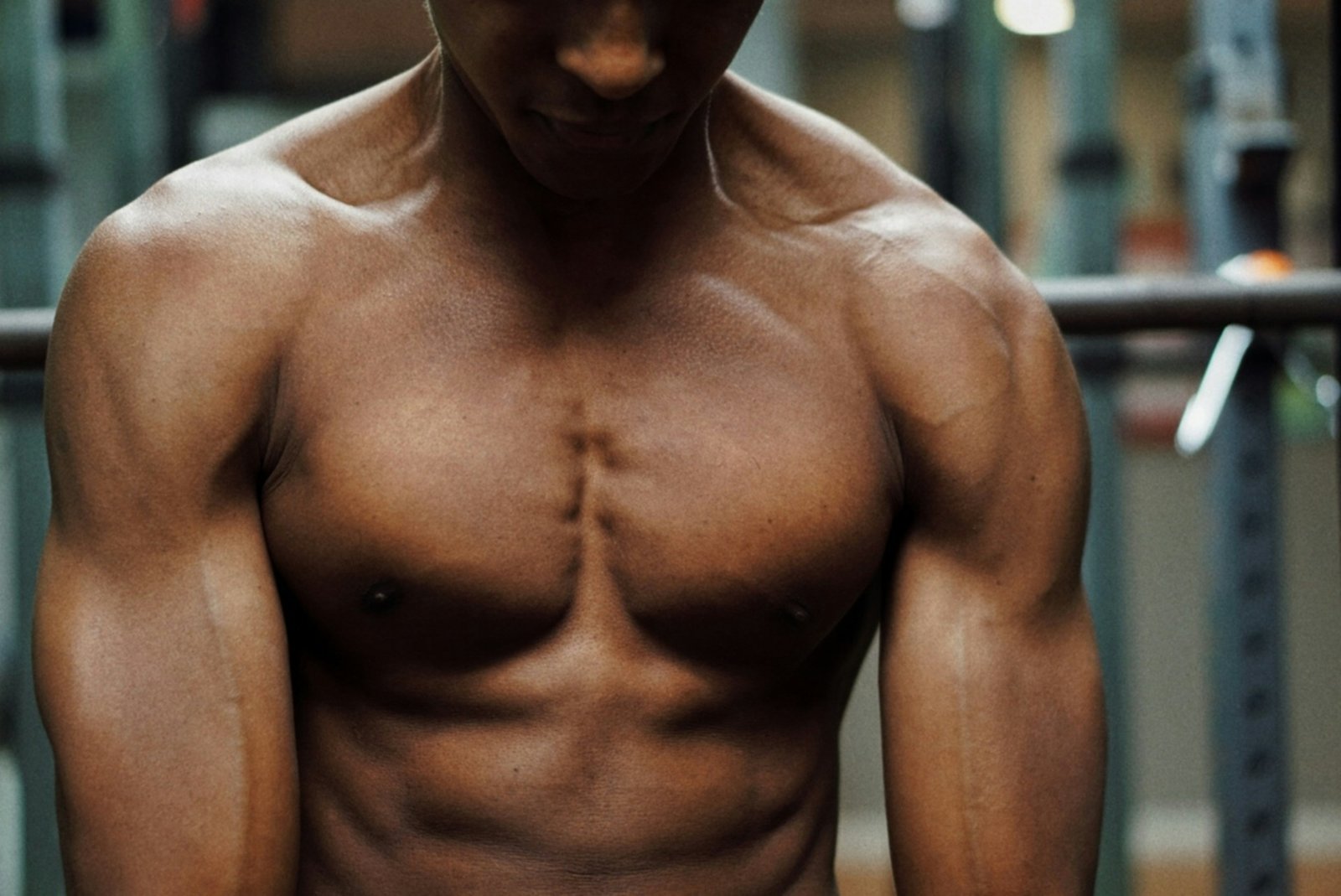
Many people assume that a strong core is something you can see in the mirror. Visible abdominal muscles are often treated as the ultimate sign of core strength. In reality, the appearance of your midsection tells only a small part of the story. Some people with highly defined abs struggle to stabilize their spine under load, while others with no visible six pack possess excellent core function and impressive athletic performance.
The core is far more than the rectus abdominis, the muscle commonly known as the six pack. It includes the transverse abdominis, internal and external obliques, multifidus, diaphragm, pelvic floor muscles, spinal erectors, and muscles around the hips that help create stability and transfer force throughout the body. Together, these muscles allow you to resist unwanted movement, maintain posture, protect the spine, and efficiently transfer force between the upper and lower body.

Research consistently shows that core function plays an important role in athletic performance, balance, injury prevention, and movement efficiency. However, many people underestimate their own core strength because they judge it using the wrong criteria. Being able to hold a plank for several minutes is not the only marker of a strong core. In fact, some of the best signs are visible in everyday movement and athletic performance.
If you can do the following things consistently, there is a good chance your core is stronger than you realize.
What Does a Strong Core Actually Mean?
Before looking at the signs, it helps to understand what scientists mean when they discuss core strength and core stability.
Core strength refers to the ability of the muscles around the trunk and pelvis to produce force. Core stability refers to the ability to control movement and maintain spinal alignment during dynamic activities. Both qualities work together. A strong core is not simply one that bends the spine powerfully. It is one that can resist excessive motion, transfer force efficiently, and maintain control under varying loads.
Research examining athletic populations has shown that effective core function contributes to improved movement quality, better balance, greater force production, and reduced injury risk. The core acts as a central link in the kinetic chain, helping forces generated by the legs transfer through the torso and into the upper body.
5 Signs You Are Actually Fitter Than You Think
This means that many indicators of core strength appear during movement rather than during isolated abdominal exercises.
Sign 1: You Can Maintain Excellent Posture Without Thinking About It
One of the clearest signs of a strong core is the ability to maintain good posture naturally throughout the day.
Why Posture Reflects Core Function
Posture is not simply about standing upright. It requires continuous low level activation of multiple muscles throughout the trunk and pelvis. The deep stabilizing muscles of the core help maintain spinal alignment while resisting gravity.

When these muscles are weak or poorly coordinated, people often compensate with excessive arching of the lower back, rounded shoulders, forward head posture, or frequent shifting between positions. Fatigue sets in quickly because passive structures such as ligaments and joints begin carrying loads that muscles should manage.
A stronger core allows the body to maintain efficient alignment with less conscious effort. The spine remains relatively neutral, breathing remains easier, and movement becomes more economical.
The Science Behind Postural Control
Studies investigating spinal stability have found that deep trunk muscles contribute significantly to postural control and segmental stabilization of the spine. Research also demonstrates that coordinated activation of the transverse abdominis and multifidus occurs before limb movement, suggesting the body prepares the trunk for stability before movement takes place.
This anticipatory stabilization helps maintain posture during both static and dynamic tasks.
Everyday Clues
If you can sit at a desk, drive, stand in a line, or walk for extended periods without developing significant lower back discomfort, your core may be functioning better than you think.
Likewise, if people frequently comment that you appear upright and balanced without consciously trying to improve your posture, that may reflect strong underlying trunk stability rather than simple habit.
Sign 2: You Stay Stable When Carrying Heavy Objects
Another surprisingly reliable sign of core strength is your ability to carry uneven or heavy loads without losing balance or posture.
The Core’s Role During Carrying Tasks
Whenever you carry groceries, luggage, a child, or sports equipment, your core must resist multiple forces acting on the spine.
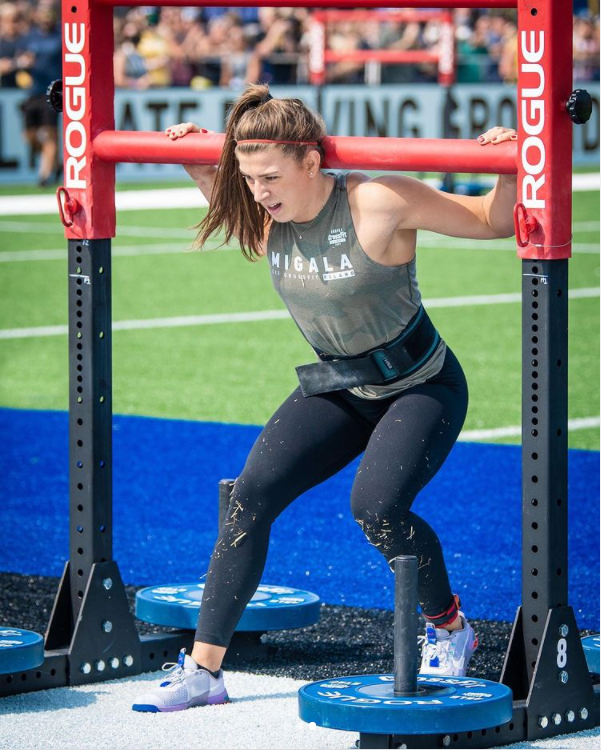
If you hold a heavy object on one side of your body, gravity attempts to pull your torso sideways. To stay upright, your obliques, quadratus lumborum, transverse abdominis, and other stabilizers must generate force to resist that movement.
This is known as anti lateral flexion. Similar demands occur during farmer’s carries, suitcase carries, and many daily activities.
Why This Matters
Modern research increasingly emphasizes that the primary role of the core is not producing movement but resisting unwanted movement. The ability to prevent excessive spinal motion while external forces act on the body is considered a key characteristic of functional core strength.
People with weaker core function often compensate by leaning dramatically, shifting their hips, or moving slowly and awkwardly when carrying loads. Those with stronger cores generally maintain a more upright posture and smoother gait.
Everyday Clues
Consider how you feel carrying several bags from the grocery store to your house. Do you remain balanced and upright, or do you feel pulled dramatically to one side? Can you carry a heavy suitcase through an airport without significant lower back fatigue? Can you hold a child on one hip while continuing to walk comfortably?
If the answer is yes, your core is likely contributing more than you realize.
Sign 3: You Have Good Balance, Even During Challenging Movements
Balance is often associated with the feet and ankles, but core strength plays a major role in maintaining stability.
The Connection Between Core Strength and Balance
Every time you stand on one leg, climb stairs, change direction, or react to an unexpected disturbance, your core helps keep your center of mass under control. The nervous system constantly integrates information from the visual system, vestibular system, and proprioceptors throughout the body. The core serves as a stable platform that allows this information to translate into effective movement.
Without adequate trunk stability, balance becomes much more difficult because the body lacks a reliable foundation from which to generate corrective actions.
What Research Shows
Numerous studies have demonstrated associations between core training and improvements in balance performance. Enhanced trunk control has been linked to better postural stability in athletes, older adults, and general populations.
Researchers suggest that improved neuromuscular control of the trunk helps minimize unnecessary movement and enhances the body’s ability to respond to balance challenges.
Everyday Clues
You may have stronger core muscles than you think if you can:
- Stand comfortably on one leg while putting on shoes.
- Navigate uneven terrain without constantly losing balance.
- Recover quickly from slips or stumbles.
- Maintain control during sports that involve cutting, jumping, or rapid changes of direction.
Many people attribute these abilities to coordination alone, but strong core function is often a major contributor.
Sign 4: You Can Generate Power Without Losing Control
Powerful movement and core strength are closely connected.
Force Transfer Through the Body
Whether you are sprinting, throwing, jumping, punching, rowing, swinging a golf club, or performing Olympic lifts, force must travel through the torso.
The core serves as the transmission system between the upper and lower body. If this link is weak, force leaks occur. Energy generated by the legs fails to transfer efficiently through the trunk. Athletes often focus on limb strength, but performance frequently depends on how effectively the core transmits force.
Research on Performance
Sports science research has repeatedly identified relationships between core function and athletic performance measures such as sprinting, jumping, throwing velocity, and overall movement efficiency.
While the exact contribution varies by sport, evidence suggests that trunk stability improves the transfer of force throughout the kinetic chain. Athletes with better core control often display greater efficiency during explosive actions.
Everyday Clues
You do not need to be a professional athlete to notice this sign. You may possess a stronger core than expected if you can:
- Sprint without excessive torso movement.
- Jump and land with control.
- Change direction quickly during sports.
- Lift heavy objects without your torso collapsing or twisting.
- Perform exercises such as squats, deadlifts, kettlebell swings, or push presses while maintaining good body position.
The key factor is not simply producing power. It is producing power while remaining controlled.
Sign 5: Your Lower Back Rarely Becomes the Limiting Factor
One of the most overlooked signs of strong core function is the absence of chronic lower back fatigue during normal activities.
Understanding the Relationship
The relationship between core strength and back pain is complex. Not all back pain results from weak core muscles, and not all people with strong cores are completely pain free.
However, the core does play a major role in spinal support. When trunk stabilizers function effectively, loads can be distributed more efficiently across the spine and surrounding tissues. This reduces the likelihood that passive structures will become overloaded during everyday movement.
What the Research Says
Research on spinal stability indicates that coordinated activation of trunk muscles contributes to spinal support and movement control. Exercise programs targeting core function have shown benefits for many individuals experiencing chronic nonspecific low back pain.
Scientists generally agree that trunk endurance, coordination, and stability are important components of spinal health.
Why Visible Abs Are Not the Best Measure of Core Strength
Many people underestimate their core because they lack visible abdominal definition. This misunderstanding is largely driven by social media and fitness marketing.
Visible abs are primarily influenced by body fat levels, genetics, muscle size, and lighting conditions. None of these factors necessarily reflect how effectively the core functions. Elite powerlifters, strongman competitors, wrestlers, and many athletes possess exceptional core strength despite not displaying highly defined abdominal muscles.
A person can have a visible six pack yet struggle with balance, spinal stability, and force transfer. Conversely, someone with little abdominal definition may possess remarkable trunk strength and control. Functional performance provides a much more accurate assessment than appearance.
How to Continue Building Core Strength
Even if you recognize several of these signs, there is always room for improvement.
Focus on Stability Before Complexity
Exercises that teach the body to resist unwanted movement often provide excellent benefits. Planks, side planks, bird dogs, dead bugs, and loaded carries help develop stability and endurance throughout the trunk.

Train the Core Through Compound Movements
Squats, deadlifts, overhead presses, rowing variations, pull ups, and kettlebell exercises challenge the core while training multiple muscle groups simultaneously. Research suggests that many compound exercises produce substantial activation of trunk musculature.
Do Not Neglect Breathing
The diaphragm is a key component of the core system. Proper breathing mechanics improve intra abdominal pressure and contribute to spinal stability. Learning to brace effectively while maintaining controlled breathing can enhance performance and support spinal health.
Build Endurance Alongside Strength
Core muscles spend much of their time stabilizing rather than generating maximal force. Endurance therefore plays a critical role. Developing the ability to maintain control over longer periods can improve both athletic performance and everyday function.
The Bottom Line
Many people assume they have a weak core simply because they cannot see their abs or because they struggle with traditional abdominal exercises. In reality, core strength is far more complex than appearance or the number of sit ups you can perform.
If you naturally maintain good posture, carry heavy objects without losing balance, display strong stability during challenging movements, generate power while remaining controlled, and rarely experience lower back fatigue during everyday activities, there is a good chance your core is stronger than you think.
A truly strong core is not defined by aesthetics. It is defined by function. It stabilizes the spine, transfers force efficiently, supports balance, and allows the body to move with confidence. These qualities often reveal themselves long before a six pack becomes visible.
Key Takeaways
| Sign | What It Suggests | Why It Matters |
|---|---|---|
| Good posture without effort | Strong trunk stabilization | Helps maintain spinal alignment and movement efficiency |
| Carrying heavy objects comfortably | Effective anti movement strength | Protects the spine during loaded tasks |
| Strong balance and coordination | Good neuromuscular control | Improves stability and reduces injury risk |
| Powerful movement with control | Efficient force transfer | Enhances athletic and functional performance |
| Minimal lower back fatigue | Effective spinal support | Supports long term movement health |
References
• Akuthota, V. and Nadler, S.F. (2004) ‘Core strengthening’, Archives of Physical Medicine and Rehabilitation, 85(3 Suppl 1), pp. S86-S92.
• Behm, D.G., Drinkwater, E.J., Willardson, J.M. and Cowley, P.M. (2010) ‘Canadian Society for Exercise Physiology position stand: The use of instability to train the core in athletic and nonathletic conditioning’, Applied Physiology, Nutrition, and Metabolism, 35(1), pp. 109-112.
• Borghuis, J., Hof, A.L. and Lemmink, K.A.P.M. (2008) ‘The importance of sensory motor control in providing core stability’, Sports Medicine, 38(11), pp. 893-916.
• Faries, M.D. and Greenwood, M. (2007) ‘Core training: Stabilizing the confusion’, Strength and Conditioning Journal, 29(2), pp. 10-25.
• Granacher, U., Schellbach, J., Klein, K., Prieske, O., Baeyens, J.P. and Muehlbauer, T. (2014) ‘Effects of core strength training using stable versus unstable surfaces on physical fitness in adolescents’, BMC Sports Science, Medicine and Rehabilitation, 6(40), pp. 1-11.
• Hibbs, A.E., Thompson, K.G., French, D., Wrigley, A. and Spears, I. (2008) ‘Optimizing performance by improving core stability and core strength’, Sports Medicine, 38(12), pp. 995-1008.
• Hodges, P.W. and Richardson, C.A. (1997) ‘Contraction of the abdominal muscles associated with movement of the lower limb’, Physical Therapy, 77(2), pp. 132-142.
