

Turning 30 does not mean your best physical years are behind you. It does mean your approach to training needs to evolve. What worked in your early twenties often stops delivering results. Recovery slows down. Small aches linger longer. Progress requires more intention.
The upside is that science is very clear on what works. With the right structure, you can build muscle, stay lean, and improve performance well into your forties and beyond. This article breaks down three essential gym rules every man over 30 should follow, with practical guidance grounded in research.
Rule 1: Build and Maintain Strength with Purpose
Strength training becomes the cornerstone of your fitness after 30. It is not just about looking muscular. It is about preserving your body’s function and resilience.
Muscle Loss Is Real but Preventable
Starting in your thirties, you begin to lose muscle mass in a gradual process known as sarcopenia. This decline is not dramatic at first, but over time it adds up. Loss of muscle affects metabolism, strength, and long term health.
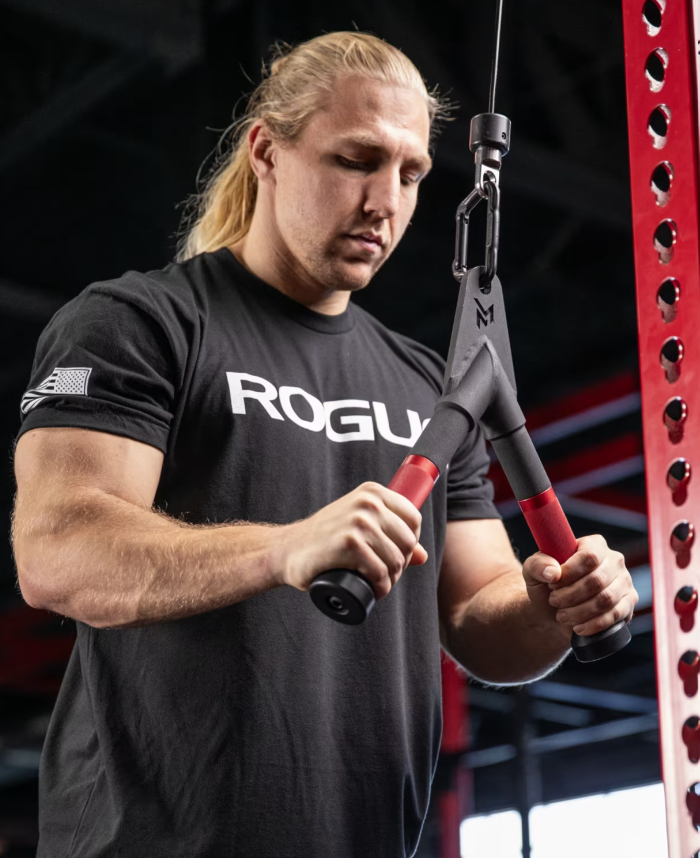
Research shows that resistance training can effectively reverse or slow this process. Even individuals in later decades of life can gain muscle and strength when they follow structured programs.
Progressive Overload Drives Results
Your body adapts only when it is challenged. Progressive overload is the principle that ensures continued progress. This means gradually increasing the demands placed on your muscles over time. You can apply progressive overload by:
- Adding weight to your lifts
- Increasing repetitions or total volume
- Improving movement quality and control
- Reducing rest intervals in a structured way
Consistent progression is what separates effective training from maintenance.
Focus on Compound Movements
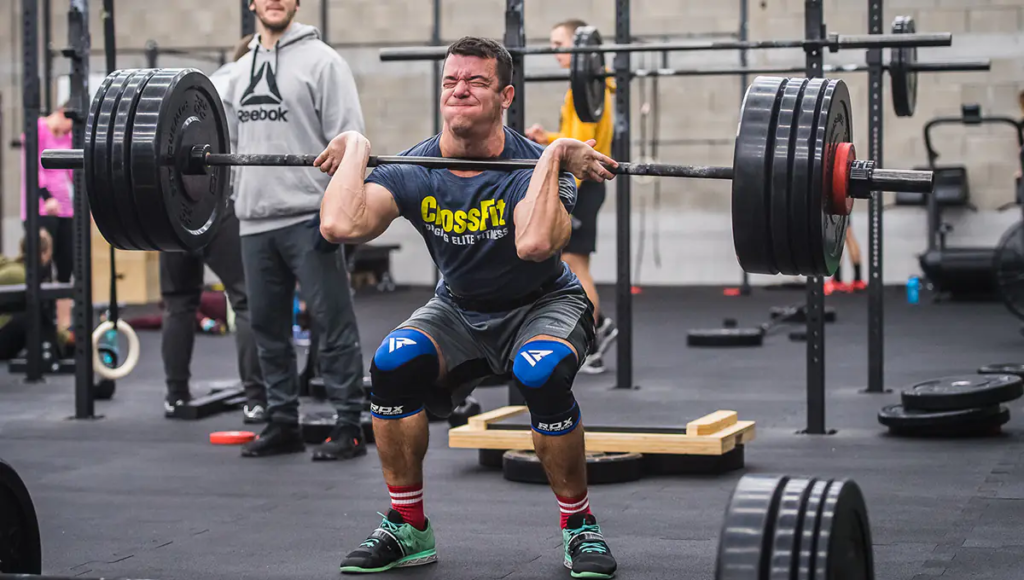
Compound exercises recruit multiple muscle groups and provide the most return on your effort. They also support functional strength that carries over into daily life. Key lifts to prioritize include:
- Squats
- Deadlifts
- Bench press
- Rows
- Overhead press
Research consistently shows that multi joint movements stimulate greater muscle activation and hormonal responses compared to isolation exercises.
Train Each Muscle Group Frequently Enough
Training frequency matters. Evidence suggests that hitting each muscle group at least twice per week leads to better hypertrophy compared to once per week. This does not mean you need to train every day. It means structuring your week so that each muscle receives repeated stimulus with adequate recovery.
Recovery Is Not Optional
Recovery capacity decreases slightly with age. This makes it more important to plan rest intentionally. Sleep is a major factor. Without enough sleep, muscle repair and hormone regulation suffer. You should aim for consistent sleep patterns and sufficient duration. You also need to manage training volume. More is not always better. Excessive volume without recovery leads to fatigue and stalled progress.
Technique Becomes More Important
Poor form that you might have tolerated in your twenties can lead to injury in your thirties. Focus on controlled repetitions and proper alignment. Lifting slightly lighter with better form is far more effective than chasing numbers with poor mechanics.
Summary of Rule 1
- Strength training counters age related muscle loss
- Progressive overload is essential for growth
- Compound movements deliver the most benefit
- Recovery and technique become increasingly important
Rule 2: Train Smart to Stay Injury Free and Consistent
Consistency is the most important factor in long term fitness. You cannot stay consistent if you are constantly injured or burned out.
High Intensity Has Limits
Training hard feels productive, but pushing to maximum effort every session is not sustainable. Research on overtraining shows that excessive intensity without recovery leads to fatigue, reduced performance, and increased injury risk. After 30, your body does not bounce back as quickly from extreme stress. This does not mean you should avoid intensity. It means you should use it strategically.
Use a Balanced Approach to Effort
A well designed program includes a mix of challenging and moderate sessions. Not every workout should leave you exhausted. Using perceived effort can help. Many successful programs keep most sets a few repetitions away from failure rather than pushing to absolute limits every time. Studies show that this approach can produce similar muscle and strength gains while reducing fatigue.

Schedule Deloads
Deload weeks are periods where you intentionally reduce training volume or intensity. They allow your body to recover and adapt. Including a deload every few weeks can improve long term progress and reduce injury risk. This is especially useful as you get older and accumulate more training stress.
Mobility Supports Longevity
Joint health becomes a priority over time. Tight hips, stiff shoulders, and limited ankle mobility can affect performance and increase injury risk.
Mobility work helps maintain range of motion and movement quality. It does not need to be complicated. Simple dynamic warm ups and targeted mobility drills can make a significant difference. Research shows that maintaining flexibility and joint function supports better movement patterns and reduces injury risk.
Do Not Skip Cardiovascular Training
Cardio is often overlooked by those focused on strength, but it plays a key role in overall health. Aerobic exercise improves heart health, supports recovery, and enhances endurance. It also contributes to better metabolic function. A combination of moderate steady sessions and occasional higher intensity intervals is effective. You do not need excessive cardio, but you do need some.
Learn to Recognize Warning Signs
Your body gives feedback. Ignoring it leads to setbacks. Pay attention to:
- Persistent joint discomfort
- Decreasing strength or performance
- Poor sleep quality
- Constant fatigue
Adjusting your training early can prevent long term problems.
Summary of Rule 2
- Constant maximum intensity increases injury risk
- Balanced training improves sustainability
- Mobility work supports joint health
- Cardio enhances overall fitness and recovery
Rule 3: Dial In Nutrition and Recovery for Maximum Results
Training creates the stimulus. Nutrition and recovery determine the outcome. This becomes more important with age.
Protein Needs Increase with Age
As you get older, your muscles become less responsive to protein intake. This is known as anabolic resistance. To overcome it, you need higher protein intake. Research suggests that consuming around 1.6 to 2.2 grams of protein per kilogram of body weight supports muscle growth and maintenance. Equally important is distribution. Spreading protein intake across meals helps maximize muscle protein synthesis.

Energy Balance Controls Body Composition
Whether you gain muscle or lose fat depends largely on calorie intake. If you consistently eat too little, your body struggles to build muscle. If you eat too much, fat gain becomes inevitable. The goal is to match your intake with your objective. A slight surplus supports muscle gain, while a controlled deficit supports fat loss.
Sleep Drives Recovery and Hormones
Sleep is one of the most powerful recovery tools available. During sleep, your body repairs tissue, regulates hormones, and prepares for the next day.
Sleep deprivation negatively affects muscle protein synthesis and reduces testosterone levels. It also impairs performance and increases fatigue. Consistency matters as much as duration. Going to bed and waking up at similar times helps regulate your internal clock.
Stress Management Matters More Than You Think
Chronic stress elevates cortisol, a hormone that can interfere with muscle growth and promote fat storage. Managing stress is not just about mental health. It directly impacts physical performance and recovery. Simple strategies such as walking, breathing exercises, and time outdoors can help regulate stress levels.
Hydration and Micronutrients
Hydration supports nearly every physiological process involved in training and recovery. Even mild dehydration can reduce strength and endurance. Micronutrients such as vitamin D, magnesium, and zinc also play roles in muscle function and recovery. A balanced diet usually covers these needs, but deficiencies can impact performance.
Evidence Based Supplements
Some supplements are well supported by research and can complement your training:
- Creatine monohydrate improves strength and muscle mass
- Protein supplements help meet daily intake goals
- Vitamin D supports bone health and immune function
These are not magic solutions, but they can be useful additions when used correctly.
Summary of Rule 3
- Higher protein intake helps overcome anabolic resistance
- Calorie balance determines muscle gain or fat loss
- Sleep is essential for recovery and hormone health
- Stress management supports performance and consistency
Putting These Rules Into Practice
Applying these rules does not require a complicated routine. It requires consistency and awareness. A simple weekly structure might include strength training three to four times per week, a couple of cardio sessions, and regular mobility work. Rest days should be planned, not accidental.
Over time, small improvements compound. Adding a bit of weight to your lifts, improving your sleep habits, and managing stress more effectively all contribute to long term progress.
The Long Term Perspective
Your thirties are not the time to chase short term extremes. They are the time to build a sustainable system. Research consistently shows that individuals who maintain regular exercise habits experience better health outcomes, lower risk of chronic disease, and improved quality of life as they age. The goal is not just to look good now. It is to stay strong, capable, and healthy for decades.
Final Thoughts
Training after 30 is about precision. You need to be more intentional with how you train, recover, and fuel your body. Follow these three rules:
- Build strength with progressive overload
- Train smart to stay consistent and injury free
- Optimize nutrition and recovery
If you apply them consistently, you will not just maintain your physique. You will improve it in a way that lasts.
References
- American College of Sports Medicine (2009) ‘Progression Models in Resistance Training for Healthy Adults’, Medicine and Science in Sports and Exercise, 41(3), pp. 687 to 708.
- Morton, R.W. et al. (2018) ‘A systematic review, meta analysis and meta regression of protein supplementation on resistance training induced gains’, British Journal of Sports Medicine, 52(6), pp. 376 to 384.
- Phillips, S.M. (2014) ‘A brief review of critical processes in exercise induced muscular hypertrophy’, Sports Medicine, 44(Suppl 1), pp. S71 to S77.
- Schoenfeld, B.J., Ogborn, D. and Krieger, J.W. (2016) ‘Effects of resistance training frequency on muscle hypertrophy’, Sports Medicine, 46(11), pp. 1689 to 1697.
- Kraemer, W.J. and Ratamess, N.A. (2004) ‘Fundamentals of resistance training’, Medicine and Science in Sports and Exercise, 36(4), pp. 674 to 688.
