

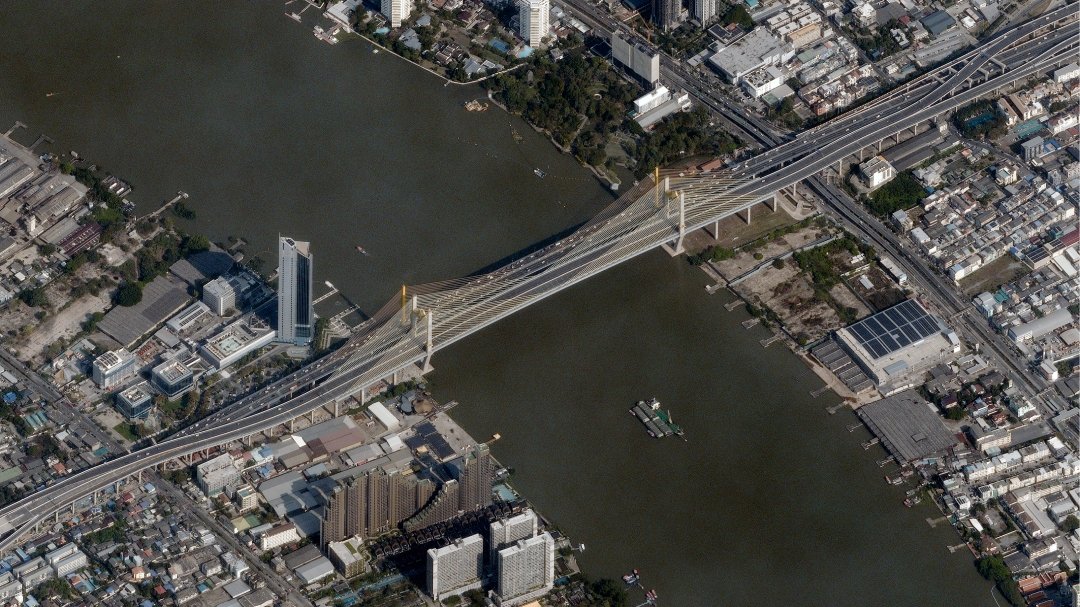
Across the Asia-Pacific, defense and intelligence (D&I) organizations are expanding their use of commercial space-based intelligence to support persistent monitoring, maritime domain awareness and regional security operations.
As satellite constellations grow and analytics platforms mature, commercial Earth observation (EO) is no longer simply augmenting national capabilities—it is increasingly embedded within operational workflows. This shift raises an important question for planners and policymakers alike: what happens when a capability originally designed as supplemental access becomes a foundational layer of the intelligence architecture itself?
For most of the commercial space era, EO was treated as access. Expanded coverage, adding surge capacity and filling gaps that national systems couldn’t reach. If a collection slipped or failed, missions adjusted. It was valuable precisely because it supplemented sovereign capabilities without assuming the operational burden itself.

That model no longer reflects reality.
Across D&I organizations, commercial EO is now embedded in persistent monitoring programs, automated analytics platforms and time-sensitive decision-making workflows. It feeds targeting cycles, supports coalition operations and underpins AI-driven detections at scale. The capability has moved from supplemental input to operational dependency and, in doing so, has crossed the threshold from commodity to infrastructure.

BlackSky recognizes this, and it is advancing approaches to introduce certainty into commercial ISR delivery. By shifting the focus from mere access to outcome, predictability, defense and intelligence organizations gain greater confidence and integrating space-based imagery into mission planning and execution. Learn how BlackSky is redefining reliability in commercial ISR here.
