


There’s something quietly hilarious about how turn-based games, slow, methodical, numbers-driven, allegedly “unsexy,” are sitting on some of the richest storytelling material gaming has ever produced, while Hollywood keeps rebooting the same safe nonsense for the fifteenth time.
These games already think in episodes. They already live on character arcs, moral compromises, long-term consequences, and the slow burn of tension. If anything, turn-based games are overqualified for television.
So no, this isn’t a ranked list, no “number one would totally break Netflix” nonsense. These are ten games, unordered, unapologetic, that feel like they were accidentally written as prestige TV and just happened to ship as games instead.
Give them writers, time, and the courage to let characters fail, and you’ve got series people would actually talk about instead of background-noising while scrolling their phones.
XCOM (Enemy Unknown / XCOM 2)
XCOM would work best as a resistance story where strategy is the main source of drama. The commander is not a superhero. They are a manager of limited intel, limited time, and people who can die on a bad roll.
Enemy Unknown gives you the early panic, the political pressure, and the ugly math of choosing which region gets help. XCOM 2 adds the occupation angle, with propaganda, collaborators, and cells that operate on scraps.
Episodes can follow a squad on a mission, then cut back to the base where the real cost shows up in injuries, fatigue, and decisions that trade one problem for another. The hook is simple. Nobody is safe, and winning often feels like damage control.
The Banner Saga
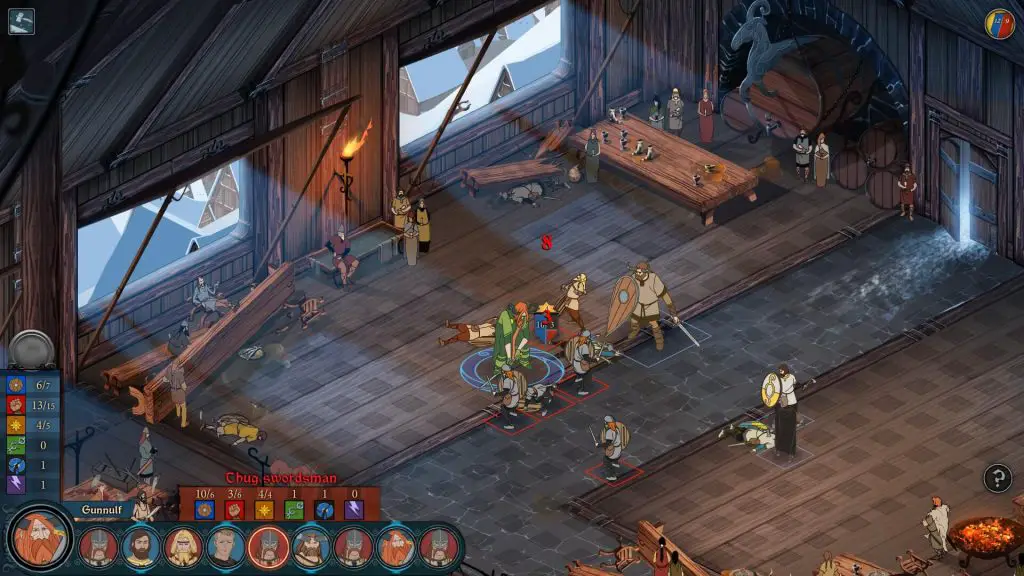
The Banner Saga feels like it was written for a limited series, and animation would keep its harsh, painted look intact.
The story is a long retreat where leadership is less about speeches and more about rationing, morale, and damage control. Combat is important, but the pressure comes from the road. People get tired, scared, and divided, and every choice leaves a mark that shows up later when you are already running low on options.
The cast can change without the story collapsing, because the point is endurance, not a single hero. If an adaptation keeps that slow burn and lets decisions hurt, it could land as a bleak, character-driven season that does not need big set pieces to hit hard.
Final Fantasy Tactics
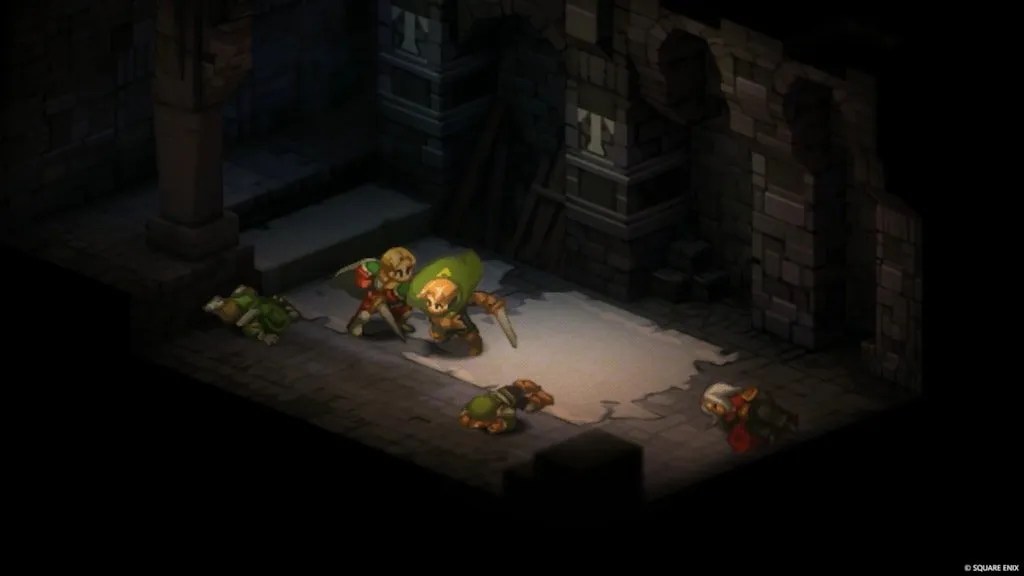
Final Fantasy Tactics has the kind of political story that TV adaptations keep chasing, with class conflict, religious power, and people getting used as symbols.
The war is the backdrop, but the real fight is over who controls the narrative and who gets erased from it. A series could lean into the slow betrayals and the quiet deals that shape the battlefield long before swords come out.
Ramza works as a lead because his arc is not about rising to power. It is about watching how power actually moves, then choosing what it costs to stand apart from it. Keep the tone serious, give it room to breathe, and it plays like a grounded historical drama with fantasy layered on top.
Shadowrun (Returns / Dragonfall / Hong Kong)

Shadowrun already feels episodic because the setting is built around jobs. A team gets hired, a plan gets messy, and everyone has their own angle on what “getting paid” is worth. The trilogy format helps, too.
Returns, Dragonfall, and Hong Kong each center on a different city with its own power structures, which makes it easy to treat every season as a new crew and a new problem while the wider world stays consistent. The trick is tone. It works when it stays street level, with magic and cyberware treated like tools that come with side effects, not superhero flair.
If an adaptation leans into the grime, the double crosses, and the small human stakes behind corporate violence, Shadowrun could run for years without burning its setting out.
Baldur’s Gate 3
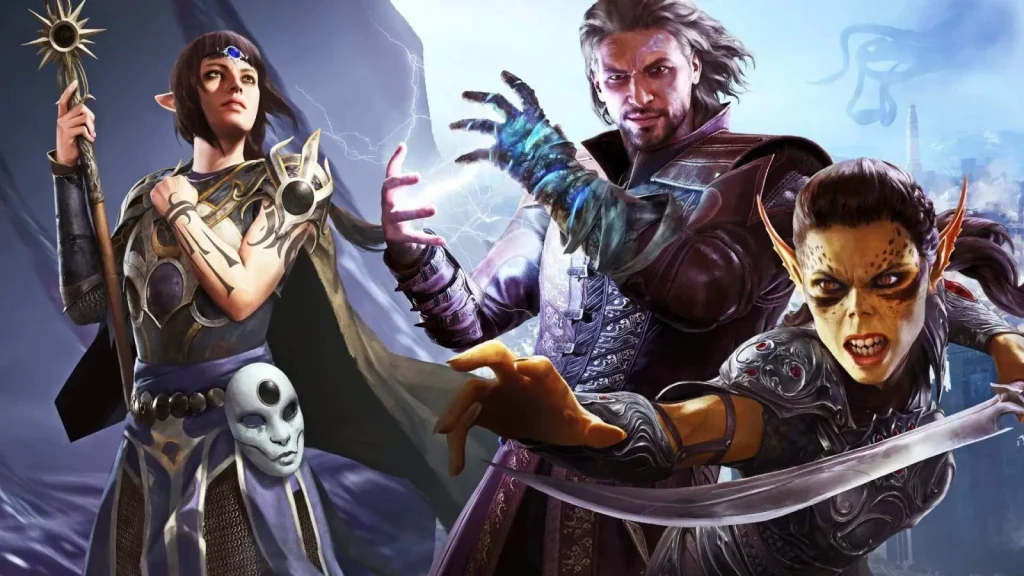
Baldur’s Gate 3 makes sense as a series because the companions are the hook, not the main quest. The tadpole gives the show a clean, long arc, but the real momentum comes from a party of strangers trying to function while each of them is hiding something.
The best scenes in the game are talks at camp, arguments after a bad call, and the moments where someone’s trauma leaks into the group dynamic.
A TV version would work if it keeps that focus and treats combat as punctuation. Give each companion room for their own season level arc, let trust build and break, and you have a character-driven fantasy drama that can keep stakes high without always going bigger.
Persona 5 Royal

Persona 5 Royal almost comes pre-cut for TV because it runs on a calendar loop with clear arcs. Each Palace is a case, a villain, and a theme, and the fallout feeds back into the group’s real lives.
The adaptation should not rush to the flashy beats. The daily routine is what makes the cast click, and it is where the stakes feel personal. Relationships form through small choices, awkward conversations, and the pressure of balancing school, work, and secrecy.
If a series keeps that rhythm, the supernatural parts land harder because they reflect what the characters are carrying, not because they look stylish.
Chrono Trigger
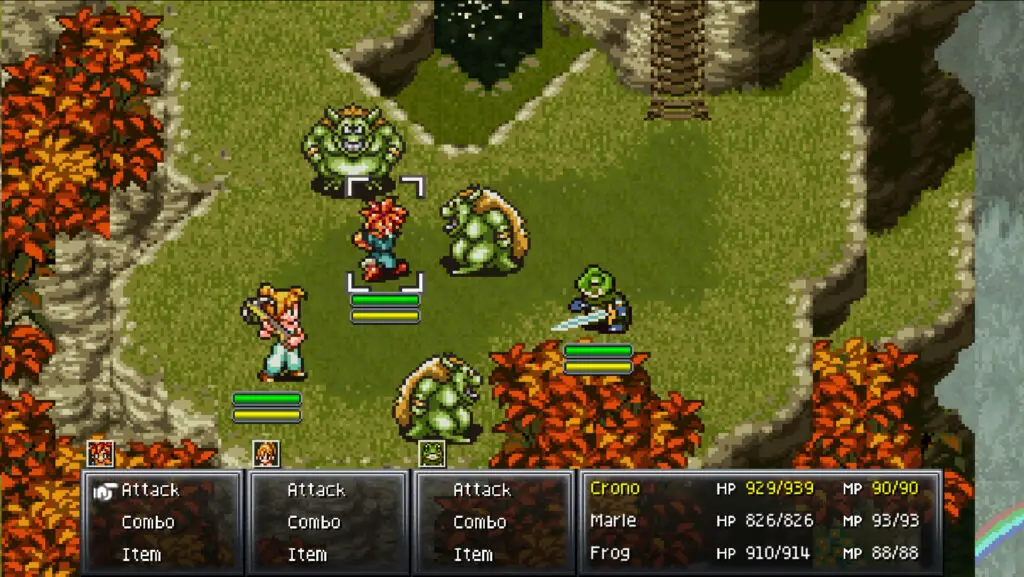
Chrono Trigger holds up because its time travel is about consequences. Each era has its own stakes, and the story keeps circling back to what gets changed, what stays broken, and what people choose to sacrifice.
That structure fits TV well because episodes can live in one time period with a clear goal, then carry emotional fallout forward. The cast is also built for a season format. They are not just along for the ride. They become anchors across timelines, and their growth comes from seeing the results of their actions in places they did not expect.
If an adaptation treats time as responsibility and keeps the tone focused, it could avoid the usual time travel mess and still feel big.
Mutant Year Zero: Road to Eden
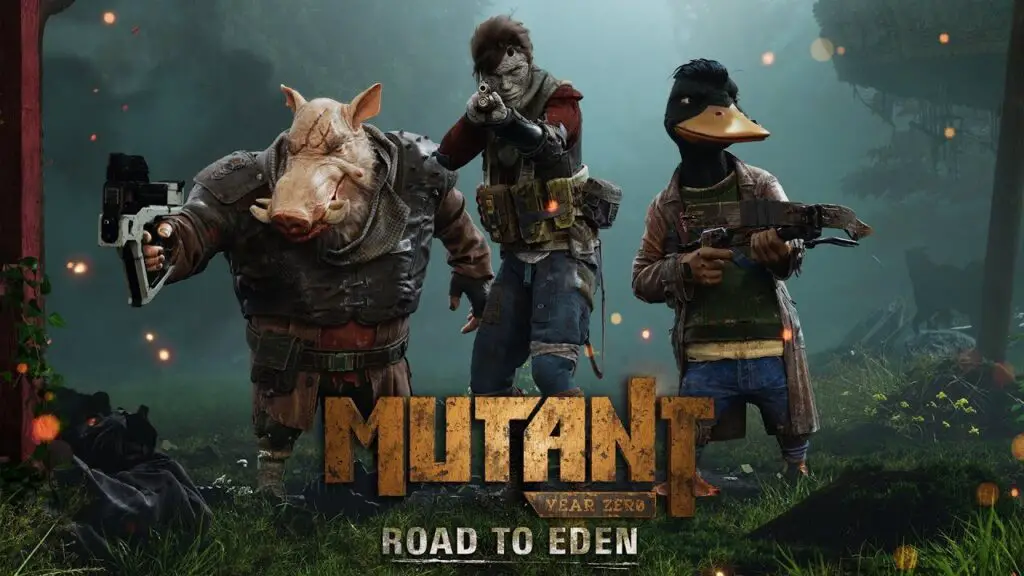
Mutant Year Zero would work as a tight, atmospheric series that treats survival as the main conflict.
The Ark gives you a fragile home base full of politics and desperation, and every trip into the Zone feels like a risk you might not recover from. The setting is quiet and decayed, which helps a show lean on tension, scouting, and sudden violence when a plan breaks.
The cast also fits the format. Mutants with rough edges, trust issues, and a lot of baggage, pushed into teamwork because the alternative is getting erased out there. Keep it grounded, keep the pace patient, and let the mystery of the old world surface in pieces; it could land as post-apocalyptic drama that does not need constant spectacle.
Jagged Alliance 3

Jagged Alliance 3 has a built-in TV structure because the mercs are the story. You hire a team, then you deal with the personalities you brought into the field.
Plans fall apart fast, people argue mid-operation, and loyalty is never guaranteed when money is on the table. A series could follow a rotating roster of hired guns moving through the same campaign, with some faces sticking around and others disappearing when the job gets too hot.
The tone can swing between dark humor and real consequences without breaking the setting, because the comedy comes from people coping badly. If an adaptation keeps it messy and character-driven, it becomes a war story where the squad chemistry is the main hook.
Yakuza: Like a Dragon
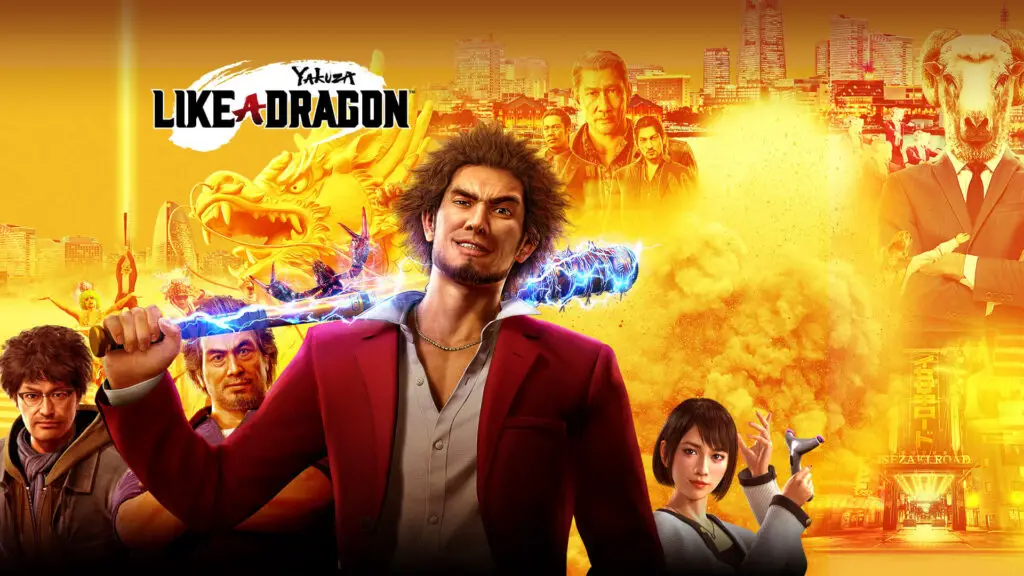
Yakuza: Like a Dragon would translate well because it is a character story first, and the city does a lot of the work.
Ichiban is an easy lead to follow for multiple seasons, since he keeps pushing hope into situations that do not reward it. The party matters too. The turn-based framing in the game fits the narrative focus on teamwork and people covering each other’s weaknesses.
A series could balance crime drama with the weird side quests style detours, as long as the emotional core stays grounded. When it hits, it hits because it cares about broken adults trying to rebuild a life.
Final Thoughts
And if I’m being honest, removing the critic hat, the hypothetical producer brain, and all the polite analysis, there are a few of these worlds I would selfishly want to sit down and watch week after week without blinking.
XCOM would be at the top of that list without hesitation. Not because it’s flashy, but because it understands failure better than most television ever has. I want to see commanders crack under pressure, soldiers disappear mid-season, victories that feel hollow because the cost was too high.
I want a series that isn’t afraid to let an entire plan implode because one person panicked at the wrong moment. XCOM is about surviving the consequences of leadership, and that’s a story television almost never tells honestly.
Right behind it, Mutant Year Zero feels like it’s begging for a quiet, restrained adaptation that trusts atmosphere over noise. I don’t want explosions every episode. I want long walks through dead zones, arguments over food, revelations that make characters question whether survival was even worth it.
That world works because it’s small, ugly, and personal, and those are exactly the kinds of post-apocalyptic stories that linger longer than big-budget shows. Give me mutants with baggage, societies built on lies, and a slow uncovering of what humanity actually left behind. That’s not just good TV, that’s the kind people remember.
And Shadowrun? Shadowrun is the one that could go on forever if handled correctly. Different crews, different cities, different seasons, all under the same broken corporate sky. You could tell street-level crime stories, political conspiracies, personal tragedies, and supernatural horror without ever exhausting the setting.
It’s flexible in a way most franchises only pretend to be. I don’t want a glossy cyberpunk theme park. I want grime, desperation, and magic treated as problems rather than gimmicks, and characters who know the system is rigged but still take the job because rent is due. That’s the kind of world television can live in comfortably if it stops chasing mass appeal and starts trusting specificity.
That’s really the common thread here. Turn-based games don’t panic. They don’t rush. They don’t feel the need to entertain you every second. They assume you’re paying attention. They let tension build, let silence do the work, and let consequences stack up slowly until you realize you’re in deeper than you thought.
That’s exactly what great television used to do, and what it could do again if it stopped treating game adaptations like fast food and started treating them like long-form storytelling opportunities.
These games don’t need to be “fixed” for TV. They need to be respected. Give them time, give them writers who aren’t afraid of complexity, and give them the courage to let characters fail without immediately rewarding them. If that ever happens, turn-based games will quietly outclass most of what’s already on screen.
