


In early February, UK Defence Intelligence confirmed that Russia conducted a major multi-weapon strike on Ukraine, using long-range bombers, over 60 ballistic and cruise missiles, 450 one-way attack drones, and hypersonic missiles.
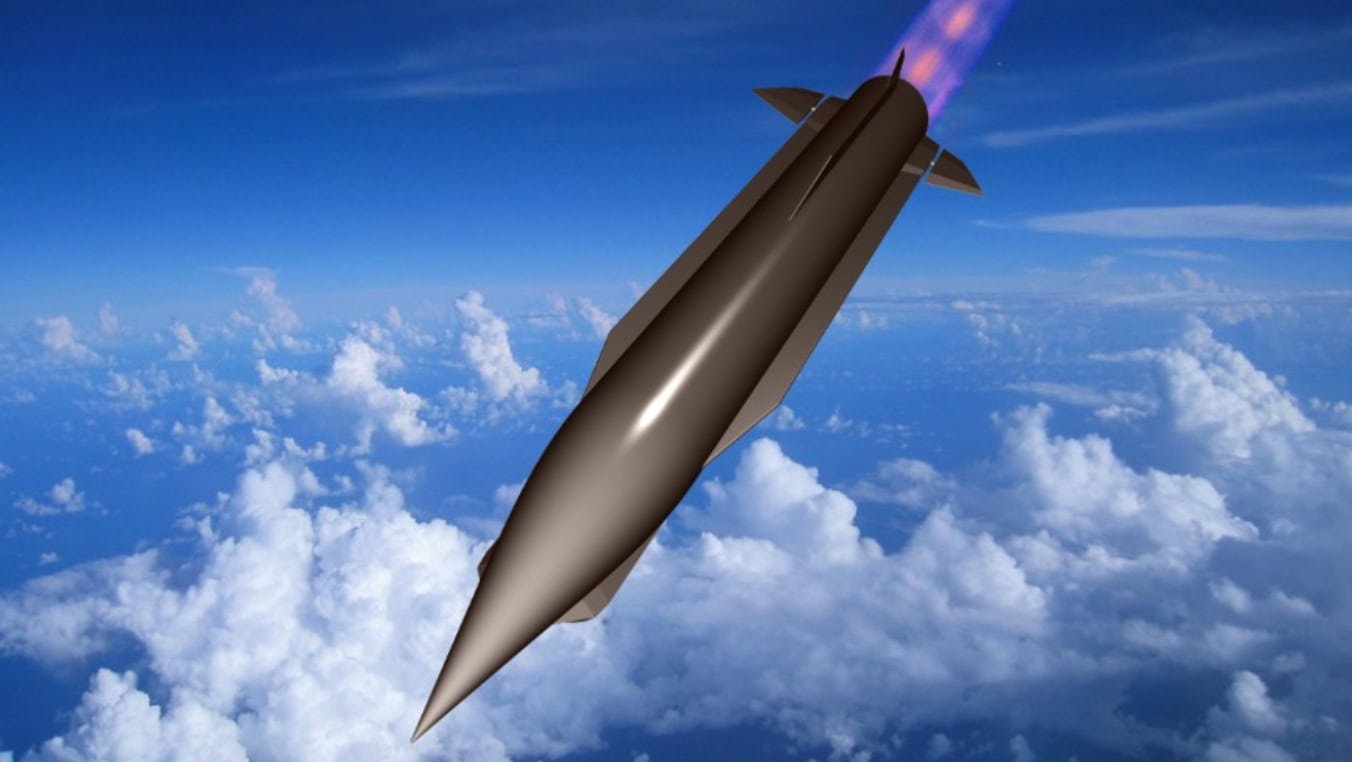
At the same time, the UK has announced that it will spend over £400 million this financial year on hypersonic and long-range weapons, including joint projects with France, Germany, and Italy.
Britain is progressing the Stratus joint missile programme with France and Italy leading the development of a next-generation stealth replacement for the Storm Shadow missile. Stratus, which is developing both stealth and high-speed missile variants, will be able to defeat high-value targets, destroy enemy ships, and suppress enemy air defences.
Also, the UK’s new long-range weapon programme with Germany is progressing, with a new joint study phase about to begin, accelerating both future stealth and hypersonic weapons. This follows the landmark UK-Germany Trinity House Agreement, signed in the first months of the Government in 2024.
The new system, known as Deep Precision Strike, will have a range of over 2,000 km and be among the most advanced systems ever designed by the UK, entering service in the 2030s.
A £12 million Industry Mission Partner contract has been awarded to the UK branch of the US company Amentum by Team Hypersonics UK, established to deliver the UK MoD’s ambition to field a Hypersonic Strike Capability by the end of the decade and to bolster collaboration with Australia and the United States under the AUKUS agreement. In 2024, the Australian company Hypersonix Launch Systems also reached an agreement with the UK MoD to develop missile technology, a year after it reached an agreement with the United States to launch its hydrogen-powered 3.5-metre-long DART test vehicle.

The UK has selected 90 industrial companies and research institutions under its Hypersonic Technologies & Capability Development Framework programme to participate in a tender for contracts worth a total of £1 billion, aimed at advancing hypersonic technologies.
by David Oliver
