


Saudi Arabia is the focus of several rival combat aircraft manufacturers, with high stakes for all of them.
Following his recent visit to the Kingdom, US President Donald Trump confirmed the sale of 48 F-35 Lightning II fighter aircraft to Saudi Arabia and the signing of a large-scale defence agreement – on certain conditions. American diplomats have continued to demand clear information from Riyadh about its military and technical contacts with other countries in the region. The Trump administration seeks to secure the status of the United States as the sole supplier of weapons to the Kingdom.
However, the UK’s BAE Systems remains confident that Saudi Arabia will place a long-delayed follow-on order for the Eurofighter Typhoon, as Riyadh also eyes a possible future role in the currently three-nation Global Combat Air Programme, which may be the price for another Typhoon purchase.

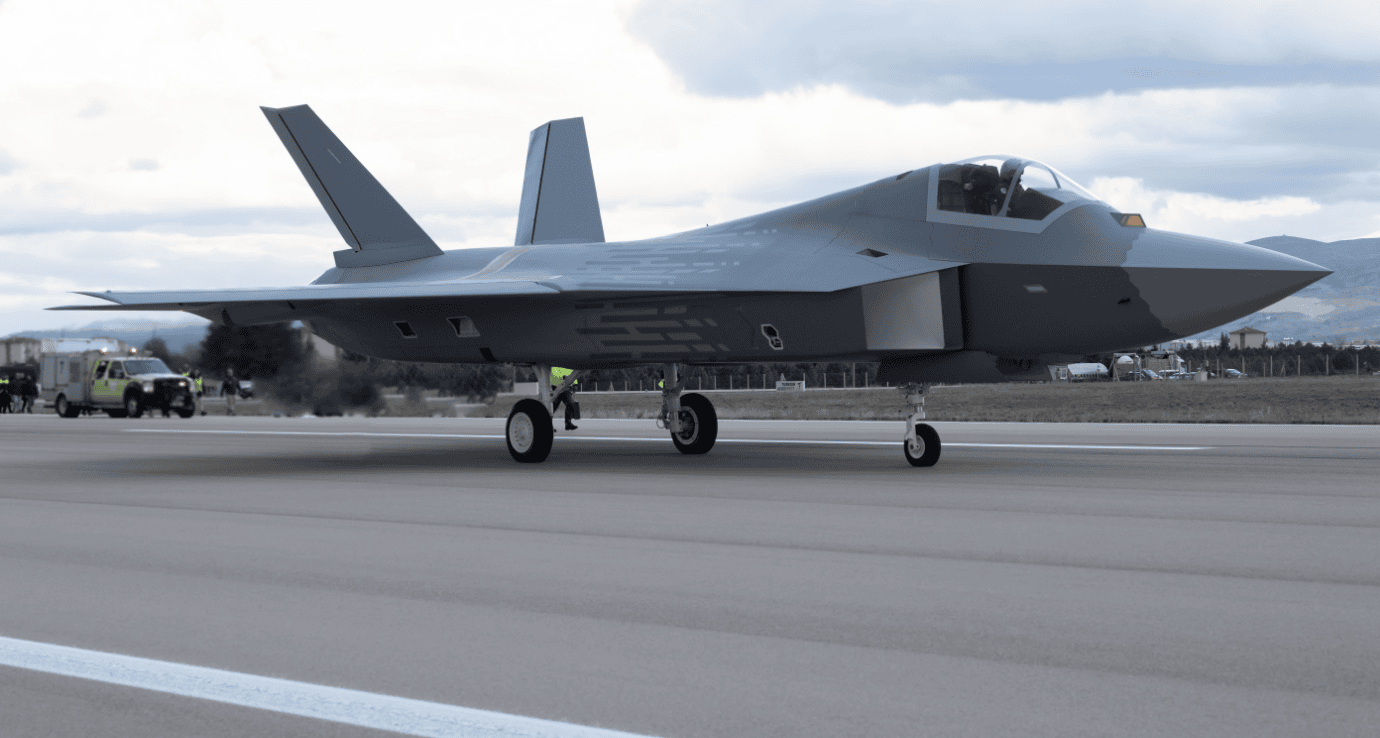
At the same time, negotiations between Saudi Arabia and Türkiye on the Kaan fighter programme have reportedly reached an advanced stage and may lead to an agreement in 2026, with the possibility of procuring up to 100 fifth-generation Kaan fighter aircraft from Turkish Aerospace Industries (TAI). TAI also signed a long-term memorandum of understanding with the Saudi Ministry of Investment and the General Authority for Military Industries (GAMI) to explore the final assembly of its Gökbey multi-role helicopter in the Kingdom.
However, as the Kaan will be powered by General Electric F110 engines, the US may take steps to prevent Türkiye from selling it to Saudi Arabia.
President Trump may also be disappointed by Saudi Arabia’s decision to order four C-27J Maritime Patrol Aircraft (MPA) from Leonardo, marking the first time this aircraft will be used in an armed maritime patrol role, a role for which the US Boeing P-8 Poseidon was designed. Deliveries are expected to begin in 2029, and the C-27J MPAs will be equipped for anti-ship and anti-submarine warfare, as well as search and rescue missions.

by David Oliver
