

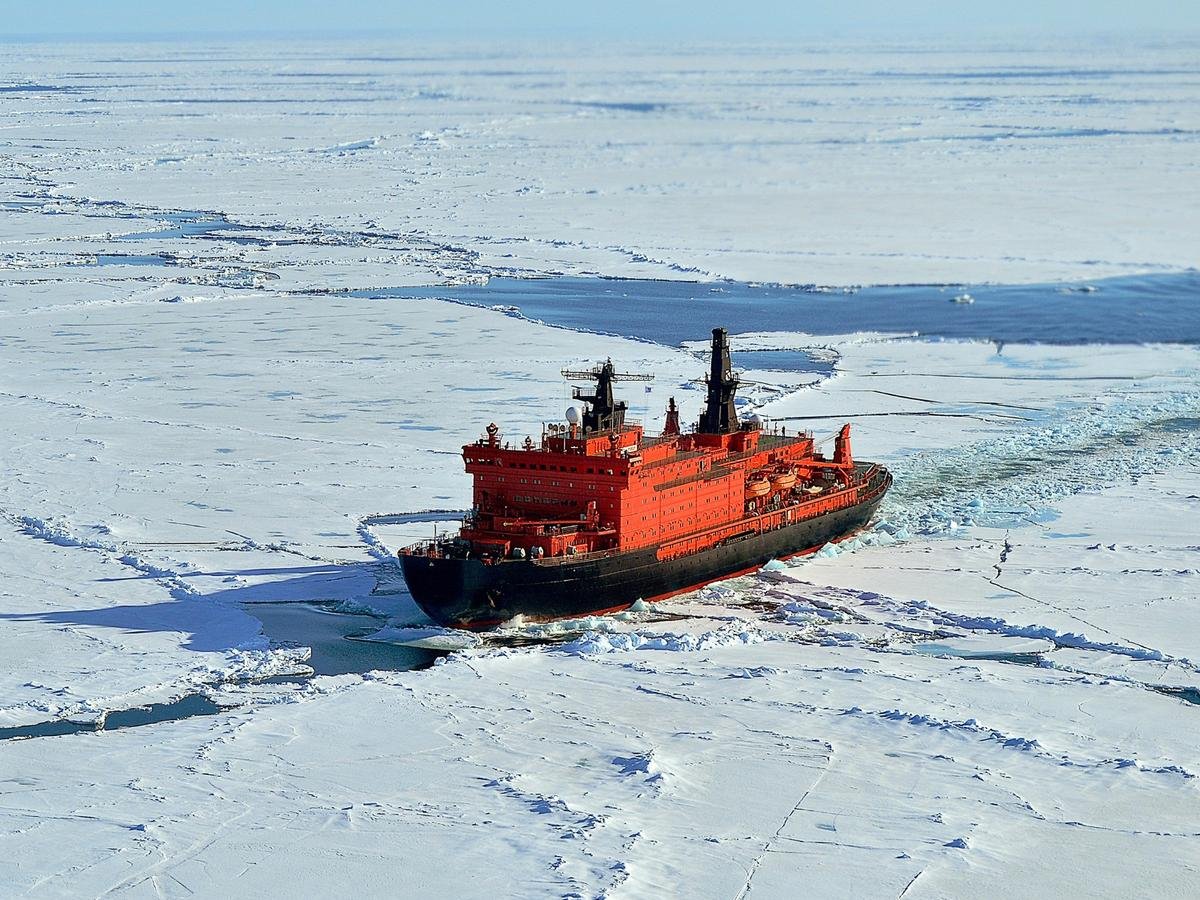
In recent decades, the High North has played an increasingly important role in Russian strategic thinking. The region hosts an array of Russian military capabilities, including many of the country’s nuclear assets; provides a rich resource base for the Russian economy; and offers a gateway to strategically important sea lines of communication and transit routes that Russia expects will become increasingly contested because of the effects of climate change. Meanwhile, the accession of Finland and Sweden to the North Atlantic Treaty Organization (NATO)—on April 4, 2023, and March 7, 2024, respectively—has more than doubled Russia’s land border with the NATO alliance. This has contributed to changes in Russian perceptions of the risk of escalation and military confrontation in the High North, prompting shifts in Russia’s stated strategic objectives and military posture in the region.
In light of these changes in the security environment, RAND researchers examined Russian perspectives of the High North and considered the risk of escalation in the region in the coming years. They identified a variety of escalation scenarios involving a conflict between Russia and the West in the High North and conducted virtual workshops with experts on Russian foreign policy and Arctic affairs to analyze these scenarios and identify factors that could escalate or mitigate the situation.
This publication is part of the RAND research report series. Research reports present research findings and objective analysis that address the challenges facing the public and private sectors. All RAND research reports undergo rigorous peer review to ensure high standards for research quality and objectivity.
This document and trademark(s) contained herein are protected by law. This representation of RAND intellectual property is provided for noncommercial use only. Unauthorized posting of this publication online is prohibited; linking directly to this product page is encouraged. Permission is required from RAND to reproduce, or reuse in another form, any of its research documents for commercial purposes. For information on reprint and reuse permissions, please visit www.rand.org/pubs/permissions.
RAND is a nonprofit institution that helps improve policy and decisionmaking through research and analysis. RAND’s publications do not necessarily reflect the opinions of its research clients and sponsors.
