

Here’s a look at all the brand-new RPGs and turn-based strategy games that have launched over the past few days on PC and console.
This is the final recap of the month before we head into February, which I’ll say right now could end up being one of the strongest months of the year in terms of major releases. In any case, you’ll only have to wait until Monday, as I already have a dedicated article scheduled.
That said, let’s focus on something more tangible: new games you can jump into right now, in whatever form you prefer, to make the most of the weekend.
FRONT MISSION 3: Remake
- Developer: MegaPixel Studio S.A.
- Release Date: January 30, 2026
- Platforms: PC, PlayStation 4, PlayStation 5, Xbox One, Xbox Series X|S
- Steam Page
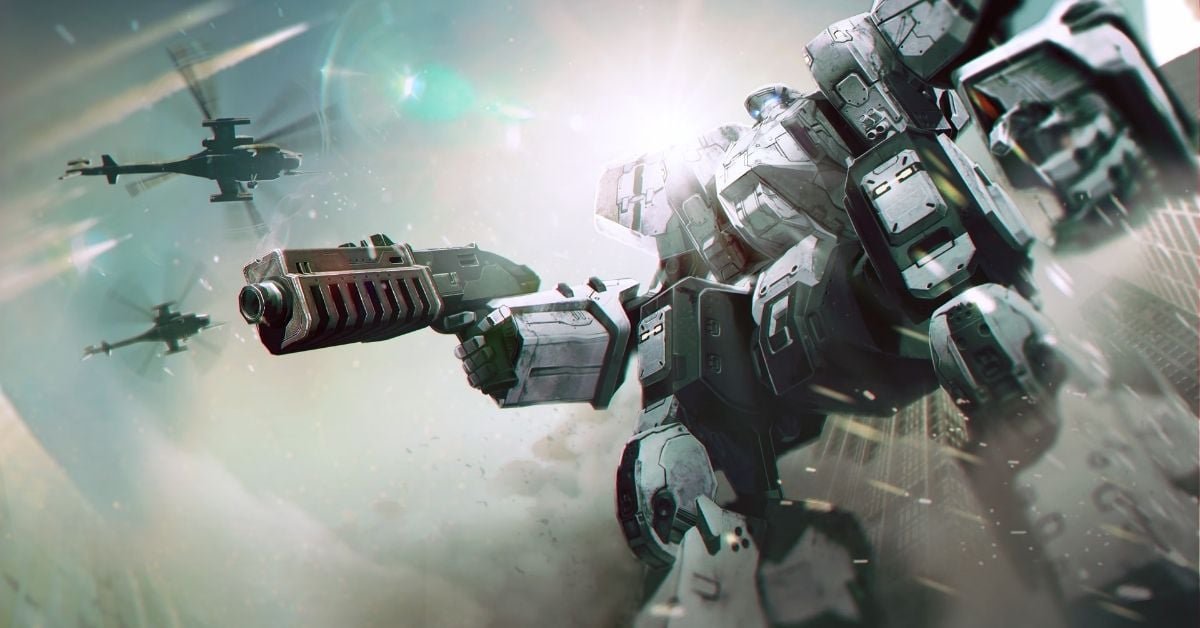
It’s impossible not to start with one of the most iconic video game series of all time: Front Mission. The remake of the third entry is no longer a Nintendo Switch exclusive, having launched over the past few hours on PC, PlayStation, and Xbox as well.
FRONT MISSION 3: Remake brings back the series’ grid-based mech tactics with a story built around one early choice that splits the campaign into two distinct routes, each following Kazuki Takemura as a simple delivery spirals into a conspiracy involving military projects, corporate pressure, and regional politics.
The remake layers on modern touches like upgraded visuals and smoother animations, a reorchestrated soundtrack, Wanzer camo customization, and a Quick Combat mode for jumping straight into fights when you want tactics without the story setup. If you like tactical RPGs that reward planning around chunky hardware and long campaign consequences, this is still one of the cleaner examples of slow, methodical mech combat.
Prophecy of Ashen
- Developer: hhyuGame
- Release Date: January 30, 2026
- Platforms: PC
- Steam Page
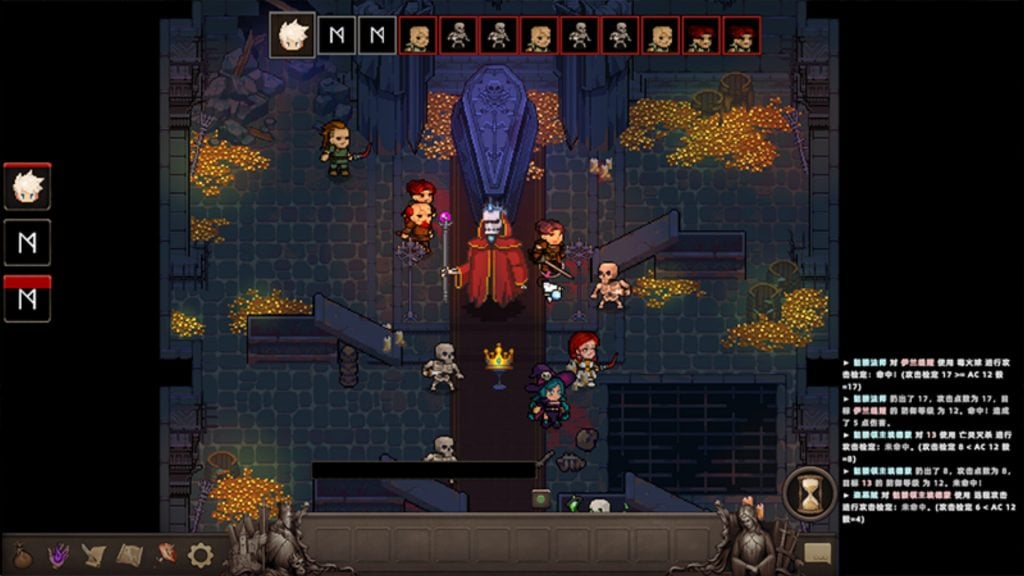
You know that in my articles, you can almost always expect lesser-known titles that often turn out to be surprisingly fun. In my opinion, one of those is Prophecy of Ashen.
Set in the kingdom of Rattalan, this is a dark fantasy tactical CRPG where a courier job turns into a chase, and the route you take through the conflict matters as much as the fights.
Combat is turn-based and built around positioning, with terrain advantages alongside magic and weapons, so the game leans into planning lines of attack, controlling space, and not wasting turns.
Party play comes from recruiting a crew with their own agendas, then shaping builds through skill, magic, and equipment choices, including paths that align you with the Church as a holy warrior or push you toward a more independent mage route.
The story frames a wider choice between propping up a “stable” but corrupt religious order or siding with the Ashbornes’ destructive answer, with multiple endings tied to how you navigate factions and decisions. There’s also a demo available.
Winnie’s Hole (E.A.)
- Developer: Twice Different
- Release Date: January 26, 2026
- Platforms: PC
- Steam Page
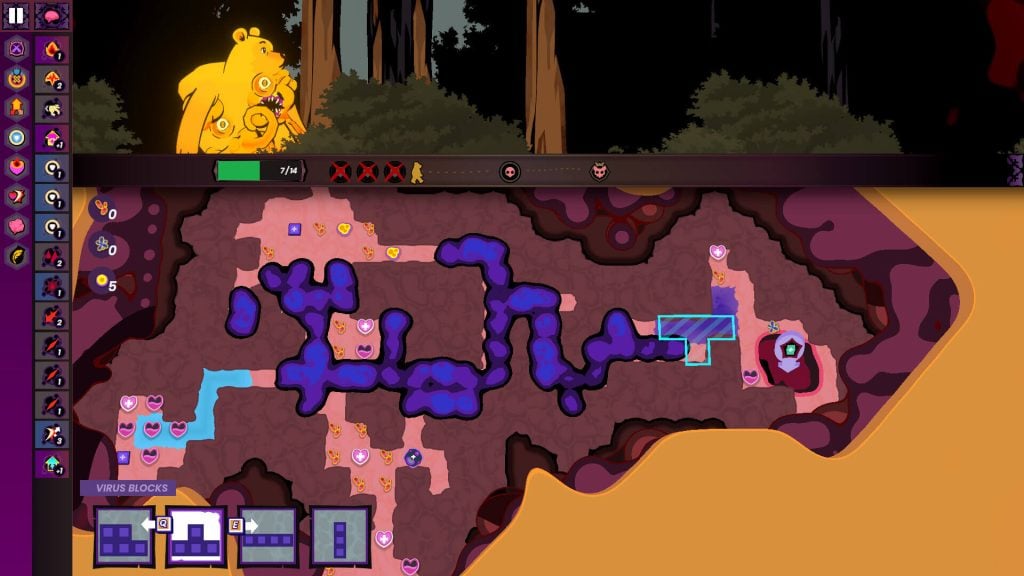
One of the strangest and most unsettling things you’ll find out there. It’s true that it features a puppet your child might be very familiar with, but be warned: everything is presented within a dark humor and a little bit disturbing context.
Winnie’s Hole is a turn-based roguelite where the “party” is a virus living inside Winnie, and progress comes from capturing cells, mutating your host, and building a deck of combat actions that can chain into tight combos on your turns.
Runs revolve around unlocking and refining tools, with research unlocking new perks and mutations, plus multiple virus strains that change how you approach fights and upgrades.
Early Access already supports full runs through two regions with branching routes, each with its own enemies, events, and a boss at the end, so it plays like a grim little tactical puzzle box that rewards players who enjoy deckbuilding decisions, small optimizations, and weird body-horror flavor.
RLLL: Tower of Choices
- Developer: Team5D
- Release Date: January 30, 2026
- Platforms: PC
- Steam Page
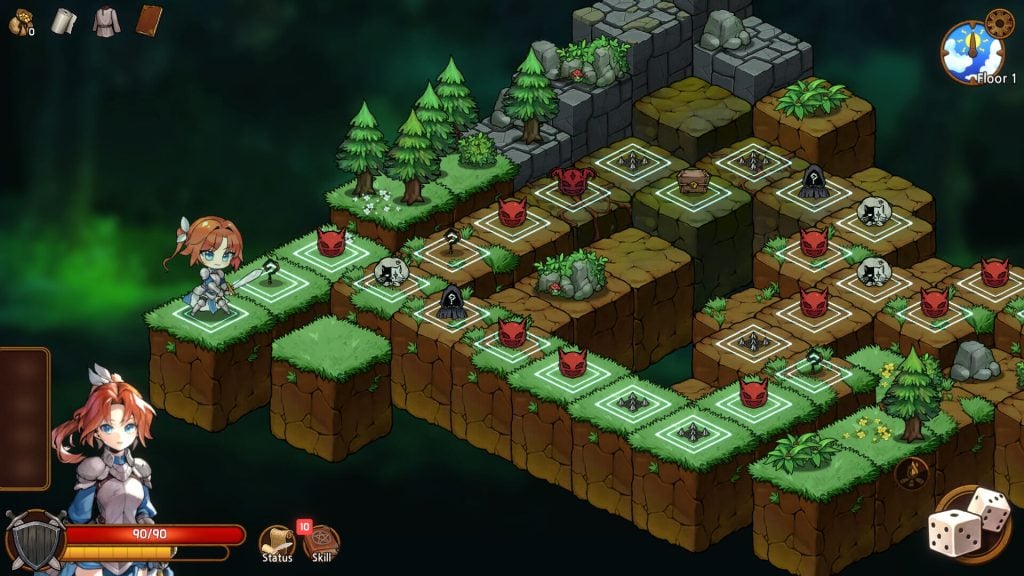
Next stop is RLLL: Tower of Choices. A roguelite built around a board and dice movement system, where each turn is partly about where the roll lets you land and partly about how you bend that roll with artifacts that add dice, push you backward, or reward specific numbers.
It mixes party-based RPG progression with deckbuilding, so runs are defined by who you recruit, which artifacts you stack, and how your skill set grows as characters unlock skill trees and promote into new classes that open more trees.
Choices are baked into the run flow too, with decisions about rewards, companions, and whether you recruit or subdue other adventurers, which helps it feel less like a straight hallway of fights and more like a branching climb where your build keeps mutating.
Conquest Tactics : Realm of Sin
- Developer: Singular Sunshine Studios
- Release Date: January 27, 2026
- Platforms: PC
- Steam Page

Another project with quite original gameplay mechanics now available is Conquest Tactics: Realm of Sin. A fantasy roguelite tactics RPG built around battles on a hex board, where the core loop is pushing forward step by step while the campaign layer keeps tightening the screws.
In fights, it leans hard on careful unit placement, with a “Commanding State” that lets you rotate, move, and deploy units with intent. Outside combat, choices hook into a Sin system, and every move on the world map advances time and raises Threat Levels, so the pressure ramps up as enemies get deadlier.
It is a good fit for players who like run-based tactical planning where small routing decisions matter, and you can feel the campaign layer pushing you into riskier fights as the run matures. If you want, you can give the demo a try first.
Roots Devour
- Developer: Rewinding Games
- Release Date: January 27, 2026
- Platforms: PC
- Steam Page
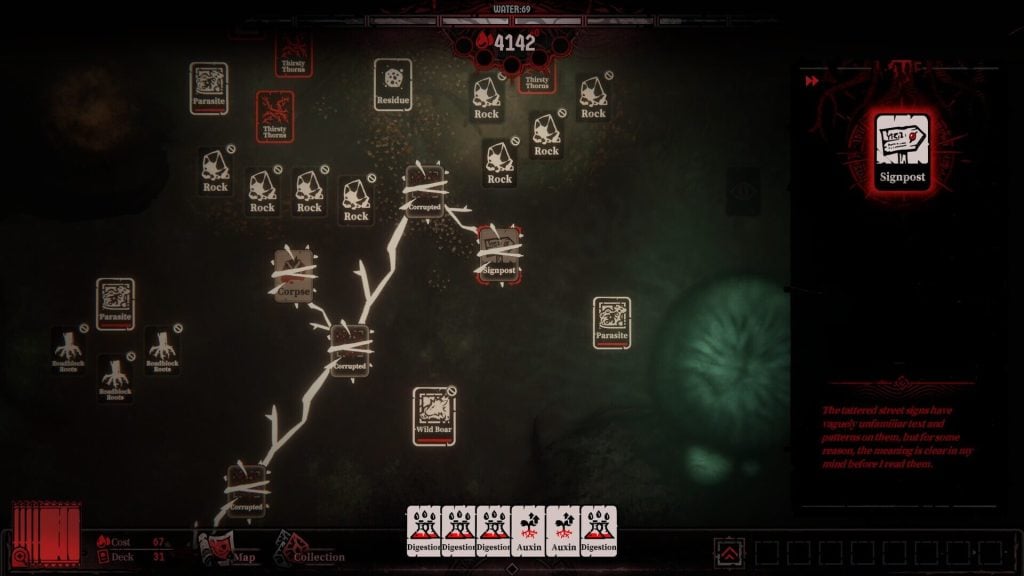
Technically, it isn’t turn-based, but it’s original enough to earn a spot among the exceptions I allow myself from time to time.
It’s called Roots Devour, which we also reviewed a few days ago, and it is a strategic exploration game that plays out through a card-connecting system, where “movement” and expansion come from linking cards into paths and then committing to how far you push your growing horror through each region.
The deck is your toolkit, and the tension comes from balancing resource management, card collection, and puzzle-like routing across four regions that shift the threats you face as you spread from forests into harsher biomes and human spaces.
Along the way, it leans into choice-driven encounters with humans, letting you stay distant or interfere, and it supports multiple endings tied to those decisions and the bonds you build with key characters.
Published by GCORES PUBLISHING, it is one for players who like slower, methodical runs where the “build” is the route you carve through the map as much as the cards you stack.
Mirklurk: Every Step Matters (Demo)
- Developer: Edym Pixels
- Release Date: Q1 2026
- Platforms: PC
- Steam Page
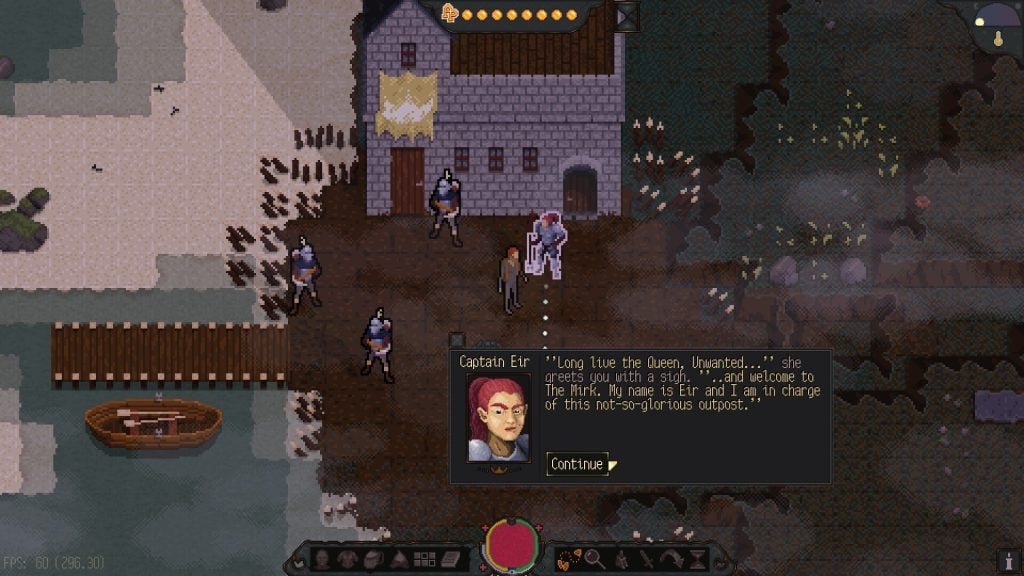
This intriguing project came to my attention through an email from the developer. I get plenty of those, but Mirklurk: Every Step Matters definitely stood out, and I’ll be trying the available demo this weekend.
It’s about a turn-based survival RPG set in a hostile swamp where each turn is about spending action points and deciding what risks you can afford, from which routes you carve through the mire to what you carry into dungeons and what you leave behind.
Combat aims for puzzle-like turns, with weapons that have distinct attack patterns and effects. The survival layer stays active in the background with hunger, focus and tiredness, energy, and warmth, plus night exposure that pushes you to find shelter and manage limited supplies like firewood.
Terrain is procedurally generated while still mixing in handcrafted locations, characters, and events, and the main story is optional, which makes it read like a hard survival sandbox with RPG skills, gear tradeoffs, and repeated runs.
Viractal: Will You Trust Your Party?
Developer: Sting
Release Date: January 25, 2026
Platforms: PC
Steam Page
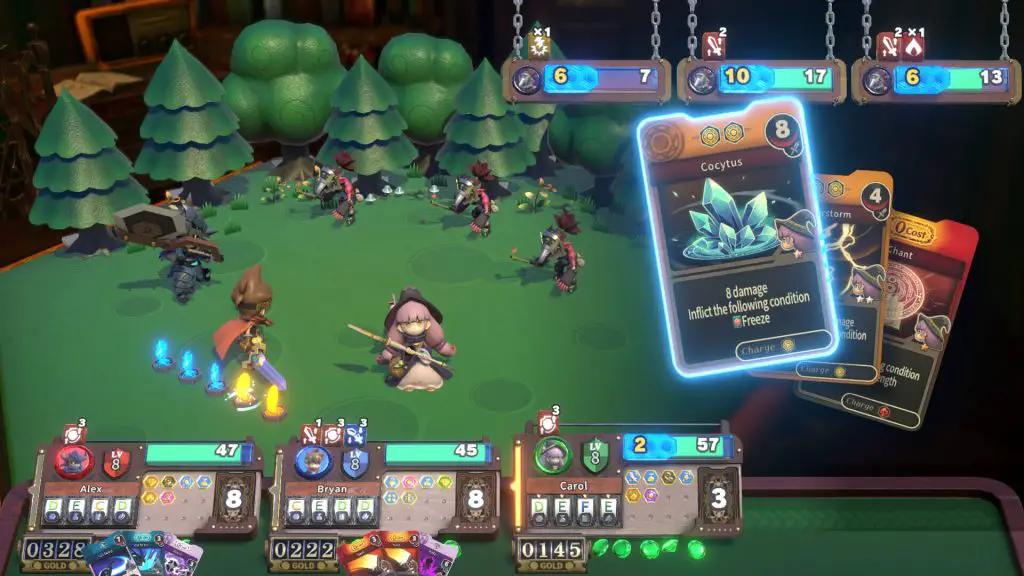
Viractal leaves the early access to offer players a board game-style RPG where dice rolls drive your movement and tempo, so your turn planning starts with reading the grid and deciding how to spend the roll rather than just picking an attack.
It mixes that with deckbuilding, letting you build out a card set that shapes what you can do in encounters while the map and events keep shifting run to run.
It supports solo play and online co op, which makes party coordination part of the strategy, especially when luck pushes a situation off script, and you need a clean fallback plan. There’s also a demo available.
Encounter: The Lost Cards
- Developer: Salvatore Grosso
- Release Date: 26 January, 2026
- Platforms: PC
- Steam Page
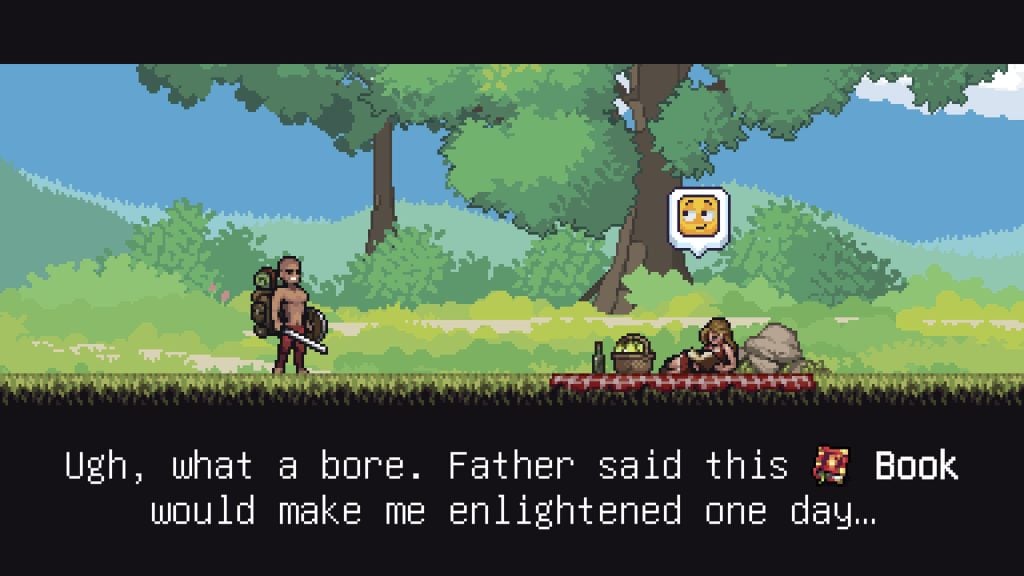
Another intriguing and perfectly pixelated solo turn-based roguelite project is Encounter: The Lost Cards.
Inside the game, the “map” is a deck of Tarot-driven encounters, so each step forward is a draw that can flip into a fight, a trade, a curse, or a lifeline, and the run is basically how well you read risk and pace your resources.
Combat leans on action economy, with every move consuming energy or other limited supplies, which makes sequencing and timing the real skill check. Inventory management stays tight, items can break, food runs out, and taking a new pickup often means giving something up, so your build is a chain of tradeoffs rather than a straight power climb.
It also pushes deck manipulation and combo hunting, with a big pool of items and encounters feeding into flexible setups that reward players who like solving runs through planning, adaptation, and smart resource routing.
Journey to the Void
- Developer: RuneHeads
- Release Date: January 28, 2026
- Platforms: PC
- Steam Page
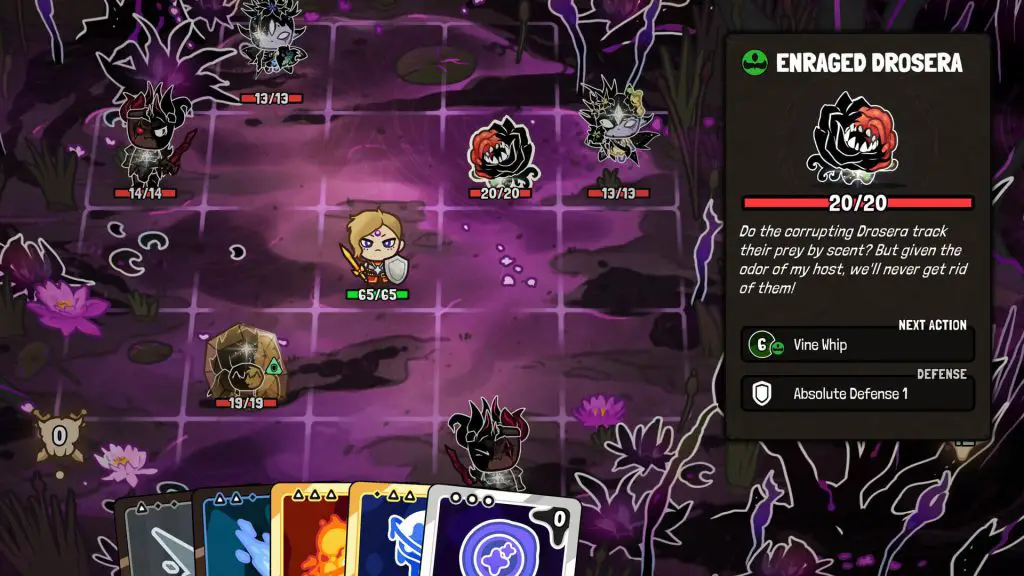
Last release to mention is Journey to the Void, which is a hybrid roguelite that mixes turn-based, grid-centered fights with deckbuilding, putting your hero in the middle of the board while waves hit from multiple directions, so every turn is about spacing, threat priority, and lining up card effects that clear lanes before you get surrounded.
Runs start by choosing where to begin across eight biomes, then you build around region-specific cards while you collect from a wider pool of cards, weapons, and items, with enemies and bosses pushing you to learn patterns and squeeze value out of each hand.
Progress is tied to picking a different hero each run, since traits can help or hurt, and you level with essence to shape stats toward the kind of deck you are drafting. The run structure leans on decisions outside combat, too, with lots of encounters that force a choice, and the world reacts across regions in ways that can carry forward.
All that’s left is for me to ask what you think about the RPGs, strategy titles, and hybrids mentioned in this article, and to point you toward my social pages and the now fast-growing Reddit channel. Wishing you a great day. See you next time.
