

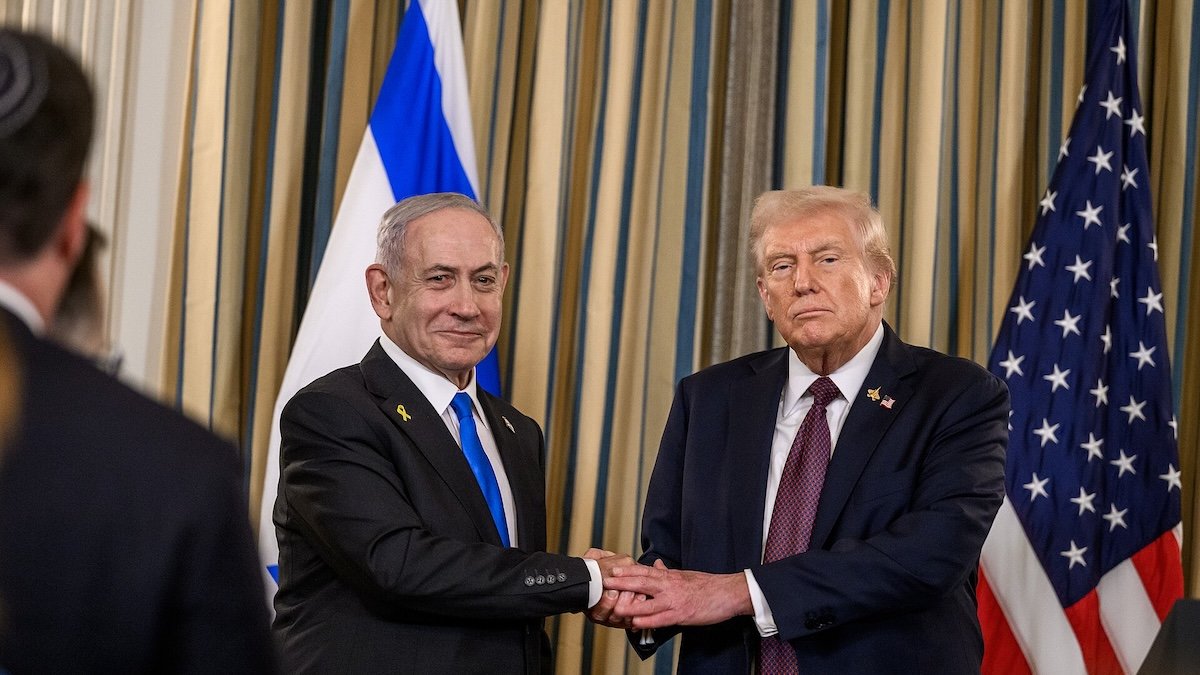
There is a long history of Israeli-Palestinian negotiations, often involving the United States as the primary negotiator. However, as the Oct. 7 attacks and war in Gaza demonstrated, neither Israelis nor Palestinians feel safe. As Israel’s recent moves to expand its control over the West Bank showed, the creation of a sovereign Palestinian state — and thus a two-state solution — is a dimmer prospect than ever. Nonetheless, U.S. President Donald Trump successfully negotiated a ceasefire between Israel and Hamas in October 2025, based on a 20-point peace plan. The Trump administration recently declared that Phase Two of ceasefire negotiations has started. At this crucial juncture for the future of Israelis and Palestinians, we asked five experts to identify key lessons from previous negotiations that the Trump administration could learn and apply to new efforts to achieve peace.Read more below.Aaron David Miller Senior Fellow in the American Statecraft Program at the Carnegie Endowment for International Peace Former State Department Middle East Analyst and Negotiator in Republican and Democratic AdministrationsThe key takeaway from the successful implementation of Phase One of Trump’s 20-point plan for Gaza was the importance of the president’s personal involvement, particularly his unprecedented pressure on Israeli Prime Minister Benjamin Netanyahu. If Phase Two and beyond is going to happen — a big if, given the still mutually irreconcilable end states that Israel and Hamas envision for Gaza — it will require relentless presidential focus not just on Netanyahu but also on pressing Turkey, Qatar, Egypt, and others to push Hamas on demilitarization. Part of this will involve getting commitments from Israel on withdrawal if a serious process of demilitarization moves forward. Trump’s hand might be strengthened with key Arab states if he acts to check Israeli annexationist policies on the West Bank — something he has been reluctant
Members-Only Content
This article is reserved for War on the Rocks members. Join our community to unlock exclusive insights and analysis.
There is a long history of Israeli-Palestinian negotiations, often involving the United States as the primary negotiator. However, as the Oct. 7 attacks and war in Gaza demonstrated, neither Israelis nor Palestinians feel safe. As Israel’s recent moves to expand its control over the West Bank showed, the creation of a sovereign Palestinian state — and thus a two-state solution — is a dimmer prospect than ever. Nonetheless, U.S. President Donald Trump successfully negotiated a ceasefire between Israel and Hamas in October 2025, based on a 20-point peace plan. The Trump administration recently declared that Phase Two of ceasefire negotiations
