


Every year, countries around the world spend billions to maintain and modernize their air forces. Fighter jets, bombers, helicopters, and transport aircraft all cost a significant amount to purchase, train, and maintain.
In 2025, global military spending reached record levels, with air forces receiving a significant share of those budgets. The five nations with the largest air force budgets are the United States, China, Russia, Germany, and India. Together, they account for well over half of all defense spending.
Largest Air Forces by Defense Budget
Let’s look at how much these countries spend on air power, what kinds of aircraft they operate, and what their strategies reveal about the balance of power in the skies.
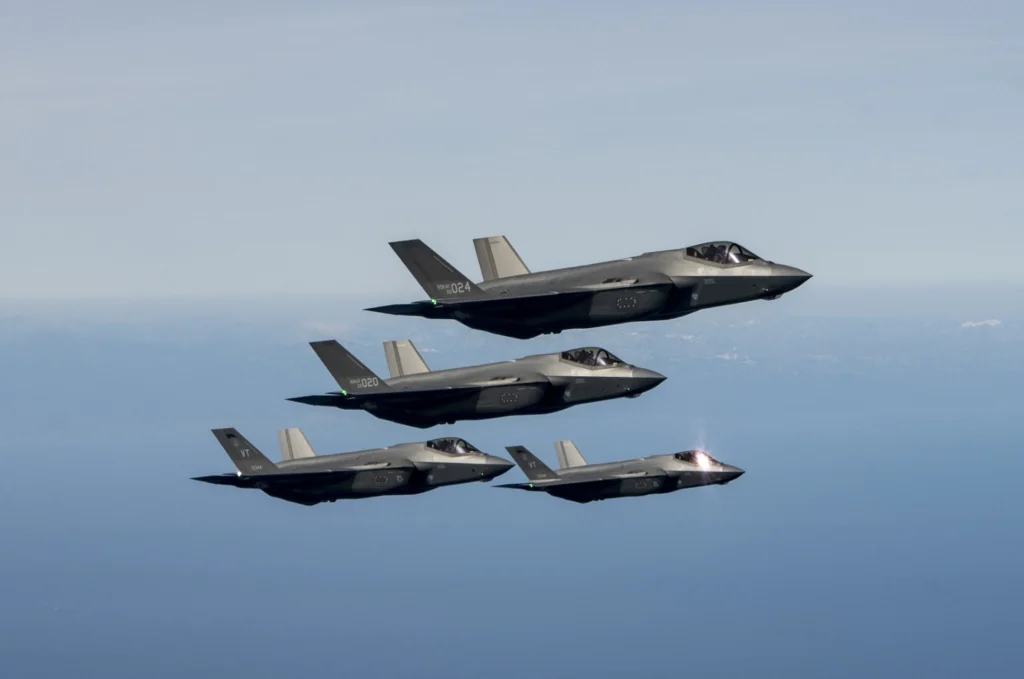
1. United States: The World’s Air Power Leader
The United States has long been the world’s biggest defense spender. In 2025, its total defense budget approached one trillion dollars, and a major share of that went to air and space operations. That is more than what the next several nations spend on all their forces combined.
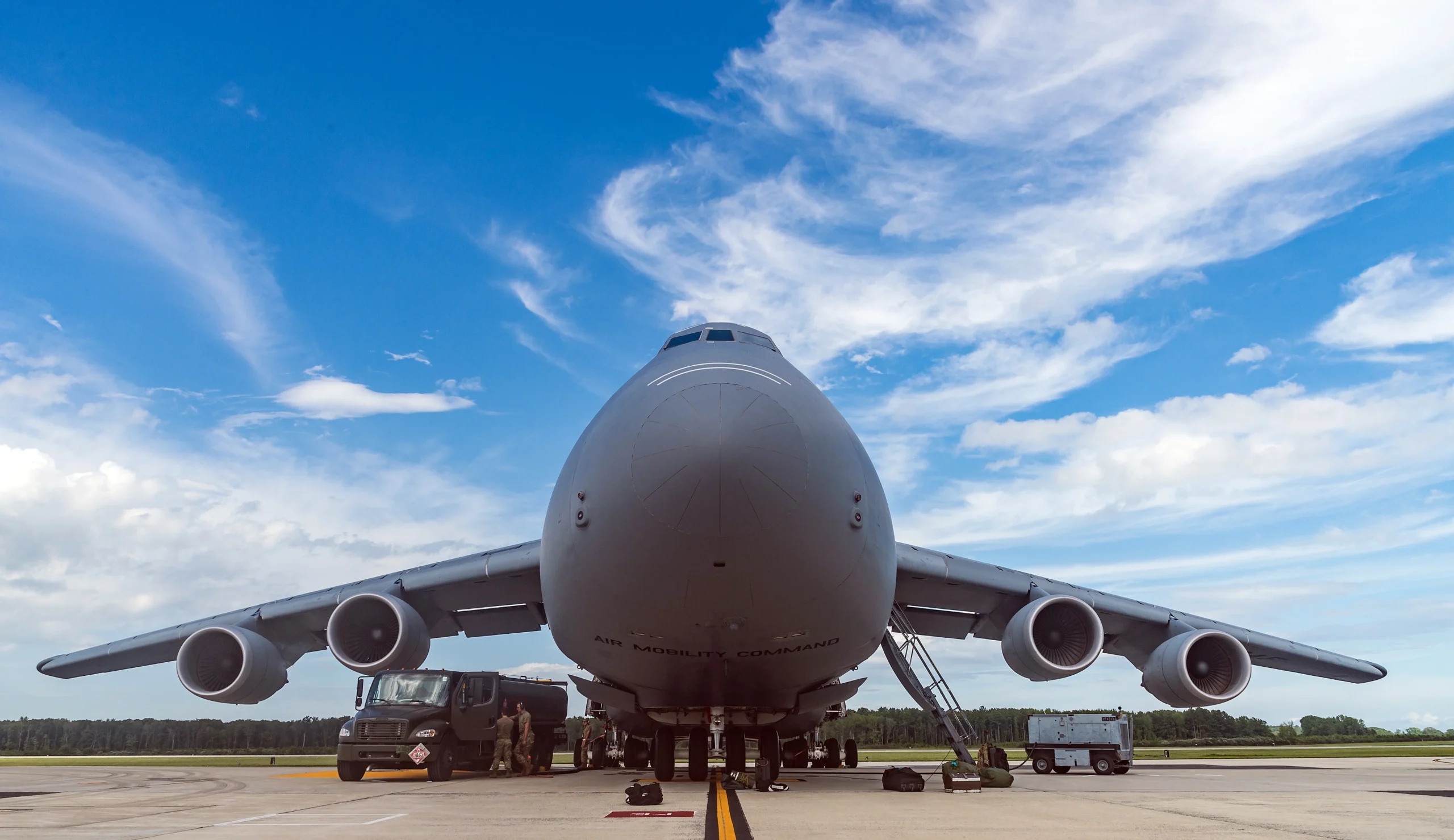
The U.S. Air Force manages a fleet of roughly 14,000 aircraft. This includes fighters, bombers, tankers, transports, and helicopters.
The inventory mixes advanced stealth fighters like the F-22 Raptor and F-35 Lightning II with proven workhorses such as the F-16 Fighting Falcon, C-17 Globemaster III, and KC-135 Stratotanker.
The country also invests heavily in technology, drone warfare, and new stealth bombers such as the upcoming B-21 Raider. This combination of funding and innovation keeps the U.S. far ahead of other nations in air capabilities.
United States Air Force Overview
| Category | Details |
|---|---|
| Annual Defense Budget (2025) | 997 billion USD |
| Estimated Aircraft Fleet | 14,486 |
| Fighter Aircraft | 2,358 |
| Bomber Aircraft | 140 |
| Transport Aircraft | 1,020 |
| Helicopters | 5,509 |
| Notable Aircraft | F-22 Raptor, F-35 Lightning II, B-2 Spirit, C-17 Globemaster III |
| Key Strengths | Global reach, advanced stealth, unmatched logistics and refueling network |

2. China: Fastest-Growing Air Force Budget
China’s air force, officially the People’s Liberation Army Air Force (PLAAF), has grown faster than any other in recent years.
In 2025, China’s defense budget was estimated at 314 billion USD, the second-largest in the world. A major portion of this goes toward modernizing aircraft and expanding production at home.
The PLAAF operates around 4,400 aircraft and continues to develop domestic models such as the Chengdu J-20 Mighty Dragon, its first stealth fighter.
Other aircraft like the J-10 and J-16 are also key to China’s aerial strength. In addition, the country is increasing its investment in drones and long-range bombers to extend its reach across Asia and beyond.
China’s focus is not only on defending its borders but also on projecting power in regions such as the South China Sea. Its growing air budget reflects that ambition.
China Air Force Overview
| Category | Details |
|---|---|
| Annual Defense Budget (2025) | 314 billion USD |
| Estimated Aircraft Fleet | 4,392 |
| Fighter Aircraft | 1,975 |
| Bomber Aircraft | 209 |
| Transport Aircraft | 270 |
| Helicopters | 1,250 |
| Notable Aircraft | J-20 Mighty Dragon, J-10C, Y-20 Transport |
| Key Strengths | Rapid modernization, stealth development, expanding drone programs |
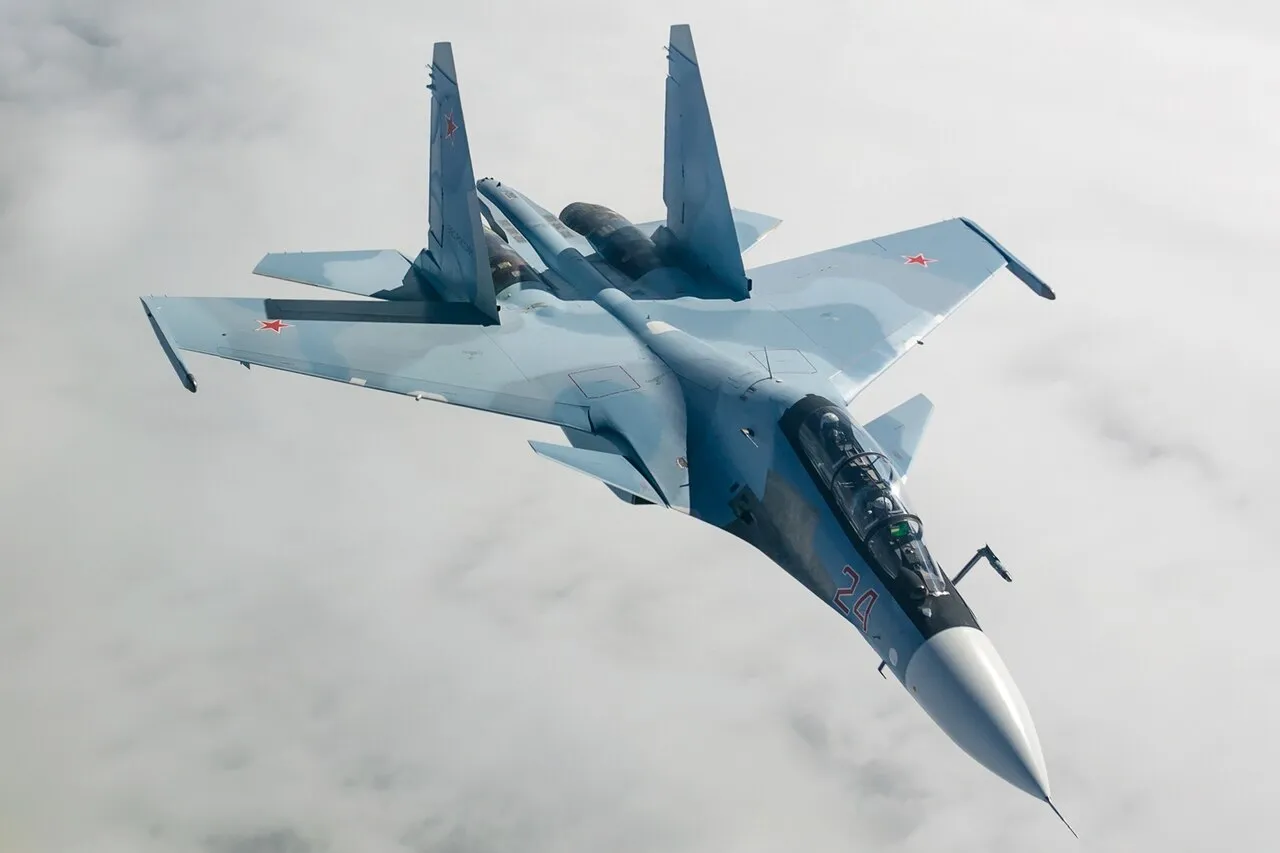
3. Russia: Strong Fleet, Limited Budget
Russia remains one of the top military powers thanks to its large aircraft inventory and long tradition in aviation.
Its defense budget, around 149 billion USD in 2025, is much smaller than that of the U.S. or China, yet it maintains the world’s third-largest air fleet with more than 4,200 aircraft.
The Russian Air Force operates fighters such as the Su-35, Su-30, and MiG-29, and maintains a fleet of heavy bombers like the Tu-95 Bear and Tu-160 Blackjack. The Su-57 Felon, Russia’s fifth-generation fighter, exists in limited numbers due to production and economic challenges.
Western sanctions and supply shortages have slowed the country’s modernization plans. However, Russia’s combat experience and missile technology continue to make its air force a major player.
Russia Air Force Overview
| Category | Details |
|---|---|
| Annual Defense Budget (2025) | 149 billion USD |
| Estimated Aircraft Fleet | 4,211 |
| Fighter Aircraft | 1,008 |
| Bomber Aircraft | 120 |
| Transport Aircraft | 462 |
| Helicopters | 1,551 |
| Notable Aircraft | Su-35, Su-57 Felon, Tu-160 Blackjack |
| Key Strengths | Large bomber fleet, combat experience, strong missile integration |
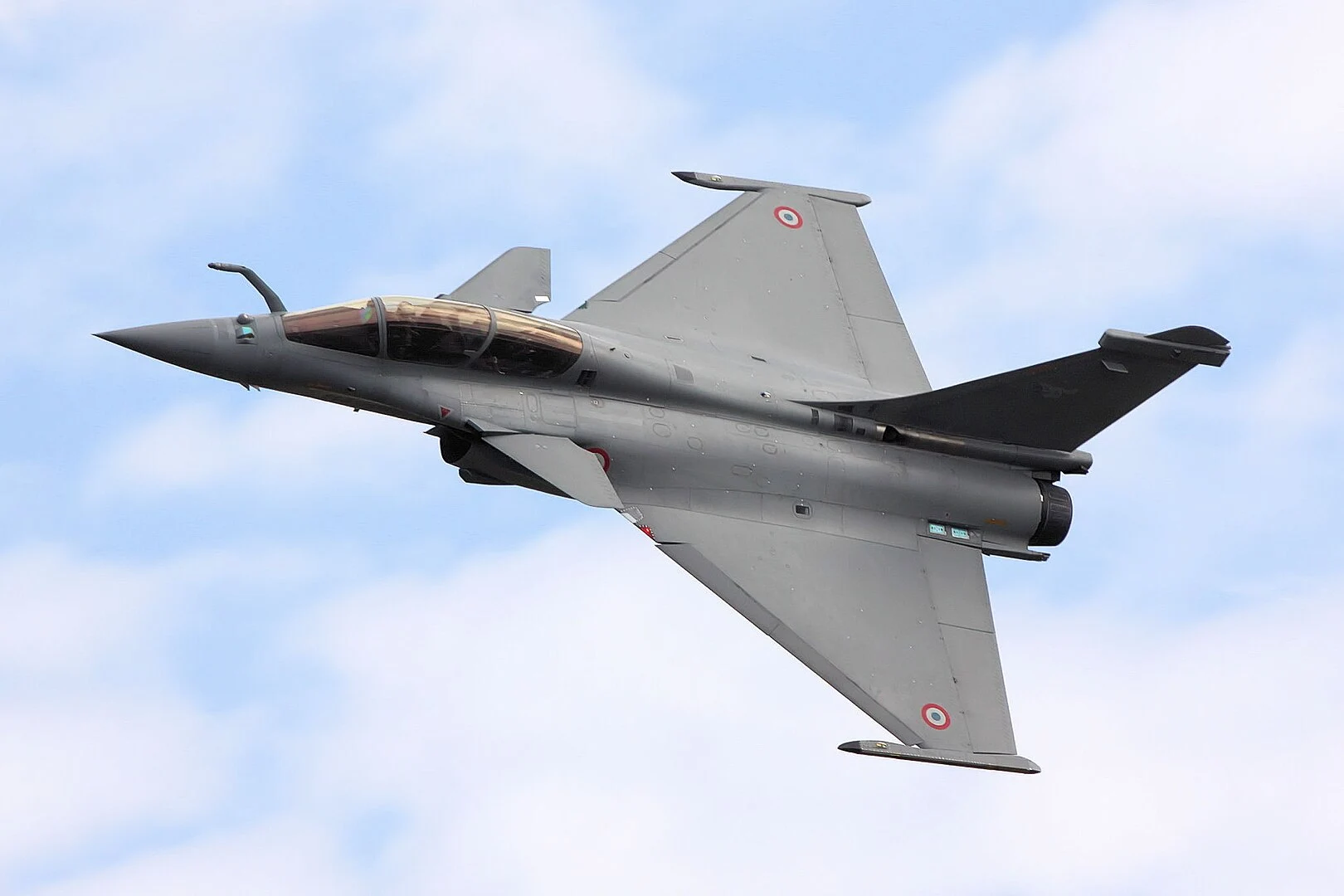
4. Germany: Europe’s Rebuilding Air Force
Germany’s air arm, the Luftwaffe, is smaller but technologically advanced. In 2025, its military budget rose to about 88.5 billion USD, marking one of Europe’s largest jumps in defense spending.
Germany is upgrading its fleet with American F-35 Lightning II fighters and participates in Europe’s Future Combat Air System (FCAS) program with France and Spain.
The Luftwaffe’s current fleet includes Eurofighter Typhoons, Tornado strike jets, A400M Atlas transports, and several helicopter types. The modernization push aims to rebuild air strength after decades of limited investment.
German Air Force Overview
| Category | Details |
|---|---|
| Annual Defense Budget (2025) | 88.5 billion USD |
| Estimated Aircraft Fleet | 745 |
| Fighter Aircraft | 211 |
| Bomber Aircraft | None |
| Transport Aircraft | 52 |
| Helicopters | 246 |
| Notable Aircraft | Eurofighter Typhoon, Tornado, A400M Atlas |
| Key Strengths | Modernization focus, NATO integration, strong industrial base |
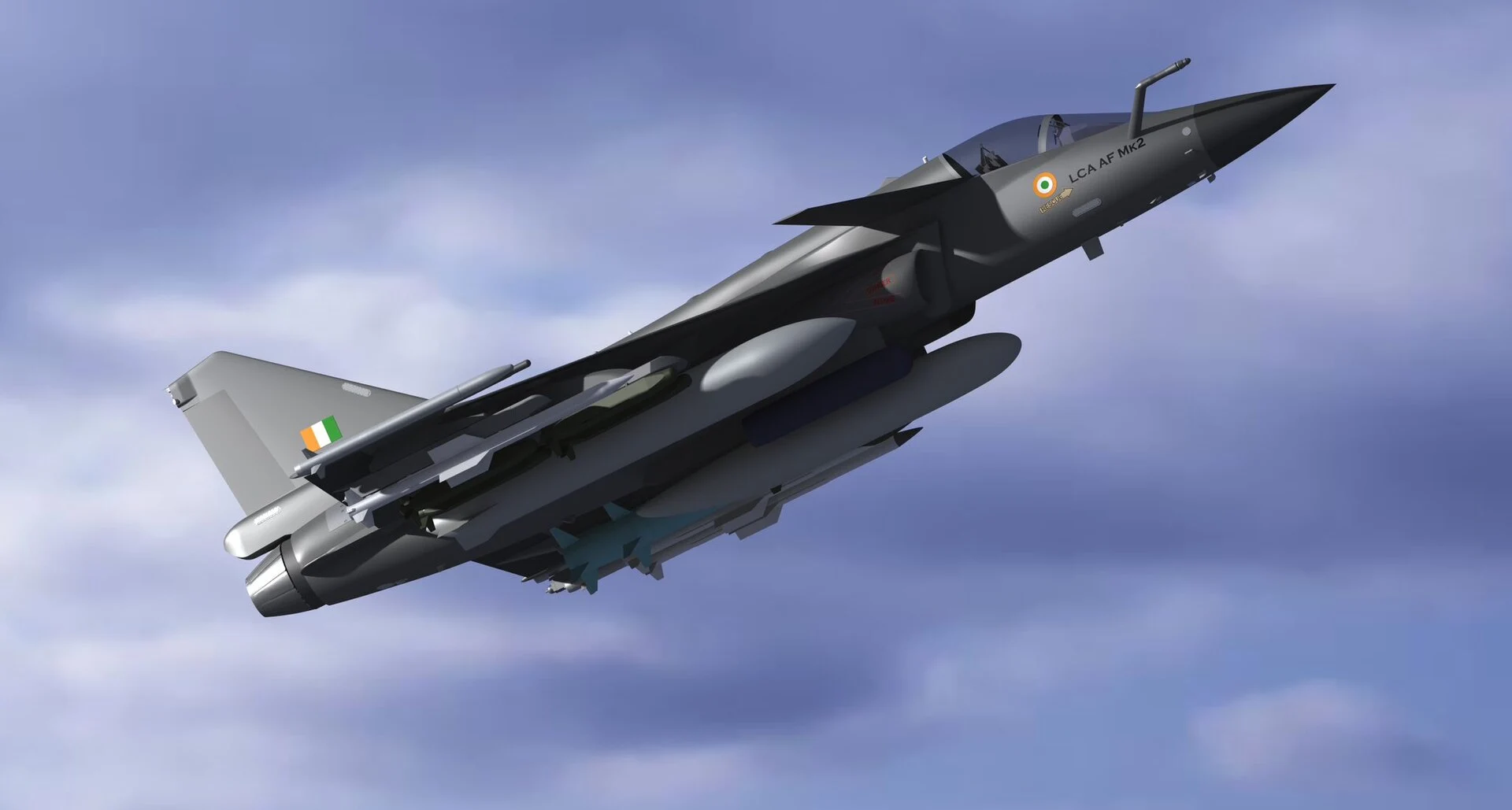
5. India: A Rapidly Developing Air Force
India’s defense spending in 2025 stood at about 86 billion USD, placing it fifth worldwide. The Indian Air Force (IAF) manages a fleet of more than 2,200 aircraft, including Russian Su-30MKI fighters, French Rafales, and U.S. C-17 and C-130 transport planes.
India is also focusing on domestic aircraft production through Hindustan Aeronautics Limited (HAL).
The Tejas Light Combat Aircraft and Light Combat Helicopter are examples of efforts to reduce dependence on imports.
The country’s air-defense network, combined with strong partnerships with the U.S., France, and Russia, gives the IAF a unique mix of technologies.
India Air Force Overview
| Category | Details |
|---|---|
| Annual Defense Budget (2025) | 86.1 billion USD |
| Estimated Aircraft Fleet | 2,296 |
| Fighter Aircraft | 542 |
| Bomber Aircraft | None |
| Transport Aircraft | 282 |
| Helicopters | 540 |
| Notable Aircraft | Su-30MKI, Rafale, Tejas LCA, C-17 Globemaster III |
| Key Strengths | Balanced Eastern-Western fleet, growing domestic production, strong regional presence |
Bottom Line
Air power defines how nations defend themselves and influence others. It is often the first line of defense and the ultimate show of strength, Simple Flying reported.
The United States remains the global leader by every standard — its spending, technology, and global reach make its air force unmatched.
China follows with a rapidly growing budget and a steady focus on stealth and advanced technology. Russia’s fleet, though vast, faces limitations due to sanctions and reduced access to modern components.
Germany and India, while smaller in scale, are crucial regional powers. Germany’s modernization reflects Europe’s need for stronger collective defense, while India’s growing investments show a long-term plan to become self-reliant in military aviation.
Stay tuned with us. Further, follow us on social media for the latest updates.
Join us on Telegram Group for the Latest Aviation Updates. Subsequently, follow us on Google News
