

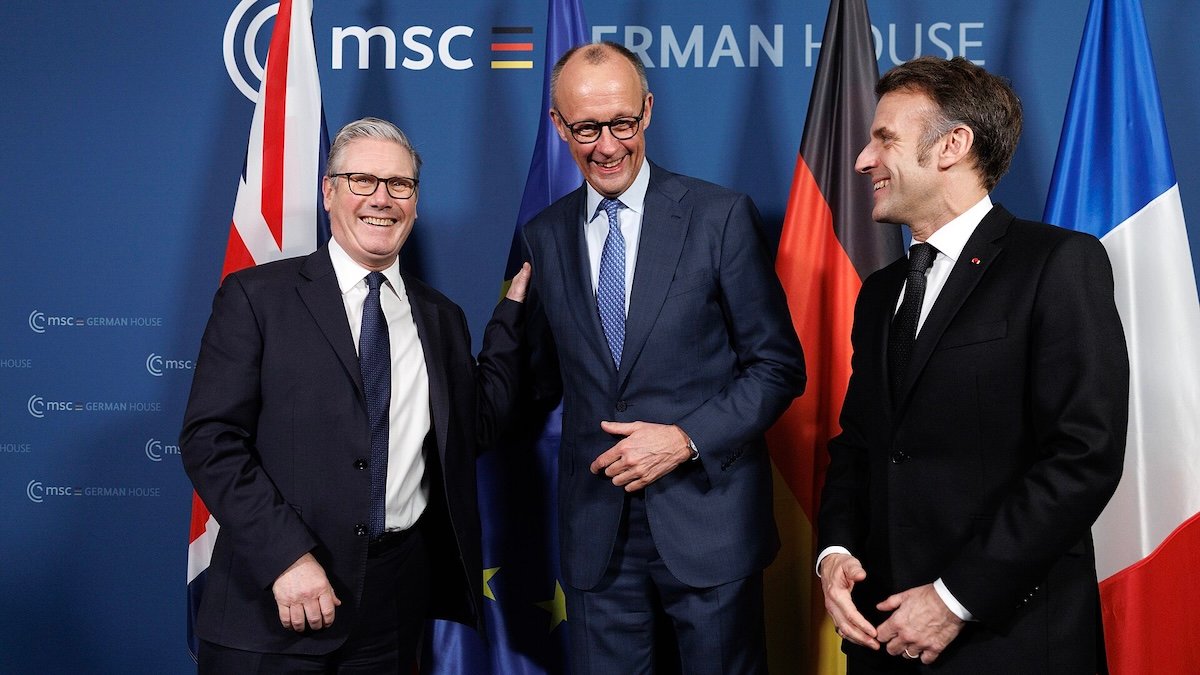
On Feb. 13 to 15, leaders and specialists from around the world — especially Europe and the United States — attended the 62nd Munich Security Conference. This year’s conference highlighted an ongoing European interest in maintaining the trans-Atlantic relationship, an emphasis on European “derisking” from reliance on the United States, and general agreement — tinged with grief or celebration, depending on who you ask — that the post-World War II liberal, rules-based world order is gone. U.S. Secretary of State Marco Rubio’s speech was reassuring to some attendees, as it emphasized that the United States and Europe “belong together,” but he worried others with his implicit criticisms of modern-day Europe and the mechanisms and norms of the post-World War II international system. We asked four experts to assess the general sentiments of attendees from France, Germany, the United Kingdom, and Poland, as they process their takeaways from the conference.Read more below.Gesine Weber Senior Researcher, Center for Security Studies, ETH ZurichFor France, there are two main takeaways from the Munich Security Conference. First, the event confirmed that European strategic autonomy is not a random choice but a strategic necessity — a view that French officials, especially President Emmanuel Macron, have stressed since 2017. U.S. Secretary of State Marco Rubio’s speech — which displayed open hostility towards Europe’s societal models and the European Union as an institution, albeit in a friendly tone — confirmed French assumptions about the foreign policy trajectory of the United States and Washington’s unpredictability as a partner.Second, there are growing rifts between France and Germany on European defense — again. Chancellor Friedrich Merz and German ministers, despite increasingly open criticism of Washington, still emphasize the importance of the trans-Atlantic bond and are more hesitant about going all in on European defense made in Europe. German Foreign Affairs Minister
Members-Only Content
This article is reserved for War on the Rocks members. Join our community to unlock exclusive insights and analysis.
On Feb. 13 to 15, leaders and specialists from around the world — especially Europe and the United States — attended the 62nd Munich Security Conference. This year’s conference highlighted an ongoing European interest in maintaining the trans-Atlantic relationship, an emphasis on European “derisking” from reliance on the United States, and general agreement — tinged with grief or celebration, depending on who you ask — that the post-World War II liberal, rules-based world order is gone. U.S. Secretary of State Marco Rubio’s speech was reassuring to some attendees, as it emphasized that the United States and Europe “belong together,” but
