

“The focus is on helping the applicant get to ‘yes’ by making sure the proposal complies with the law, allows for reasonable development,” Jay Townsend said.
The U.S. Army Corps of Engineers is reviewing a proposal to build a massive Google data center that could impact federally protected wetlands.
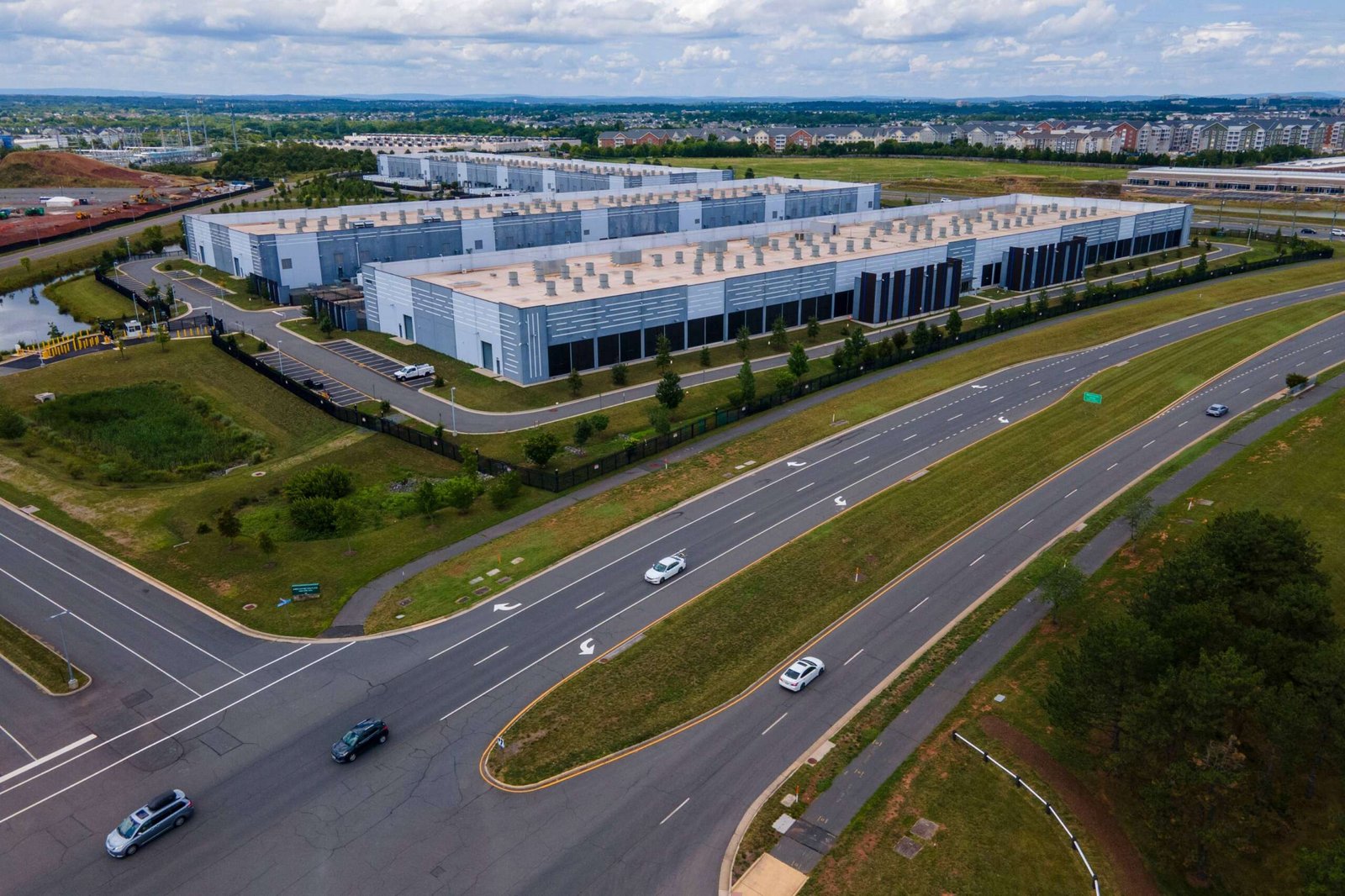
A public notice published April 6 by the U.S. Army Corps of Engineers’ Little Rock District said the project would include five industrial buildings totaling about 1.43 million square feet. The development would also include two office buildings, an electrical substation and supporting infrastructure such as transmission line corridors, parking lots, access roads and stormwater facilities.
The project is expected to use more than 100 megawatts of power — enough to supply electricity to roughly 80,000 to 100,000 homes, based on average U.S. household energy use. There were approximately 88,000 households in Little Rock in 2024, meaning this Google data center could use as much power as all the households in Little Rock combined.
According to the Corps, the development would result in the filling of nearly 17 acres of wetlands and more than 6,000 feet of streams.
While the permit application was submitted by Willowbend Capital LLC, the Arkansas Democrat-Gazette reported that it is a front company used by Google as it develops the project.
Because the project would discharge fill material into waters of the United States, it requires a Section 404 permit under the Clean Water Act. The Corps is responsible for evaluating the proposal’s environmental impacts and must consider the public interest before making a decision.
Before issuing, conditioning or denying a permit, the Corps must review a full application, issue a public notice for comment, coordinate with federal and state agencies and conduct environmental reviews under laws such as the Endangered Species Act and the National Historic Preservation Act. The agency must conduct a full public interest review weighing environmental, economic and social factors.
The Corps is accepting public comments on the proposal through May 1.
“The district’s role is to ensure that proposed work in waters of the United States is evaluated fairly, transparently, and based on sound science. Our mission is to protect the nation’s aquatic resources while allowing reasonable development. Every permit decision is grounded in a thorough public interest review, coordination with resource agencies, and compliance with federal environmental laws,” Jay Townsend, chief of public affairs for the Corps of Engineers, told Federal News Network.
Townsend said the goal is not to deny the project, but to find a path forward that allows development to proceed.
“The Little Rock District stays actively engaged with the applicant from the beginning and works in parallel, rather than in sequence, to resolve issues so the review can move efficiently toward an approvable project,” Townsend said. “In practice, that looks like early coordination to identify potential impacts, giving applicants clear feedback on what information is still needed, and helping them adjust their design to avoid and minimize impacts before they invest time in a path that will not meet federal requirements.”
“It also means completing consultations, environmental reviews, and mitigation discussions concurrently whenever possible so the applicant is not waiting on one step to finish before another can begin. The focus is on helping the applicant get to ‘yes’ by making sure the proposal complies with the law, allows for reasonable development, protects aquatic resources, and can move forward without unnecessary delay,” he added.
The project comes as data center development is surging across North America, driven by growing demand for cloud computing and artificial intelligence. In the United States alone, nearly 3,000 new data centers are in development or under construction, adding to more than 4,000 already in operation, according to a recent analysis.
The rapid boom in AI data center construction has ignited significant backlash from local communities over the facilities’ enormous water use and high electricity demands.
The Corps recently closed public comments on a proposed Google data center in Virginia that has drawn pushback from local residents.
The Trump administration is also accelerating AI data center development by allowing private companies to use federally owned land — the Army, for instance, has already selected two companies to build massive data centers at Fort Bliss in Texas and at Dugway Proving Ground in Utah. The Army Corps of Engineers will play a key role in the development of these projects.
If you would like to contact this reporter about recent changes in the federal government, please email anastasia.obis@federalnewsnetwork.com or reach out on Signal at (301) 830-2747.
Copyright
© 2026 Federal News Network. All rights reserved. This website is not intended for users located within the European Economic Area.
