

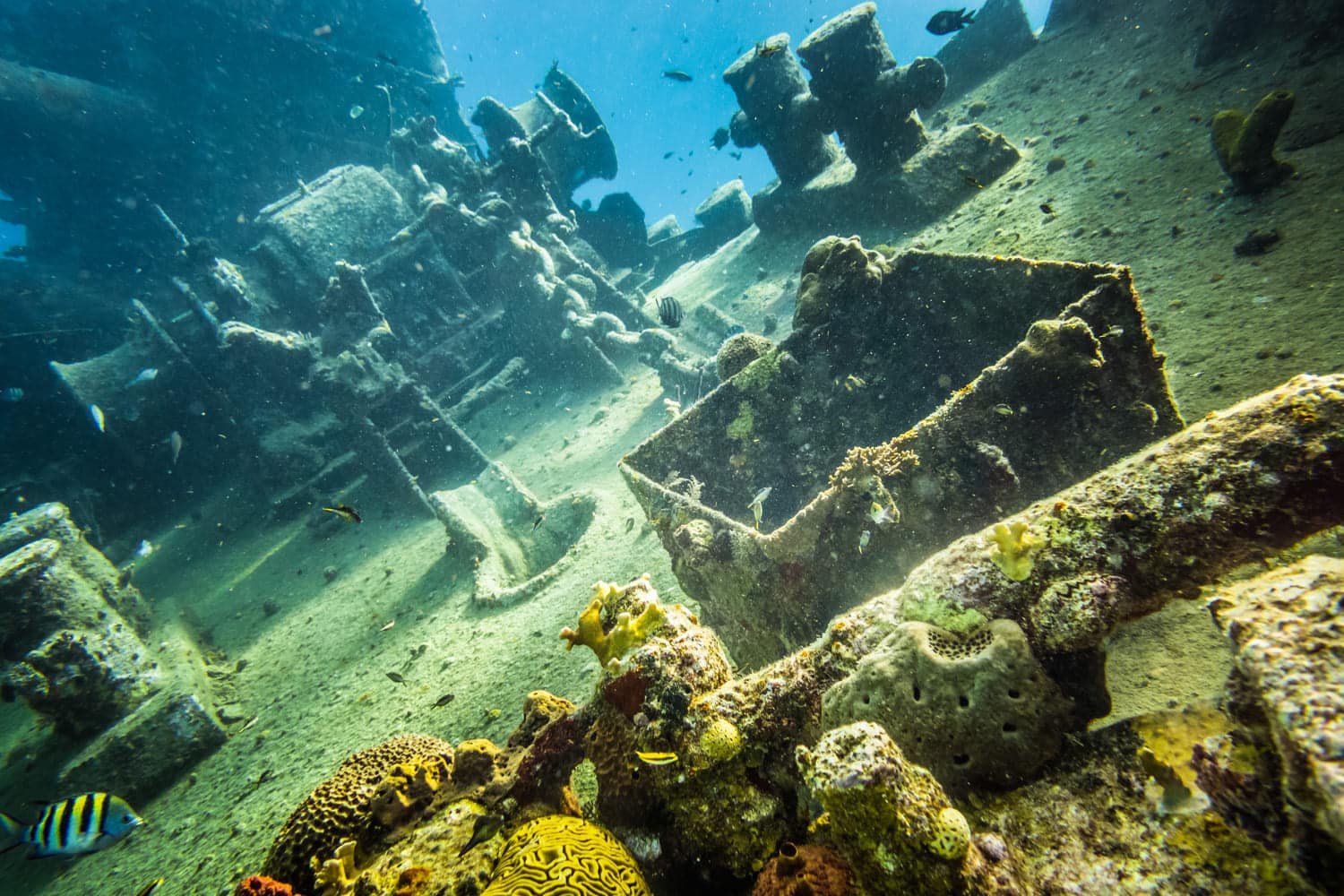
The discovery of what experts claim to be the largest treasure in history has sent shockwaves through the archaeological and legal communities worldwide. Valued at an unprecedented 174 billion dollars, this extraordinary find has ignited a fierce territorial dispute between two nations, each asserting their rightful claim to this monumental discovery. The treasure’s confirmation marks a pivotal moment in maritime archaeology and international law.
Located in disputed waters, this archaeological marvel represents more than mere monetary value. The record-breaking treasure contains artifacts spanning centuries, offering invaluable insights into ancient civilizations and maritime trade routes. Historical documents suggest the collection originated from multiple Spanish galleons that sank during treacherous Atlantic crossings between the 16th and 18th centuries.
Nature and composition of the historic discovery
The treasure trove comprises an astounding array of precious metals, gemstones, and historical artifacts that have remained preserved beneath ocean depths for centuries. Marine archaeologists have documented thousands of gold coins, silver ingots, and ornate jewelry pieces that showcase the craftsmanship of bygone eras. The collection includes rare emeralds from Colombian mines, pearls from Caribbean waters, and intricately designed religious artifacts crafted by master artisans.
Scientific analysis reveals that the archaeological treasure contains materials sourced from across the Spanish colonial empire. Platinum pieces, virtually unknown in Europe during the colonial period, suggest sophisticated mining operations in South American territories. The discovery also includes navigational instruments, ship components, and personal belongings that provide unprecedented glimpses into maritime life during the age of exploration.
| Artifact Category | Estimated Quantity | Approximate Value (USD) |
|---|---|---|
| Gold Coins and Bars | 12,000 pieces | 89 billion |
| Silver Ingots | 8,500 pieces | 45 billion |
| Precious Gemstones | 3,200 pieces | 28 billion |
| Historical Artifacts | 5,800 items | 12 billion |
The monetary valuation reflects not only the intrinsic worth of precious materials but also the immense historical significance of individual pieces. Numismatic experts have identified several coins that represent the earliest examples of New World minting, making them invaluable to collectors and museums worldwide. These discoveries fundamentally challenge existing knowledge about colonial-era economics and trade relationships.
International legal battle over ownership rights
The territorial dispute surrounding this massive treasure has escalated into a complex legal battle that involves maritime law, historical claims, and international treaties. Both nations cite compelling evidence supporting their ownership rights, creating a precedent-setting case that could influence future underwater archaeological discoveries. Legal experts describe the situation as one of the most significant maritime disputes in modern history.
The first claimant nation argues that historical documentation clearly establishes their territorial waters as the discovery site. Ancient maps and colonial records support their assertion that the treasure originated from ships sailing under their flag centuries ago. Their legal team has assembled an impressive collection of archival evidence, including shipping manifests and insurance documents that trace the treasure’s provenance.
Conversely, the second nation presents equally compelling arguments based on international maritime law and exclusive economic zones. They contend that modern territorial boundaries supersede historical claims, particularly when dealing with archaeological discoveries in international waters. Their position emphasizes the importance of contemporary legal frameworks over colonial-era documentation that may lack sufficient specificity.
The complexity of this case extends beyond simple ownership questions. Several factors complicate the legal proceedings :
- Overlapping territorial claims in the discovery region
- Multiple historical precedents involving similar cases
- International treaty obligations regarding underwater cultural heritage
- Scientific research rights and archaeological preservation concerns
- Commercial salvage operations and their legal implications
Implications for future archaeological discoveries
This unprecedented legal case will likely establish new precedents for handling large-scale underwater archaeological discoveries. International courts must balance historical claims, modern territorial rights, and the global importance of cultural heritage preservation. The outcome could significantly impact how future treasure discoveries are managed and distributed among competing nations.
Maritime archaeologists worldwide are closely monitoring the proceedings, as the decision may influence funding and permissions for future expeditions. The case highlights the need for comprehensive international agreements regarding underwater cultural heritage, particularly in disputed or international waters where valuable discoveries might occur.
The scientific community emphasizes that regardless of ownership resolution, the treasure’s historical significance transcends monetary value. Researchers advocate for collaborative approaches that prioritize archaeological study and cultural preservation over purely economic considerations. This perspective suggests that both nations might benefit more from joint stewardship arrangements than protracted legal battles that could delay proper conservation efforts and scholarly research opportunities.
