

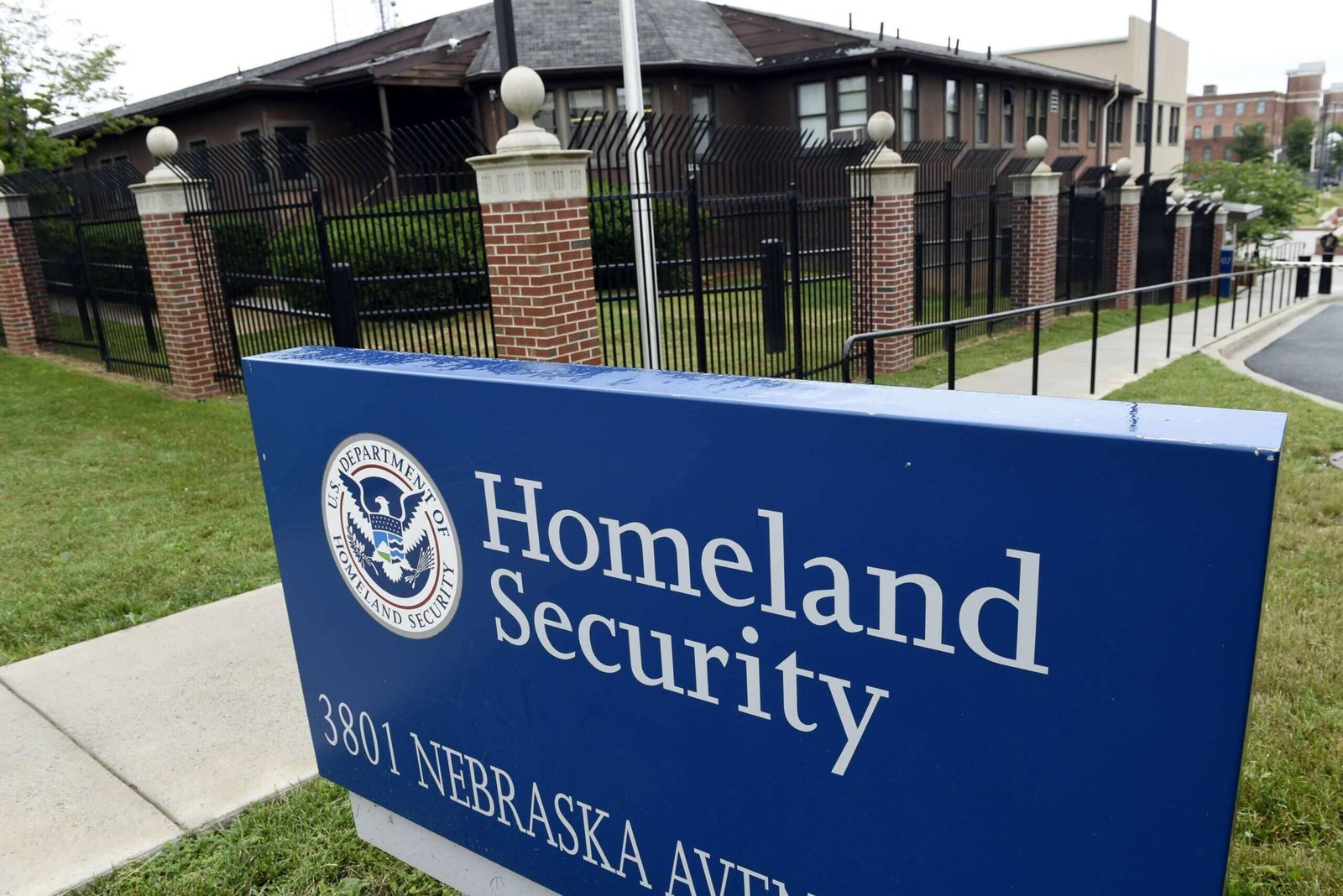
The Department of Homeland Security inspector general is conducting several audits related to the Trump administration’s immigration enforcement blitz, including evaluations on DHS’s hiring surge and the department’s use of biometric data.
The DHS Office of the Inspector General provided an update on its oversight work this week. Lawmakers had been pressing the DHS IG to review multiple issues surrounding the ongoing immigration crackdown. Those calls have only ramped up in the wake of two Americans being shot to death by federal immigration agents in January.
“We recognize the importance of these reviews to provide valuable insight to DHS leadership and Congress, as well as to the public,” the DHS IG wrote in the statement. “These reviews are being conducted as expeditiously as possible while ensuring we apply rigor and uphold our professional standards.”
The IG’s ongoing work include an audit of hiring at Immigration and Customs Enforcement. The goal is to evaluate the extent to which ICE “can surge its hiring and training efforts to meet operational needs,” the IG wrote.
DHS says that ICE hired more than 10,000 new staff in 2025, nearly doubling its total workforce. The massive, accelerated hiring surge was fueled by funding from “One Big Beautiful Bill Act” passed last summer.
Lawmakers have called into question how effectively ICE has vetted and trained new law enforcement officers given the rapid expansion. House Homeland Security Democrats have also requested that the Government Accountability Office review ICE’s hiring surge.
The DHS IG is also reviewing “DHS’ Security of Biometric Data and Personally Identifiable Information (PII).” In a separate Feb. 5 letter to Sens. Mark Warner (D-Va.) and Tim Kaine (D-VA.), DHS Inspector General Joseph Cuffari said the audit will help address concerns they raised in a Jan. 29 letter about DHS’s use of surveillance technologies, such as facial recognition, during immigration operations.
“The objective of the audit is to determine how DHS and its components collect or obtain PII and biometric data related to immigration enforcement efforts and the extent to which that data is managed, shared, and secured in accordance with law, regulation, and Departmental policy,” Cuffari wrote. “This audit will address a number of the questions you provided in your letter, and a copy of your letter has been provided to our Office of Audits for consideration as they plan and conduct their review.”
The DHS IG announced several other ongoing audits, including one concerning Customs and Border Protection’s interior immigration enforcement, another regarding allegations of excessive use of force by ICE, and ICE’s collaboration with local law enforcement agencies, among others.
The DHS IG also said it was conducting unannounced inspections of ICE detention facilities “to assess compliance with ICE detention standards and ensure safe, secure, and humane conditions of confinement.”
Lawmakers have pressed the DHS IG to urgently address the concerns they’ve raised about immigration enforcement operations. The IG’s update touched on that issue, as well.
“The timeline for completing any oversight review is affected by several variables—including the scope and complexity of the project, access to information, and resource availability—therefore we cannot provide a specific date of completion,” the IG wrote. “If, however, during our work we find matters that warrant immediate attention and action (such as those posing serious risk or imminent threat to safety, health, property, or continuity of operations), DHS OIG has mechanisms to promptly inform the department and Congress, rather than waiting for a final report.”
Staffing could also present a challenge to the DHS IG’s ongoing oversight. While DHS’s budget has ballooned under the Trump administration, the DHS IG’s office has not been immune to staffing cuts. Office of Personnel Management data shows the DHS IG’s office lost roughly 100 staff between 2024 and 2026.
Copyright
© 2026 Federal News Network. All rights reserved. This website is not intended for users located within the European Economic Area.
