

The House this week passed dueling bills aimed at overhauling federal benefits available to veterans in a maneuver Democrats described as “treachery” and veterans organizations called “cowardly.”
For most of this year, lawmakers have been at loggerheads over competing bills that both claim to improve veterans’ benefits. The first is the Major Richard Star Act (H.R. 2102), a bill that would allow veterans forced to retire from the military early due to a combat injury to collect their full military retirement pay in addition to their VA disability benefits. Currently, the around 59,000 veterans who are forced to retire early due to a combat injury see their military retirement pay offset dollar-for-dollar by their veterans disability compensation payments.
While the Star Act came up for a vote this week thanks to a successful discharge petition forcing its consideration on the floor, House Republicans for months have tried and failed to advance their preferred bill, the Taking Care of America’s Veterans Act (H.R. 9237), a collection of more than 60 bills pertaining to veterans benefits and care. It includes what critics have described as a “watered down” version of the Star Act, alongside billions in cuts to VA benefits, particularly those connected to tinnitus and sleep apnea.
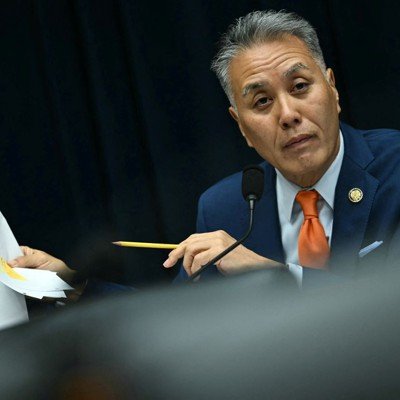
“There are many good aspects to H.R. 9237 for veterans, survivors and caregivers, but as long as those things are paid for by cutting benefits for other current or future veterans, I can’t support it,” said Rep. Mark Takano, D-Calif., top Democrat on the House Veterans Affairs Committee on Wednesday. “And I take great umbrage with the premise that the benefits outlined in TCAVA must be offset at all.”
No Republicans spoke on the House floor regarding either of the two bills Wednesday, and a motion to begin consideration of the Star Act passed by a 245-175 vote, with 34 GOP lawmakers joining Democrats in support of the measure. But during a moment of consternation following a vote on an unrelated bill, Rep. Addison McDowell, R-N.C., who was then gaveling House proceedings, called up TCAVA and passed it by voice vote, waiting roughly 1.5 seconds for a Democrat to potentially object.
Afterward, Takano said that ahead of this maneuver, he had been pulled aside by House majority staff to negotiate technical changes to one of the bills, taking him away from the floor. By passing the measure by voice vote, lawmakers were not required to go on record whether or not they actually support it, he said.
“It was painfully clear today that the majority did not have the votes to pass their egregious cuts to veterans’ benefits, so they did it in the most underhanded way possible instead,” Takano said. “This Republican party is so morally corrupt that they have to resort to tricks to get their misguided agenda through the House, because they knew it would fail if given an honest review.”
Veterans’ groups had similar vitriol for Wednesday’s votes.
“It is an insult to America’s veterans that Congress would advance legislation threatening their earned benefits on Veterans Day, the very day our nation is supposed to honor their service and sacrifice,” said Cory Geisler, national commander-in-chief of Veterans of Foreign Wars, in a statement. “And if congressional leaders believed this proposal was worthy of passage, they should have the courage to let every member’s position be recorded for the country to see. Playing political games with veterans’ benefits while avoiding public accountability is cowardly and dishonorable.”
During final debate on the Star Act Thursday morning, some Republicans said they supported the measure but preferred TCAVA and urged the Senate to advance that legislation instead.
“I rise in reluctant support of this bill,” said Rep. Mike Rogers, R-Ala. “I agree that [current] law is unfair is unfair and unjust. And I agree that it needs to be fixed as soon as possible. I just believe that we should pay for it.”
The Star Act passed by a 392-18 vote. While Democrats have said they are exploring avenues to reconsider Wednesday’s TCAVA vote, both measures now head to the Senate for consideration.
