

Sponsored by Blue Cross and Blue Shield Federal Employee Program
Dental and vision premiums aren’t seeing the same dramatic increases hitting FEHB in 2027, but that doesn’t mean you should automatically renew coverage.
Dental and vision premiums aren’t seeing the same dramatic increases hitting FEHB in 2027, but that doesn’t mean you should automatically renew the coverage you have.
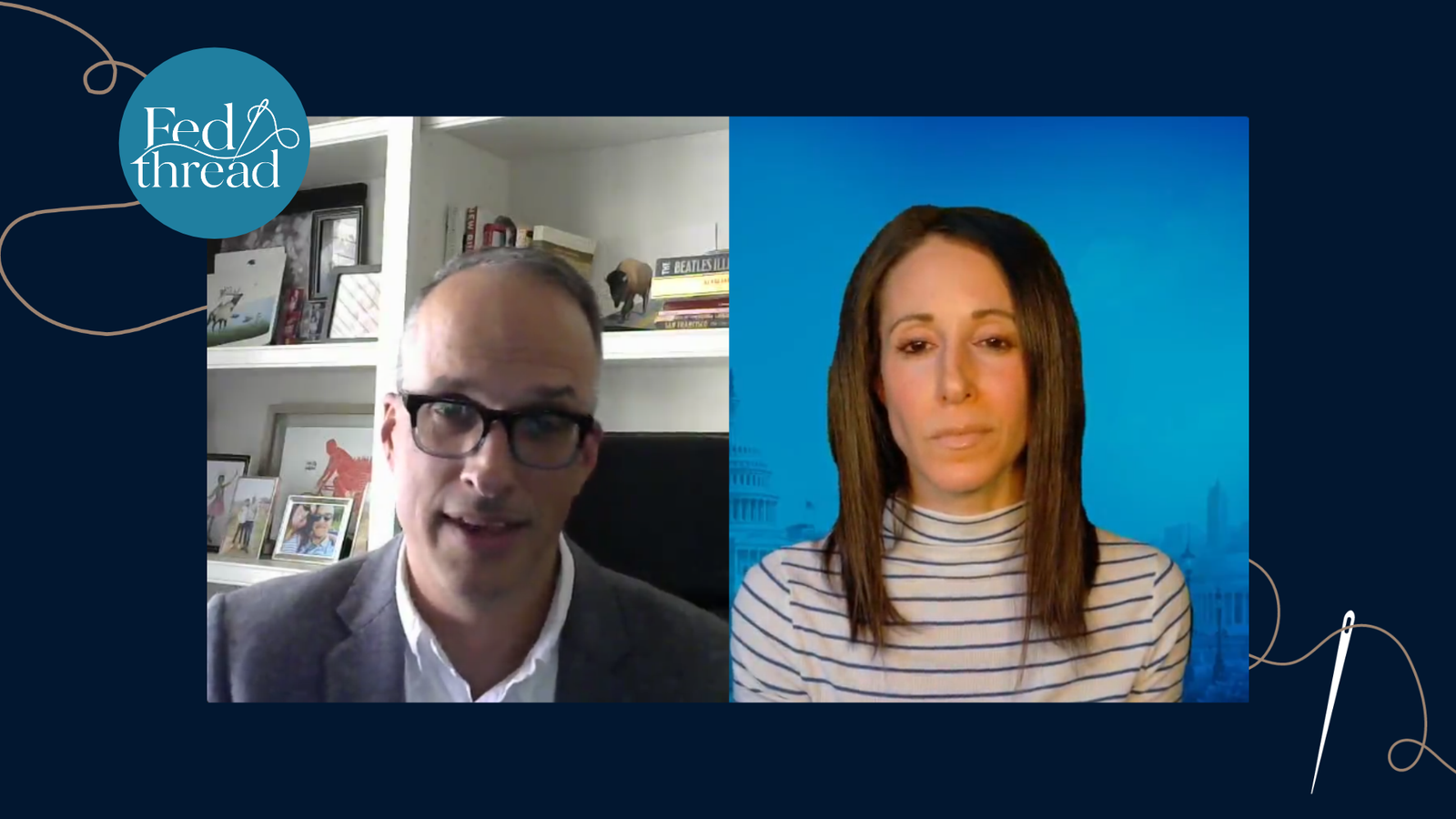
On this episode of Fed Thread, Kevin Moss, director of decision support and consumer outreach at Consumers’ Checkbook, clears up what’s changing and what’s staying the same in FedVIP next year, with a special focus on where enrollees may have opportunities to save.
Before making your FedVIP elections this Open Season, take this five-question gut check to be sure you’re getting your money’s worth.
- Are your premiums about to take a big jump?
Not this year. FedVIP is looking considerably steadier than FEHB for 2027. Moss says the average enrollee share of vision premiums is increasing 1.6 percent, while dental premiums are going up 1 percent. The same plans available this year will also remain available next year. While that’s welcome news, stable premiums don’t necessarily mean you should stay put.
- Does having dental and vision coverage through FEHB mean you don’t need FedVIP?
Maybe. Start by checking what your FEHB plan already provides. Some FEHB plans include dental benefits or offer discounts on certain services. Unlike FEHB, FedVIP has no government contribution toward the premium; you pay the full cost. That doesn’t make FedVIP a bad deal, but it does mean you should know what you’re already getting before paying for more.
- Is the cheapest plan always the best value?
Not if it doesn’t include your dentist. Moss’s advice is to start by checking whether your preferred dentist or eye doctor is in network before getting lost in premiums, copays and benefit details. Going out of network can mean higher costs, and some dental plans impose annual benefit maximums for out-of-network care, even when their in-network coverage is more generous.
- Should you pay attention to the fine print if nothing major is changing?
Absolutely. Moss recommends reviewing Section 2 of the plan brochure. Even when the big picture looks familiar, the details can matter, including annual maximums, coinsurance, orthodontia and what the plan will pay for particular services. A plan that worked well for your needs in the past may not be the right fit anymore.
- Are there ways to make the out-of-pocket costs easier to manage?
Yes. Moss walks through how flexible spending accounts (FSA) and health savings accounts (HSA) can complement coverage, including how a limited expense FSA can help cover dental and vision costs while allowing HSA funds to remain invested. He also shares a lesser-known HSA strategy involving saving receipts and seeking reimbursement years later, which showcases the flexibility these accounts can offer, though the rules and recordkeeping still matter.
FedVIP shouldn’t be treated as a set-it-and-forget-it benefit. Your providers, your expected care and the coverage you already have should all factor into the decision.
Listen to the full Fed Thread conversation for a closer look at the 2027 plans, the details worth comparing and the strategies that could help you get more from your benefits.
Catch more conversations on podcast platforms, YouTube or on the Fed Thread hub page.
Copyright
© 2026 Federal News Network. All rights reserved. This website is not intended for users located within the European Economic Area.
