

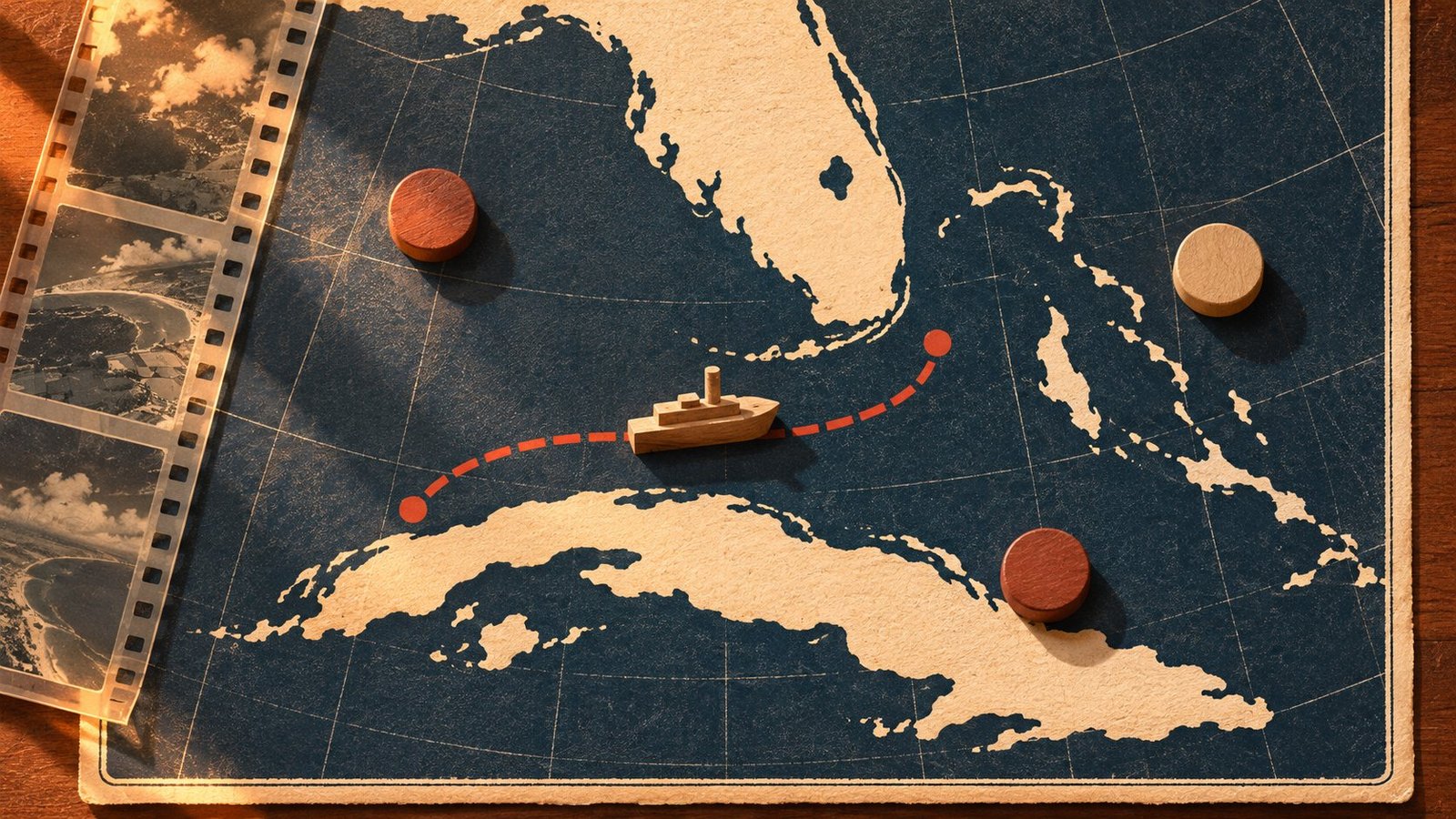
Your ally thinks an invasion is coming. They want something more convincing than another promise, and you have missiles that can reach your rival from their territory. Put them there quietly and you might deter an attack before anyone has to make a speech. Get caught halfway through and you’ve handed your rival a reason to act before the sites are ready.
That’s a turn I want to play. A strategy game could start it with a pop-up called The Cuban Missile Crisis, offer a few options, and tell me how much each one raises the danger. But I’d rather be the one who decides whether to send the missiles in the first place, and then watch a move that makes sense on my side of the map start to look intolerable on yours.
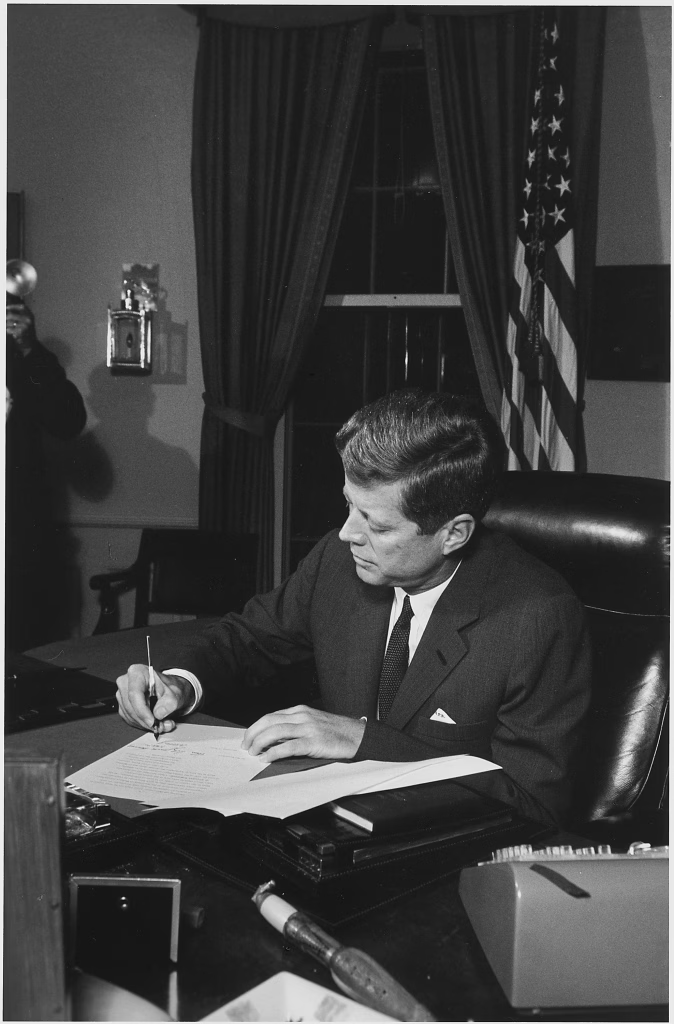
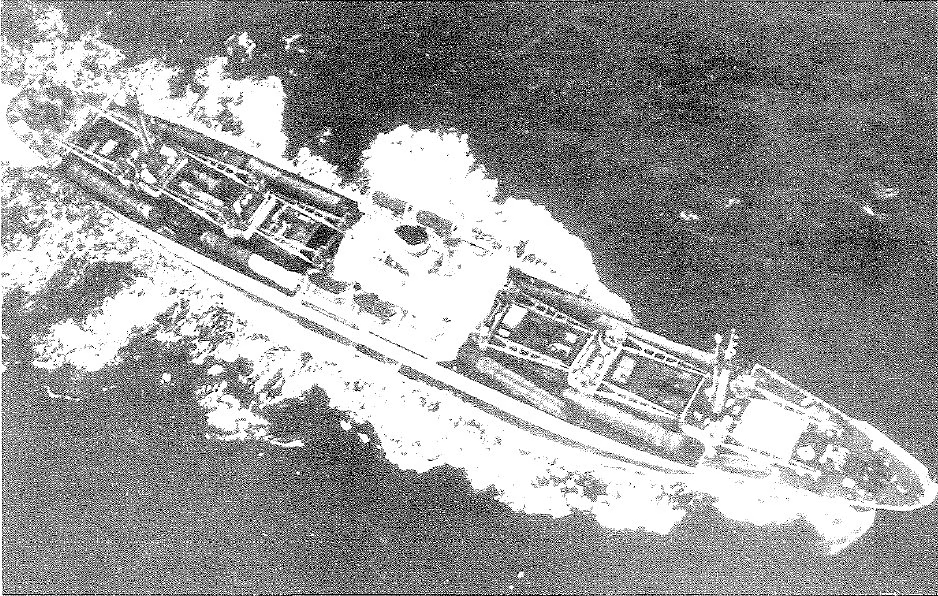
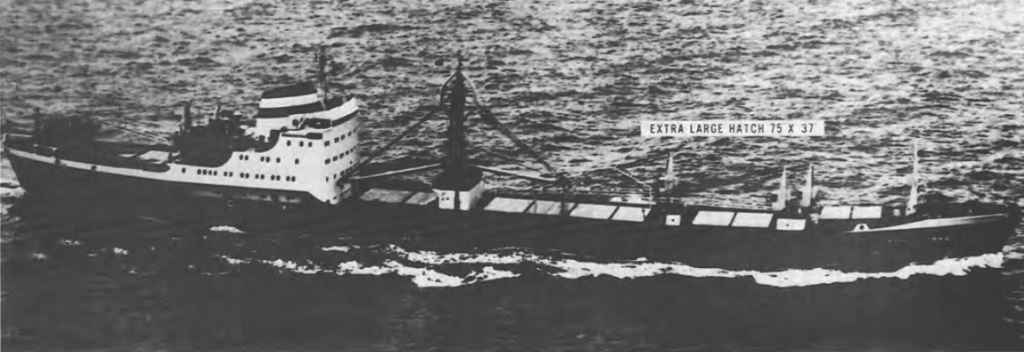
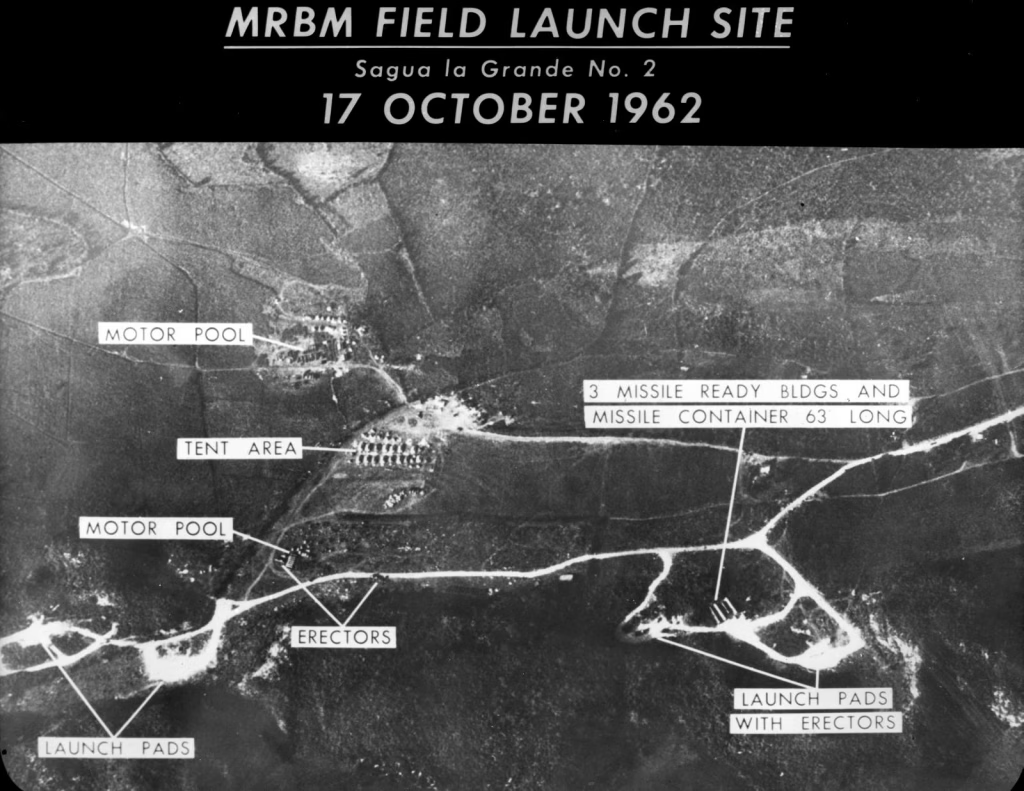
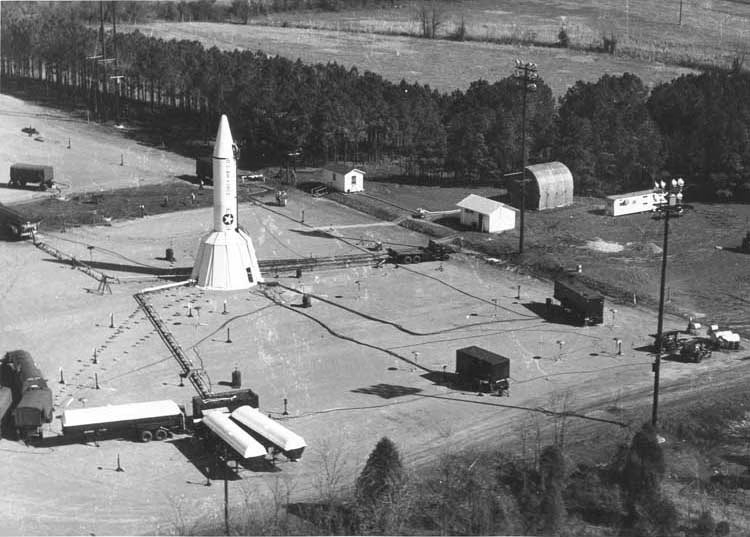
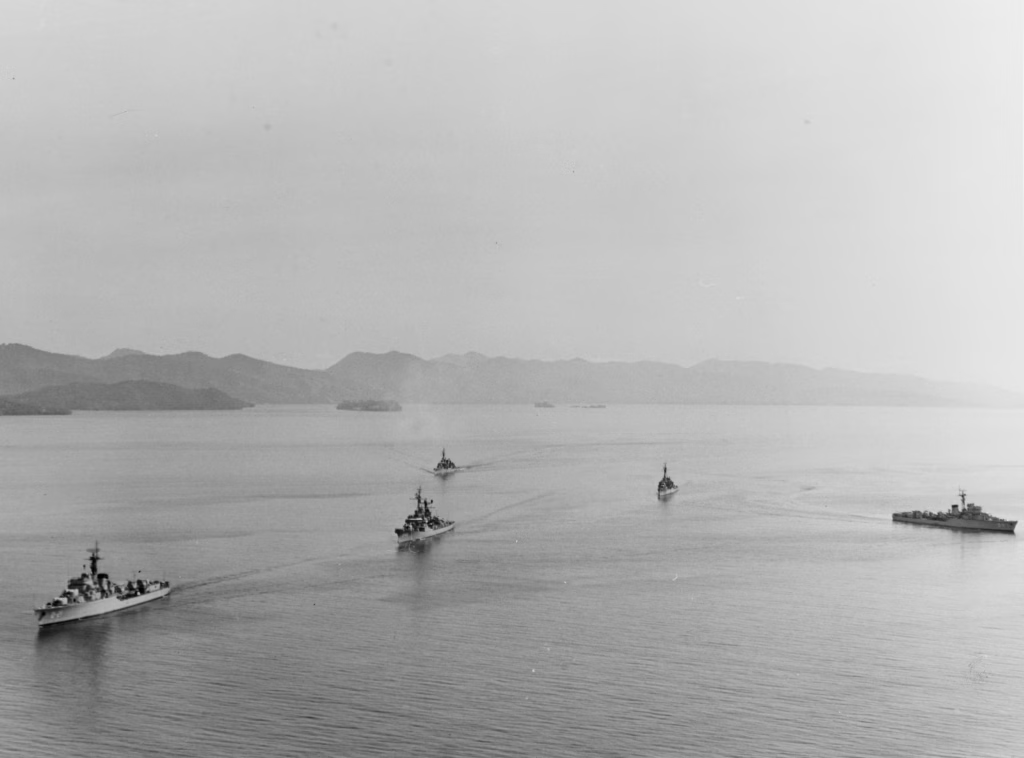
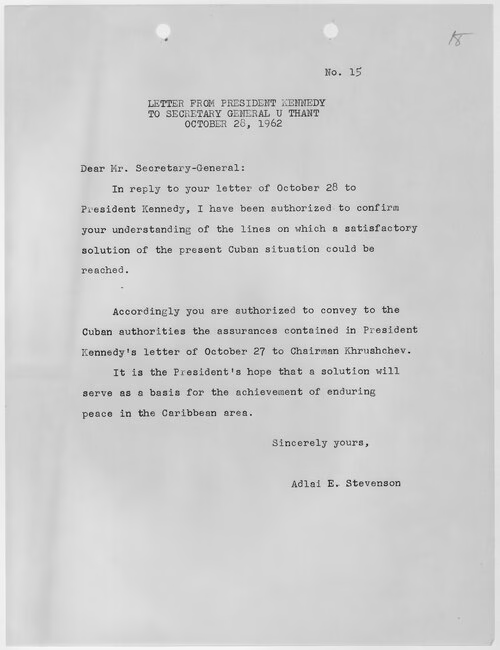
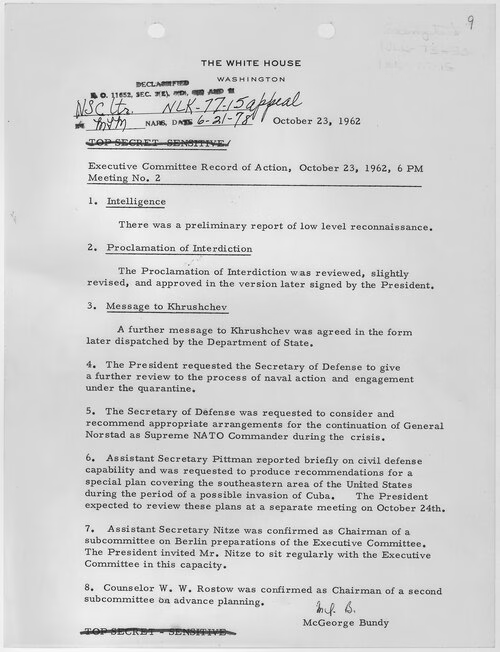
The historical sequence is a good starting point. After the failed Bay of Pigs invasion and amid continued U.S. efforts against Castro’s government, Cuba and the Soviet Union reached a secret agreement to place Soviet nuclear missiles on the island. A U.S. U-2 photographed sites under construction on October 14, 1962. Kennedy announced a naval quarantine on October 22. The eventual settlement involved a U.S. assurance against invading Cuba and a private understanding that U.S. Jupiter missiles would be removed from Turkey. The design question is which decisions a game should let players make for themselves.
Make the deployment tempting
Start the hypothetical turn with an ally who can say no. Their government fears an invasion and wants a commitment it can count on. You can make a public guarantee, send conventional troops, or ask for permission to build missile sites. The guarantee is quick, but the ally may doubt you’ll honor it. Troops are tangible, but they’re troops you can’t use somewhere else. The missiles offer a stronger deterrent once they’re ready, but building the sites leaves evidence.
That last option should feel like something a cautious player might choose. If the interface puts a red skull next to it and calls it reckless, the designer has already made half the decision. Show the benefits you expect, the time the sites need, and the chance that construction will draw attention. Let the player see why secrecy is useful: it buys time to finish the deployment, but delays the moment the weapons can deter anyone who doesn’t know they’re there.
The host government should have a price of its own. Maybe it accepts the missiles only if it gets conventional defenses as well. Maybe it prefers a public guarantee because it wants the rival to hear the commitment today. Give the ally even one credible reason to refuse and suddenly the negotiation matters.
Let both players act on partial information
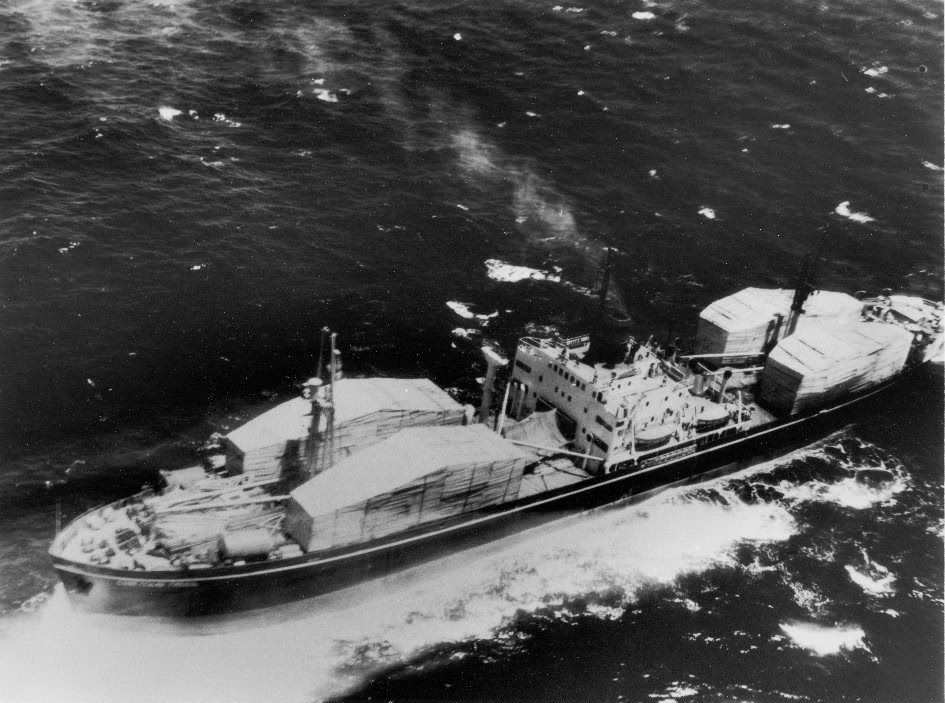
On the other side of the map, the first clue might be unusual shipping. That’s enough to justify a reconnaissance flight, but it doesn’t tell you what’s in the crates. The next report shows construction consistent with a missile site. Now you have a better idea of what’s coming, but still no firm answer about when the weapons will be ready. Meanwhile, the player building the sites may know they’ve been photographed without knowing how much the photos revealed.

A label like “Suspected missile site; readiness unknown” gives you something you can act on. A generic escalation meter gives you a number and leaves you guessing what made it move. If you can see the difference between what your analysts suspect and what they can confirm, you can decide whether another flight is worth the time or whether it’s time to send a private warning.
Going public is a decision in its own right. Revealing the photos might bring allies on board and give you support for a quarantine. It can also turn a demand you might have quietly softened into one you have to defend in front of everyone. The photo changes what you know. Publishing it changes what you can plausibly do next. A good Cold War game gives the player control over both.
Give the players a way out they can live with
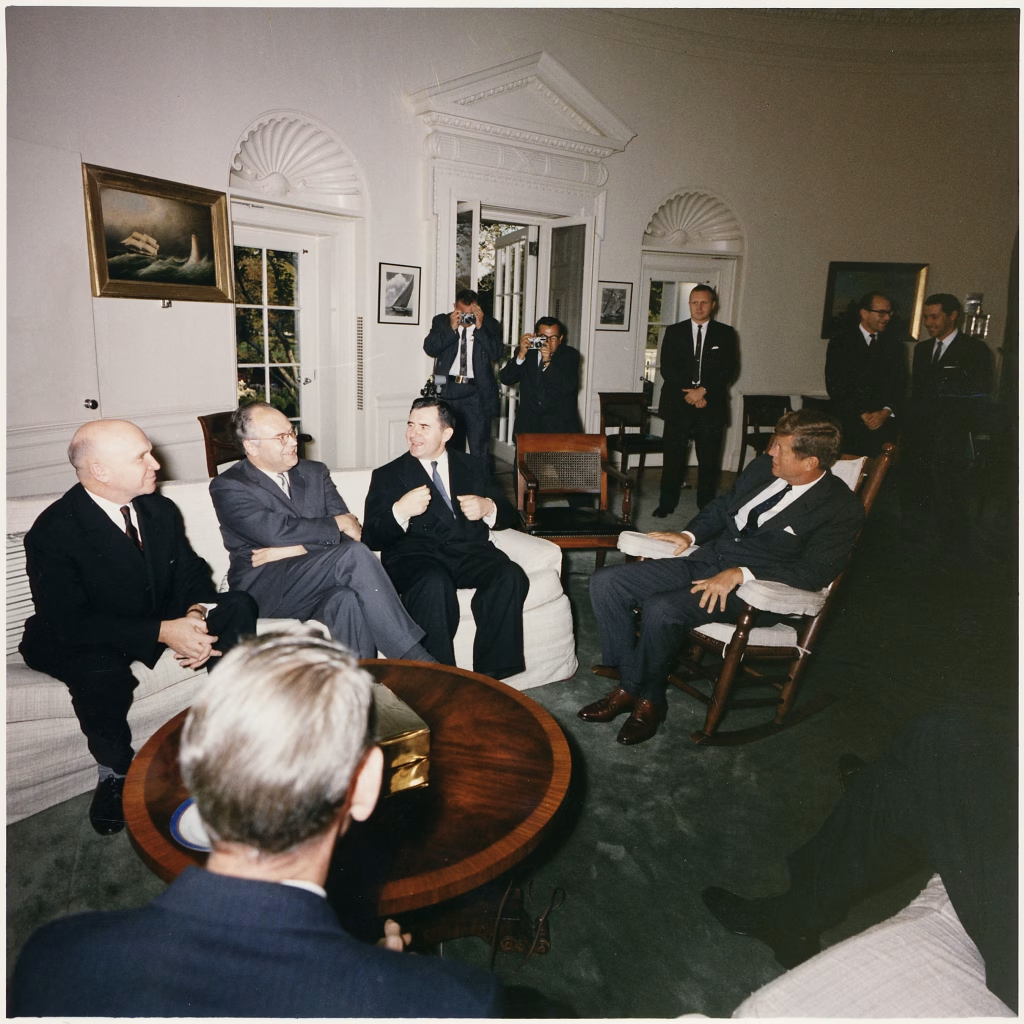
Suppose the deployments are confirmed and ships are on their way. The obvious options are a strike, a quarantine, or a demand for withdrawal. I’d look first at what you can put on the table that lets the other side withdraw. A promise against invasion addresses the host’s original fear. A concession elsewhere might give your rival a reason to accept the deal, especially if it can stay private. Neither offer has to erase the costs you’ve already incurred.
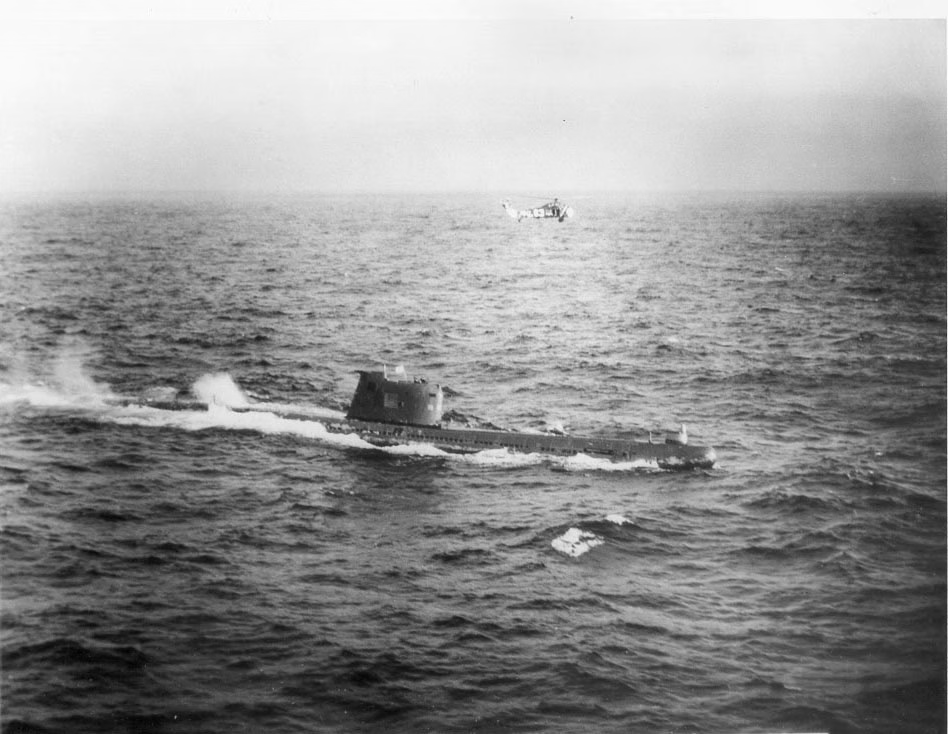
A settlement should leave something behind for the next turn. If you pull the missiles after promising protection, does your ally believe the new guarantee? If you give up a deployment somewhere else, what does the ally there make of it? You can model that through what those governments ask for next time: a public commitment before granting access, more aid before agreeing to a deployment, or a refusal to host weapons at all.
A concession and a guarantee are different offers. A concession gives up something already on the map. A guarantee asks the other player to believe you’ll behave differently later, when the incentives might have changed. If those offers are interchangeable in the negotiation screen, the game misses why an ally might prefer troops it can see to a promise it has heard before.
And sometimes there should be nothing to settle. The ally accepts the guarantee on the first turn. Or the rival spots enough suspicious activity to make an offer before the first missiles arrive. You might come away thinking you played an uneventful round of diplomacy. From the designer’s side, that quiet outcome proves the crisis wasn’t sitting on a timer waiting for you to reach October.
What I’d put in the prototype
I’d start with three actors, one possible deployment, two stages of intelligence, and a private channel for making offers. Run the same opening twice. In one game, the rival goes public with the evidence. In the other, they use it to bargain. If both routes feel identical except for the final score, the game hasn’t captured what public commitments do. If the players can point to a deal that was available before the announcement and became politically impossible afterward, you’ve got something worth building on.
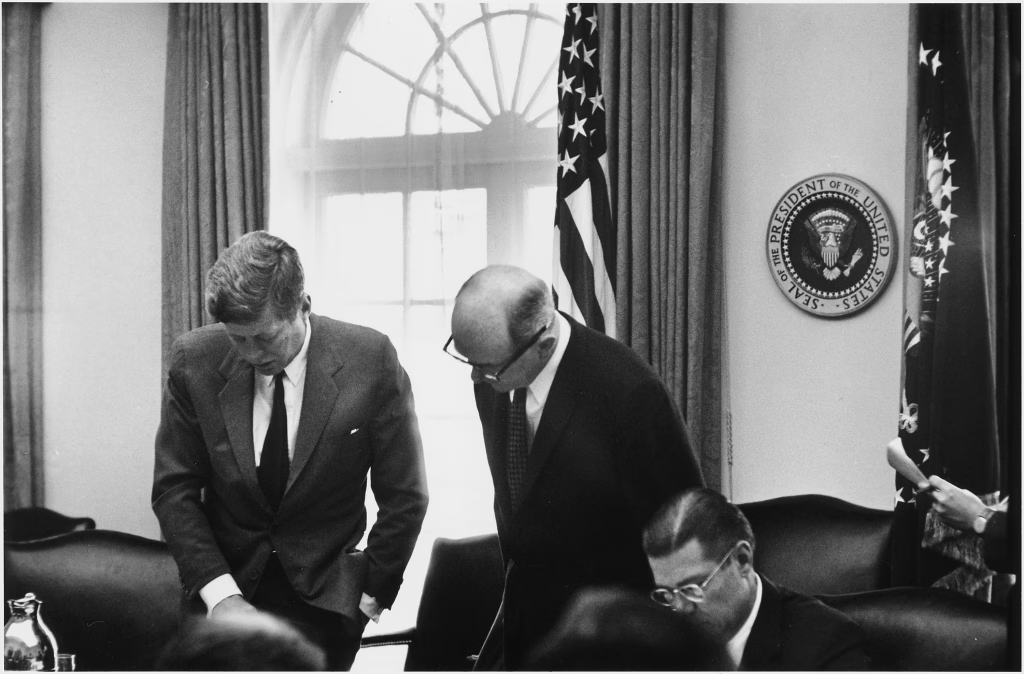
There’s still room for a scripted October 1962 scenario. Starting with the photographs already on Kennedy’s desk gets players straight to the response, which is a good premise for a short game. A campaign can do something different: put the players in a position where each choice seems defensible at the time, then let them decide whether to make the next one. My test: take the name of the historical crisis off the screen. Can the players still tell you how they got there, and point to a moment when they could have taken another way out?

Semi-retired game designer and developer trying to use my experience to enhance the strategy and strategy adjacent gaming sector. Strategy game player for over 35 years. Game development experience in AAA, Indie, and Board.
