


Abstract
For decades, debate surrounding European defense has focused predominantly on capability shortfalls, defense spending targets, and burden-sharing metrics within NATO. However, contemporary security literature demonstrates that the principal vulnerability of European security is not merely a quantitative deficit in military hardware, but a qualitative and structural dependency on United States strategic leadership. This paper argues that European Allies face a profound challenge of leadership dependency; a systemic reliance on U.S. threat assessment, political initiative, operational planning, and crisis decision-making. Transitioning toward a sustainable model of European security requires moving beyond capability accumulation to foster strategic leadership, institutional agility, and political initiative. By examining the institutional friction points between NATO and the EU, the psychological dynamics of the “follower mentality,” the dependence on strategic enablers, and the imperatives of European-led interoperability, this study outlines a strategic framework for cultivating autonomous European defense leadership as a complementary pillar within the Atlantic Alliance.
Introduction: The Leadership Paradox in European Defense
The central dilemma facing contemporary European security is no longer whether Europe must assume greater responsibility for the continent’s defense, but whether Europe and NATO can develop the strategic leadership, political will, and institutional capacity to act proactively rather than remain structurally dependent on American initiative. For nearly eight decades, transatlantic defense discourse has operated within a well-rehearsed framework centered on burden-sharing metrics. From the 2014 NATO Wales Summit target of spending 2% of GDP on defense to subsequent procurement benchmarks, the debate has treated European strategic weakness as a primary function of resource underinvestment. While capital investment and force modernization remain indispensable, this emphasis obscures a deeper, more pervasive vulnerability: strategic leadership dependency. As the European Council concluded during a strategic discussion held on June 2023 and March 2024 regarding European security readiness, “The defense of Europe requires a comprehensive concept of security… enhanced and coordinated military and civil preparedness and strategic crisis management are required.”
Given these imperatives and Europe’s ongoing institutional coordination challenges, increasing defense expenditure, procuring advanced military platforms, and expanding force structures do not, in themselves, resolve Europe’s structural dependency on the United States. Moreover, strategic leadership requires the capacity to identify emerging threats, establish strategic priorities, formulate political decisions under time pressure, generate viable military options, and command complex multinational operations, including in scenarios where U.S. engagement is limited, delayed, or redirected.
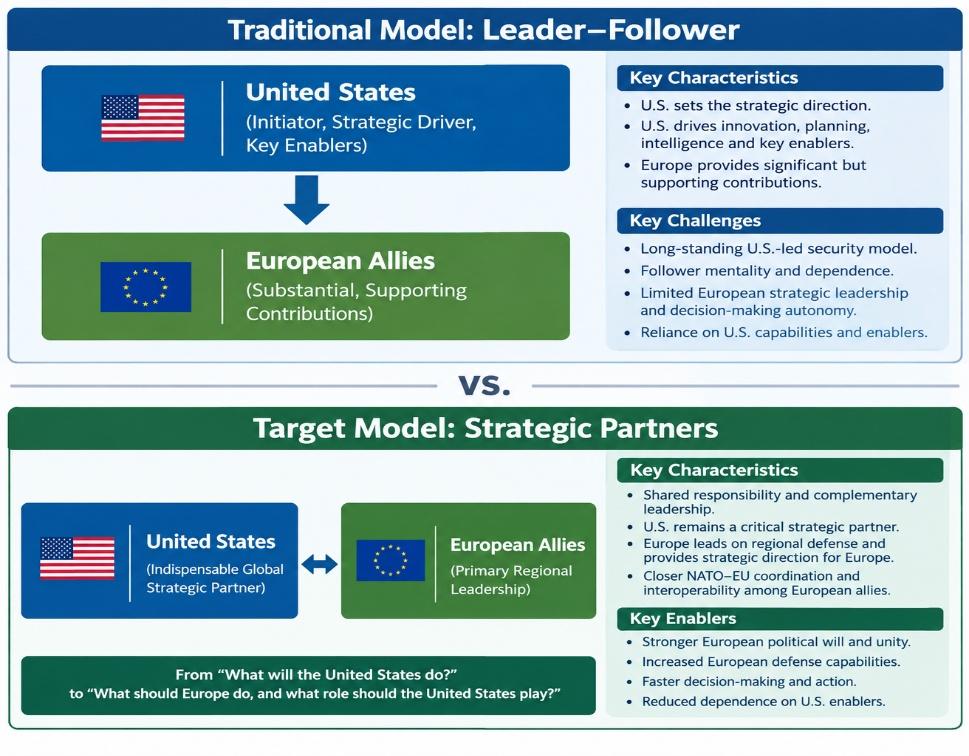
Figure 1: Leader -Follower model vs Strategic model
As illustrated in Figure 1, understanding this challenge necessitates distinguishing between reducing U.S. responsibility and Europeanizing security leadership. The objective of European strategic autonomy or Europeanized defense within NATO is not to supplant or exclude the United States. Rather, it is to transform a leader-follower dynamic into a balanced partnership of complementary leadership responsibilities. Without a fundamental change in strategic culture, political decision-making mechanics, and operational frameworks, increased European defense spending risks producing larger supporting forces rather than self-directed strategic actors.
The Anatomy of Leadership Dependency
To understand the institutional and psychological barriers to European strategic action, we must dissect the mechanisms through which U.S. leadership dependency became embedded in the transatlantic alliance architecture.
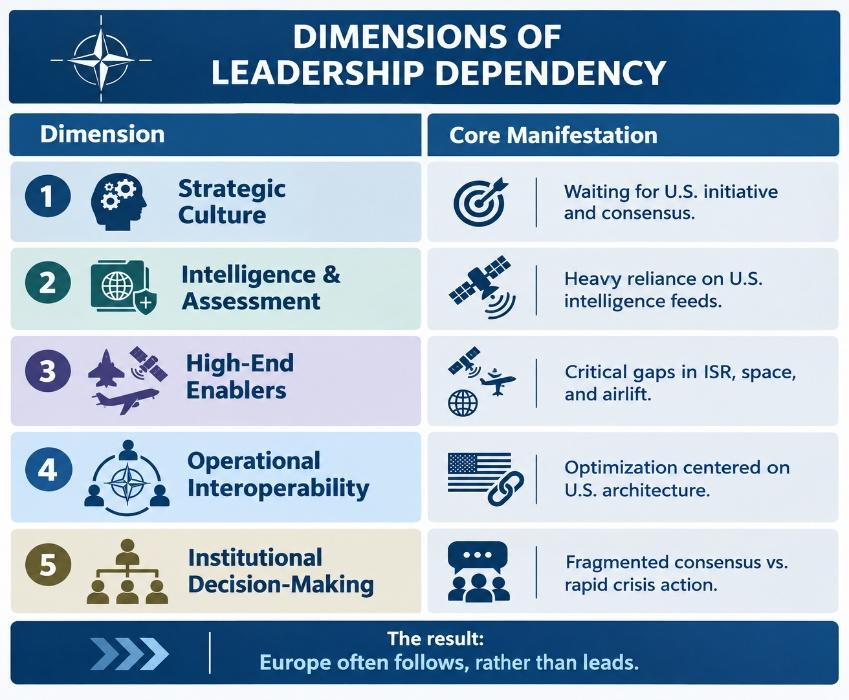
Figure 2: Dimensions of Leadership Dependency
As illustrated in Figure 2, European strategic reliance operates across five core dimensions: strategic culture, intelligence assessment, high-end enablers, operational interoperability, and institutional decision-making. Each dimension presents a distinct vulnerability, ranging from waiting for U.S. consensus and relying on American intelligence feeds to persistent gaps in ISR, space, airlift, and decision-making bottlenecks during rapid-onset crises. Together, these structural manifestations reinforce a systemic leader-follower dynamic where Europe frequently follows rather than takes the lead in its own regional security.
2.1 The Long-Standing U.S.-Led Security Model
Since the signing of the North Atlantic Treaty in 1949, NATO’s strategic direction, military innovation, operational planning, intelligence architecture, high-end enablers, and crisis-response mechanisms have been shaped predominantly by the United States. European allies entered into a structural contract: the United States provided the ultimate nuclear deterrent, advanced command-and-control (C2), strategic intelligence, and global operational enablers, while European allies provided forward-deployed ground forces, localized air defense, and basing infrastructure.
This strategic dependency is further exacerbated by an over reliance on off-the-shelf American defense platforms, as evidenced by European states directing the vast majority of their capability investment budgets toward U.S. military hardware, specifically high-tier acquisitions such as F-35 fighter aircraft, Patriot missile defense batteries, and Tomahawk missiles, rather than sovereign European alternatives.
This dependency is most acute in operational command-and-control (C2) and strategic intelligence. Despite substantial European aid to Ukraine, target generation, situational awareness, and theater-level coordination remain fundamentally anchored to U.S. C2 networks and intelligence platforms. The war in Ukraine has shown that Europe still lacks a standalone, campaign-level joint command structure, leaving allies structurally dependent on Washington for operational direction and execution
Over decades, this division of labor institutionalized a division of intellectual and operational responsibility. The U.S. assumed the role of strategic initiator, threat-framer, and operational architect, while European allies operated as force providers and supporters. Consequently, European defense planning developed reactively, aligning national force structures to fit into U.S.-designed operational frameworks rather than preparing for independent strategic action.
2.2 The Psychological Dimension and the “Follower Mentality”
The most stubborn obstacle to European strategic leadership is not material, but psychological and cultural. Decades of structural reliance have fostered a “follower mentality” across European political elites, civil services, and military staffs.
When faced with emerging crises, whether in the Balkans, Eastern Europe, the Middle East, or the Mediterranean, the default strategic question in European capitals has consistently been: “What will the United States do?” This orientation reflects an entrenched habit of waiting for Washington to provide threat assessments, establish political consensus, and propose operational options.
Moving toward European leadership requires shifting the foundational strategic question to: “What should Europe do, and what role should the United States play?” This conceptual realignment represents a profound shift in strategic culture. Culture cannot be updated through budget allocations or equipment purchases; it requires deliberate institutional habits, routine exercise of independent responsibility, and a willingness to accept political risk.
2.3 Leadership versus Capability
A central fallacy in contemporary defense policy is the assumption that capability automatically yields leadership. While military capabilities represent the necessary muscle of strategy, leadership represents the central nervous system. Possessing advanced fighter aircraft, armored brigades, or naval combatants does not grant a nation or coalition the capacity to act autonomously if those forces cannot be directed, sustained, or employed without external strategic direction.
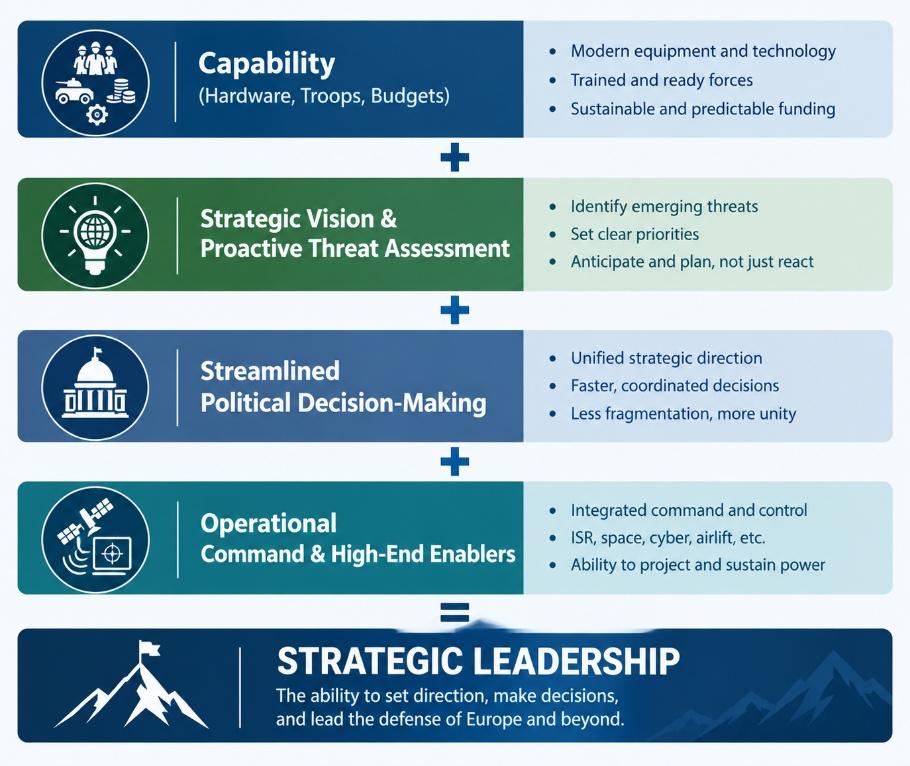
Figure 3: Strategic Leadership
As illustrated in Figure 3, achieving true strategic leadership requires far more than quantitative defense capabilities, combining raw hardware and funding with proactive threat assessment, streamlined political decision-making, and high-end operational enablers. Only by integrating all four pillars can European allies build the unified command structures, strategic vision, and power projection needed to set direction and independently lead regional defense.
Coalition Strategic leadership requires:
- Intellectual Autonomy: The capability to conduct independent strategic reconnaissance, synthesis, and threat assessment.
- Political Decisiveness: The ability to navigate divergent national interests to formulate timely collective decisions.
- Operational Command: The capacity to plan, command, and sustain high-intensity, multi-domain joint operations across extended timelines.
Structural Barriers to European Strategic Autonomy
Transforming European defense requires overcoming core structural barriers that reinforce dependency on the United States.
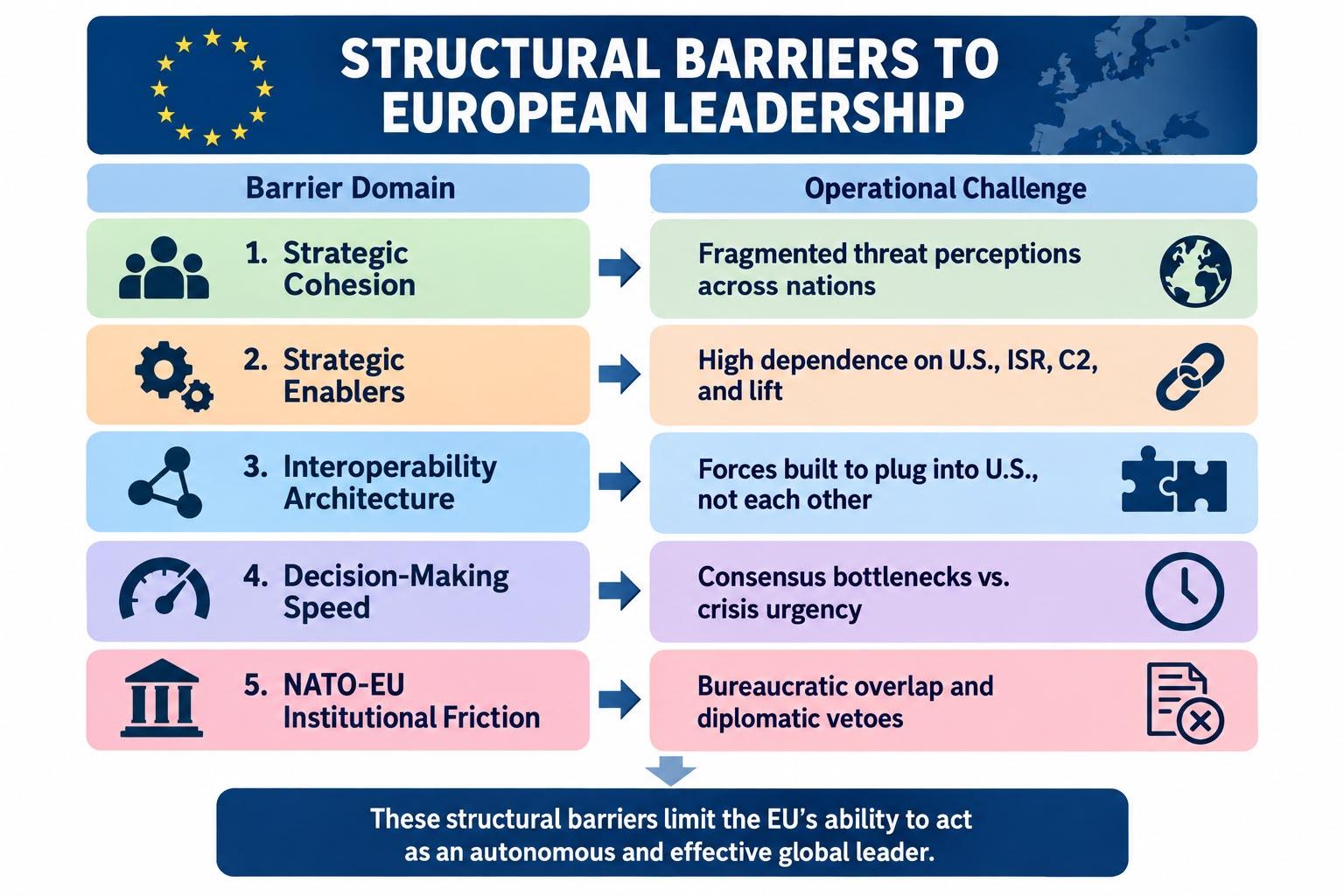
Figure 4: Structural Barriers to European Leadership
Figure 4 depicts the major structural barriers that limit the EU’s ability to act as an autonomous and effective global leader, mapping five key domains to their operational challenges
3.1 The Fragmentation of European Strategic Vision
“Europe” does not function as a singular strategic actor. NATO comprises 32 sovereign member states, 30 of which are European, while the European Union includes 27 member states, with significant but incomplete institutional overlap.
European states display markedly different threat perceptions shaped by geography, history, and strategic culture:
- Eastern Flank States (e.g., Poland, the Baltic nations, Finland) prioritize high-intensity conventional deterrence against state aggression.
- Southern European States (e.g., Italy, Spain, Greece) prioritize maritime security, counter-terrorism, and managing demographic and instability pressures across the Mediterranean and Sahel.
- Western and Central European States (e.g., France, Germany, the Low Countries) often seek to balance these priorities while wrestling with competing domestic economic demands and distinct visions for European integration.
Developing a unified European strategic direction without creating competing chains of authority between NATO, the EU, and coalitions of sovereign states remains a primary institutional challenge.
3.2 Dependence on U.S. Strategic Enablers
European operational capability is constrained by persistent dependencies on U.S. high-end strategic enablers. While European allies maintain tactical and operational capabilities, they rely heavily on American systems for critical campaign-level functions.
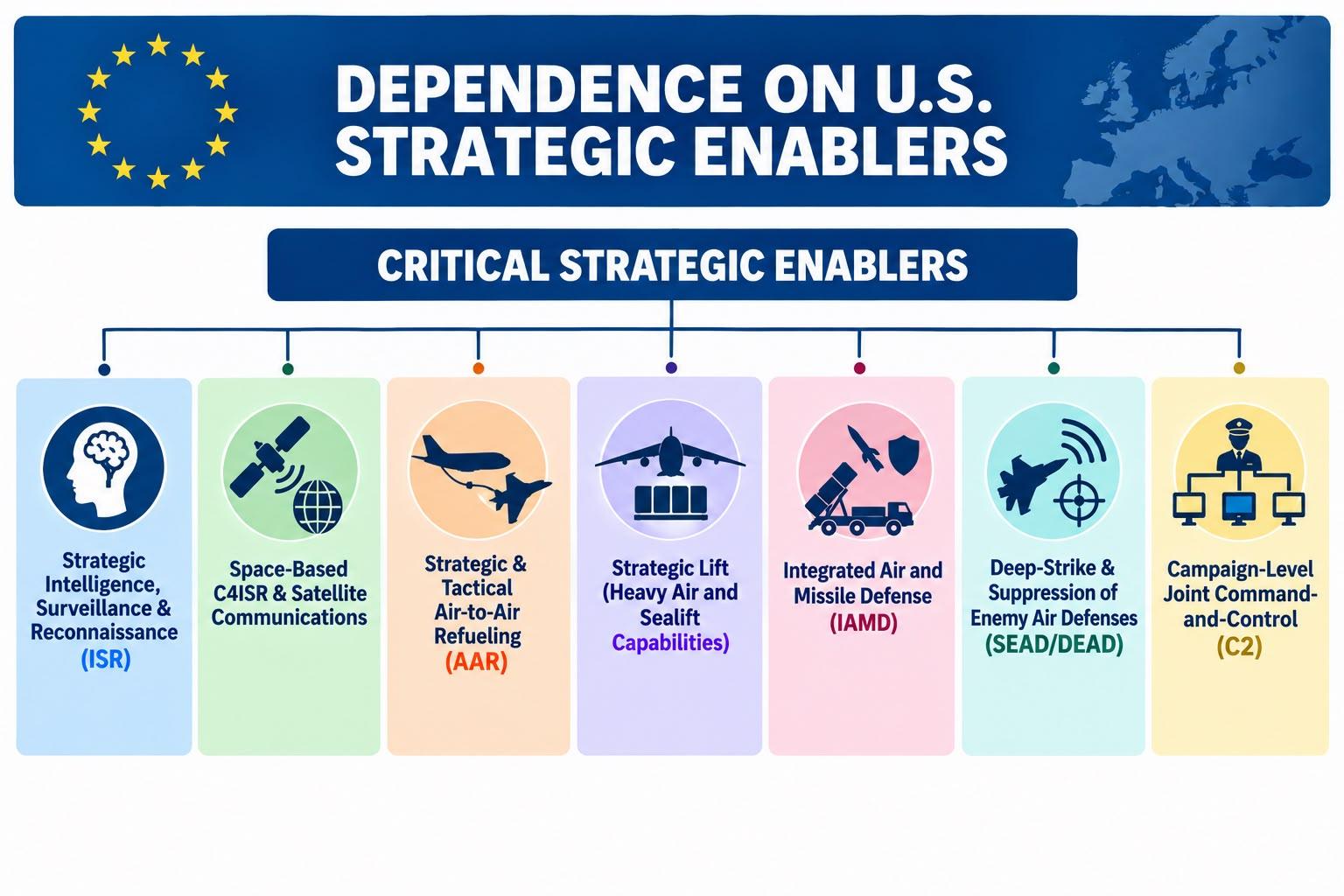
Figure 5: Dependency on U.S. Strategic Enablers
As Figure 5 shows, without these enablers, European armed forces cannot conduct or sustain high-intensity operations without U.S. participation. For example, during the 2011 air campaign in Libya, despite significant contributions from European air forces, allies required U.S. assistance for targeting intelligence, airborne refueling, electronic warfare, and precision-guided munition resupply. Until Europe fields sufficient, sovereign alternatives to these enablers, its strategic autonomy will remain fundamentally constrained.
3.3 From U.S. Interoperability to European Interchangeability
Historically, NATO forces prioritized interoperability centered on American systems, communications protocols, and doctrine. European militaries designed their platforms to integrate into a U.S.-led architecture, often assuming American command, control, and communications assets would serve as the operational backbone.
A Europe-led defense framework requires shifting from U.S.-centric interoperability toward European interchangeability. European armed forces must be capable of integrating with one another at scale across all operational domains (land, sea, air, cyber, space) without requiring American C2 nodes or data translation hubs. This demands harmonized operational doctrines, unified digital communication standards, and combat systems that can exchange targeting data across national boundaries seamlessly.
3.4 Political Decision-Making Mechanics and Strategic Speed
The temporal dimension of strategy presents another critical barrier. The United States executive structure allows for rapid strategic assessments and decisive action during emerging crises. In contrast, European decision-making is naturally multi-layered, consensus-driven, and politically constrained.
Within NATO, the rule of unanimity at the North Atlantic Council (NAC) grants every ally a veto. Within the EU, Common Security and Defence Policy (CSDP) decisions similarly require unanimity among member states. During rapid-onset, high-intensity crises, the time required to reconcile 27 or 30 distinct national political viewpoints can produce paralysis or delayed responses. A Europe capable of leadership requires operational mechanisms and political habits that accelerate the transition from consultation to decision to action.
Operationalizing European Strategic Leadership
Overcoming these challenges requires concrete policy initiatives across four operational pillars: Strategic Intelligence, Decision-Making Mechanics, Industrial Integration, and Strategic Enablers.
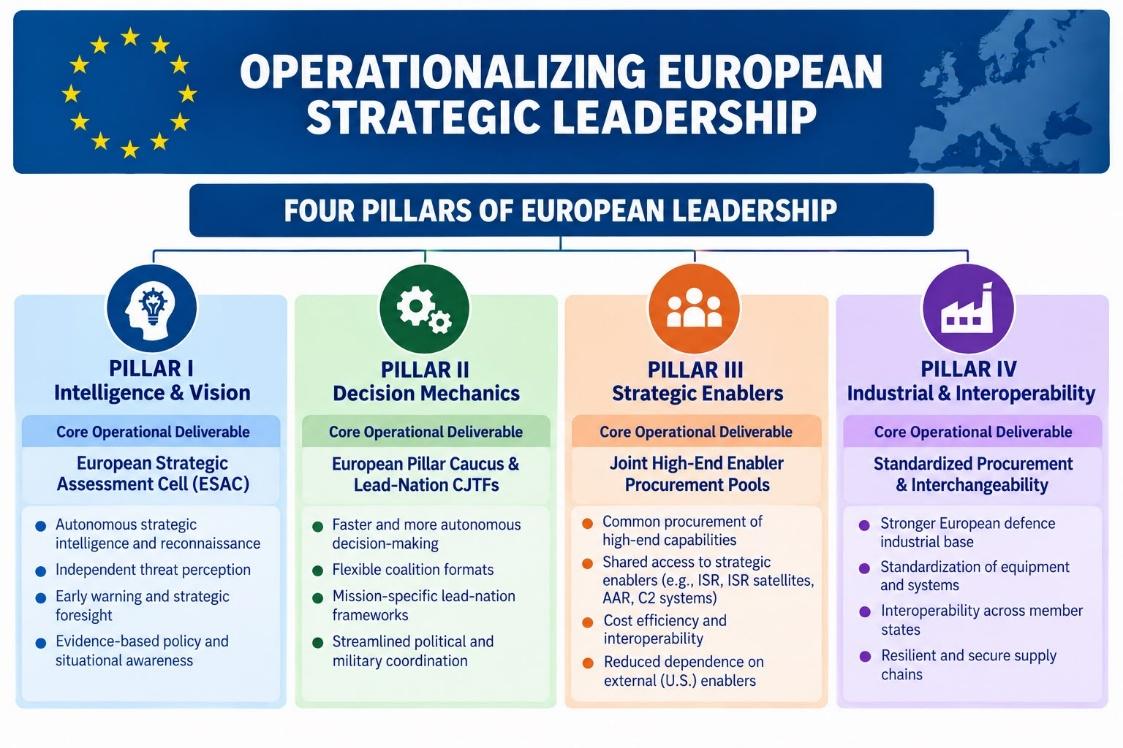
Figure 6: Operationalizing European Strategic Leadership
Figure 6 highlights a practical framework for operationalizing European strategic leadership across four distinct pillars:
- Pillar I: Intelligence & Vision: Centered on the European Strategic Assessment Cell (ESAC) to deliver autonomous strategic ISR, independent threat assessments, and early warning foresight.
- Pillar II: Decision Mechanics: Focused on the European Pillar Caucus and Lead-Nation CJTFs to enable faster, more flexible, and streamlined political-military decision-making.
- Pillar III: Strategic Enablers: Driven by joint procurement pools to provide shared access to high-end capabilities like ISR satellites, AAR, and C2 systems, reducing external reliance.
- Pillar IV: Industrial & Interoperability: Geared toward standardized procurement and interchangeability to strengthen the defense industrial base, standardize systems, and build resilient supply chains
4.1 Pillar I: Autonomous Strategic Intelligence and Reconnaissance
Strategic autonomy begins with independent threat perception. As former European Commission President José Manuel Barroso emphasized regarding European power projection, “The European Union also needed to step up the mark in the area of defence, and I have called for it in each of my State of the Union speeches. We need to reinforce our common foreign and security policy and a common approach to defence matters, because only together do we have the power and the scale to shape the world into a fairer, rules-based place that upholds human rights.” If European political leaders rely primarily on U.S. intelligence summaries and targeting feeds to understand emerging threats, their strategic responses will remain reactive to American priorities.
Policy Initiatives:
- Establish a European Strategic Assessment Cell (ESAC): Create a dedicated, permanent intelligence synthesis body within NATO’s European command structures, staffed by European intelligence agencies. The ESAC would fuse national sovereign intelligence streams into unified, European-led threat assessments provided directly to the NAC and the EU’s Political and Security Committee (PSC).
- Accelerate Sovereign Space-Based ISR Integration: Pool national space assets, such as France’s CSO, Germany’s SAR-Lupe/SARah, and Italy’s COSMO-SkyMed) into a synchronized European Space Reconnaissance Constellation, providing continuous real-time targeting and imagery intelligence independent of U.S. commercial or military satellite networks.
4.2 Pillar II: Streamlining Decision Mechanics and Command Structures
To bridge the gap between consensus-based diplomacy and operational speed, Europe must adapt its decision-making mechanics within NATO and EU frameworks.
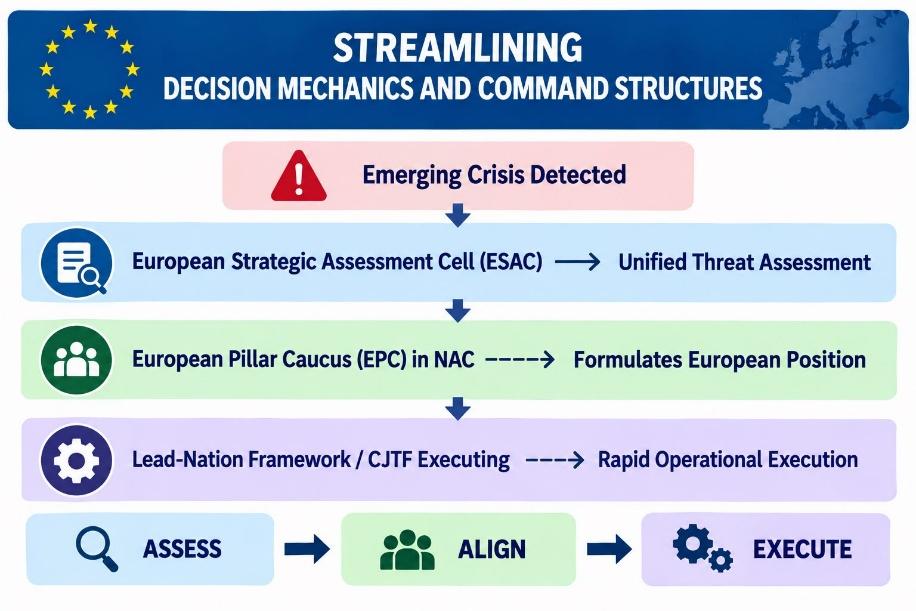
Figure 7: Decision mechanism and Command Structure
Figure 7 illustrates the streamlined operational sequence for European decision mechanics during a rapid crisis, moving linearly through three distinct phases:
- Assess: Upon detecting an emerging crisis, the European Strategic Assessment Cell (ESAC) synthesizes intelligence to generate a unified threat assessment.
- Align: The European Pillar Caucus (EPC) within the North Atlantic Council (NAC) deliberates to formulate a shared European political position.
- Execute: A lead-nation framework or Combined Joint Task Force (CJTF) takes command to carry out rapid operational execution.
Policy Initiatives:
- Institutionalize a “European Pillar Caucus” (EPC) within NATO: Before formal NAC deliberations during regional crises affecting European security, European allies should meet within a formal EPC framework to align strategic priorities, debate options, and present unified proposals. This reduces fragmentation and elevates European initiative within alliance structures.
- Operationalize Lead-Nation Combined Joint Task Forces (CJTFs): Rather than relying on central consensus for every operational detail, NATO (in this context) should formalize framework-nation command structures. Regional military anchors such as the Weimar Triangle (France, Germany, Poland), a Nordic-Baltic coalition, or a UK-led Joint Expeditionary Force (JEF), should be pre-designated and certified as primary operational headquarters for specific geographic domains, capable of launching operations with NATO assets when U.S. forces are not engaged.
4.3 Pillar III: Joint Procurement and Pooling of Strategic Enablers
Closing the enabler gap requires departing from fragmented national procurement projects, which often produce inefficient, small-scale orders incapable of matching strategic needs.
Policy Initiatives:
- Expand Multinational Capability Fleets: Expand pooled capability models such as the Multinational Multi-Role Tanker Transport Fleets (MMF) and the Airborne Early Warning & Control (AWACS) force to address other critical enabler gaps.
- Dedicated EU-NATO Enabler Procurement Fund: Utilize financial mechanisms like the European Defence Fund (EDF) and Permanent Structured Cooperation (PESCO) to fund high-end enablers specifically designed for seamless deployment through NATO’s Allied Command Operations (ACO).
4.4 Pillar IV: Industrial Integration and Interchangeability Standards
European defense industrial fragmentation remains a primary obstacle to operational self-reliance and sustained capability generation. As scholarly assessments of EU strategic autonomy demonstrate, aligning procurement choices with continental autonomy goals requires overcoming internal binding friction between allies.
Why it matters?
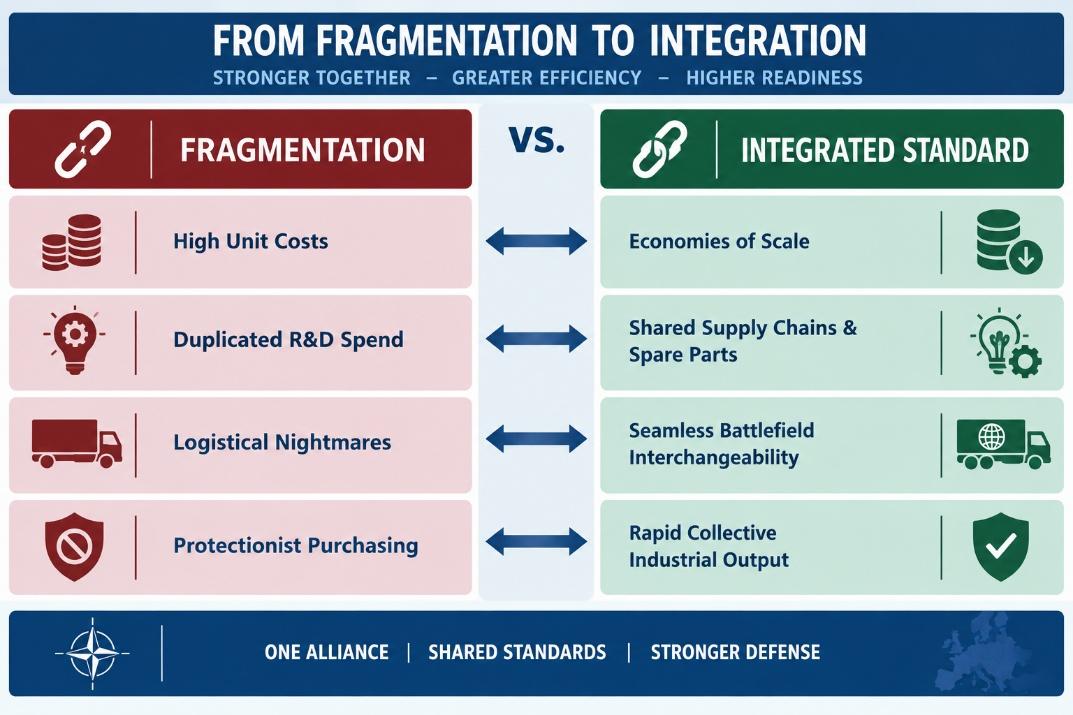
Figure 8: Fragmentation vs Integration of Europe
As shown in Figure 8, because the current European defense reality is defined by competing active platforms, distinct national warship classes, and divergent ammunition variants, there is clear evidence that transitioning toward unified European standards and industrial scaling is essential for operational effectiveness. In the current reality, if a coalition force suffers breakdowns or damage, a German unit cannot simply give spare engine parts or ammunition to a French or Italian unit if their platforms share no common engineering
Policy Initiatives:
- Enforce Ammunition and Digital Standardization: Move beyond basic physical interoperability toward complete component and supply interchangeability. European nations must standardize ammunition specifications (e.g., 155mm artillery rounds, air-launched precision munitions) and digital radio platforms to ensure forces can share logistics and communications in combat environments.
- Consolidate European Defense Procurement: Establish long-term joint procurement contracts across European states, reducing the unit cost of advanced platforms and incentivizing cross-border industrial integration.
Strategic Implications for the Transatlantic Alliance
A transition from European leadership dependency to European strategic responsibility profoundly impacts the broader transatlantic security architecture.
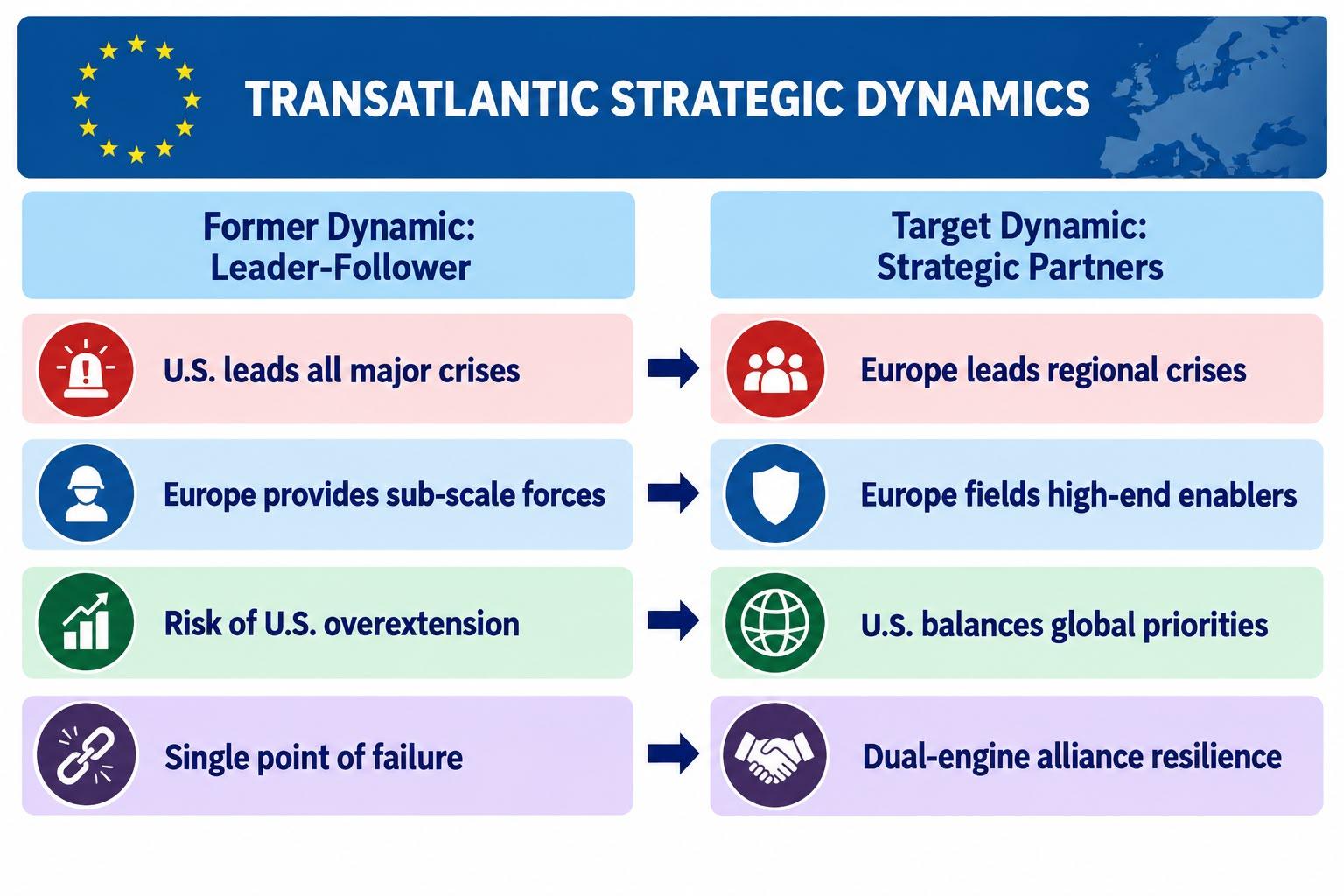
Figure 9: Transatlantic Strategic Dynamics
Figure 9 outlines the structural shift in transatlantic strategic dynamics from a traditional leader-follower model to a balanced strategic partnership:
- Crisis Leadership: Transitions from the U.S. leading all major crises to Europe taking the lead on regional threats.
- Capabilities & Enablers: Moves from Europe providing sub-scale supporting forces to fielding its own high-end strategic enablers.
- Global Strategic Balance: Alleviates the risk of U.S. overextension, enabling Washington to better balance its global priorities.
- Alliance Architecture: Replaces a single point of operational failure with a resilient, dual-engine alliance structure
5.1 Redefining the Transatlantic Division of Labor
Establishing a European pillar within NATO does not signal American withdrawal or alliance fragmentation. On the contrary, it provides a foundation for NATO’s long-term sustainability. As global geopolitical dynamics demand greater American strategic focus and military resources in the Indo-Pacific region, the United States can no longer serve as the primary military guarantor and operational initiator for every regional crisis in and around Europe. A Europe capable of leading its own regional defense provides the Alliance with strategic resilience, ensuring that European security remains robust even when American capabilities are committed elsewhere.
5.2 Mitigating Political and Operational Risks
Continuing under the legacy model of leadership dependency exposes the Alliance to significant risks:
- The Risk of Paralysis: If a European crisis emerges while U.S. political attention or military assets are fully engaged elsewhere, European allies risk being unable to formulate an effective response due to habits of hesitation and enabler deficits.
- The Risk of Transatlantic Friction: Persistent imbalances in leadership and capability generate domestic political friction within the United States regarding burden-sharing, while fostering feelings of marginalization or dependency within Europe.
Transitioning toward a two-pillar NATO where Europe assumes primary responsibility for continental defense while maintaining the U.S. as a critical strategic and nuclear partner, mitigates these risks. It transforms the relationship from a unbalanced leader-follower dynamic into an alliance of strategic partners with complementary responsibilities.
Shift in the Transatlantic Relationship
A pivot by Europe toward genuine “strategic autonomy” the capacity to act militarily, economically, and technologically independent of Washington would fundamentally reshape the transatlantic alliance. The dynamic between the United States and Europe is built on a trade-off: American security guarantees in exchange for European alignment on global governance, economic standards, and geopolitical strategy.
If Europe pursues true strategic autonomy, the relationship will likely shift across three key dimensions
- From “Leader-Follower” to “Competitive Transnationalism”: The U.S. historically relies on a “hegemonic discount”, a dynamic where European allies align with major foreign policy goals in exchange for the American security umbrella. A self-sufficient Europe would treat Washington as a peer rather than a default leader, selectively opting out of U.S. directives when strategic interests diverge.
- The Defense Industrial Rift: Major procurement of American platforms, like F-35 fighters, Patriot batteries, and HIMARS, locks European forces into decades of operational reliance on U.S. software, parts, and C2 networks. Diverting funds toward internal mechanisms like the European Defence Industry Programme (EDIP) starves the U.S. defense sector of key exports and weakens Washington’s operational leverage over European deployments.
- Decoupled Foreign Policy and Sanctions Power: European compliance currently gives global enforcement power to U.S. secondary sanctions and economic restrictions. An autonomous Europe possessing independent financial clearing systems and sovereign critical supply chains could opt out of unilateral U.S. economic warfare, significantly blunting Washington’s primary diplomatic weapon.
Ultimately, if Europe achieves genuine autonomy, the U.S. loses its ultimate leverage point: being indispensable to European survival. The U.S. could no longer assume European participation in its global economic and geopolitical strategies, transforming the post-WWII alliance from a U.S.-led “Oriento-ship” into a negotiated, multi-polar coalition.
Conclusion: The Imperative of Strategic Culture
The ultimate test of European defense over the coming decades will not be measured solely in the growth of defense budgets, the acquisition of modern weapons systems, or the formation of new headquarters. It will be measured by the development of European strategic leadership.
Capability without political will, operational enablers, and decisive decision-making mechanisms leaves an alliance structurally dependent. As long as European nations remain accustomed to waiting for American threat assessments, American initiatives, and American enablers before acting, European security will remain vulnerable to geopolitical shifts beyond its control.
Transitioning away from leadership dependency demands a fundamental shift in strategic culture across European capitals. It requires European leaders to embrace the risks and responsibilities of strategic initiative: identifying emerging threats independently, formulating clear strategic priorities, investing jointly in high-end operational enablers, and building institutional mechanisms that translate political consultation into rapid operational action.
By cultivating the political will, strategic vision, and institutional capacity to lead the defense of their continent, European Allies can build a more resilient, balanced, and sustainable transatlantic alliance one where Europe is no longer a strategic follower, but a capable, proactive partner in its own defense.
