

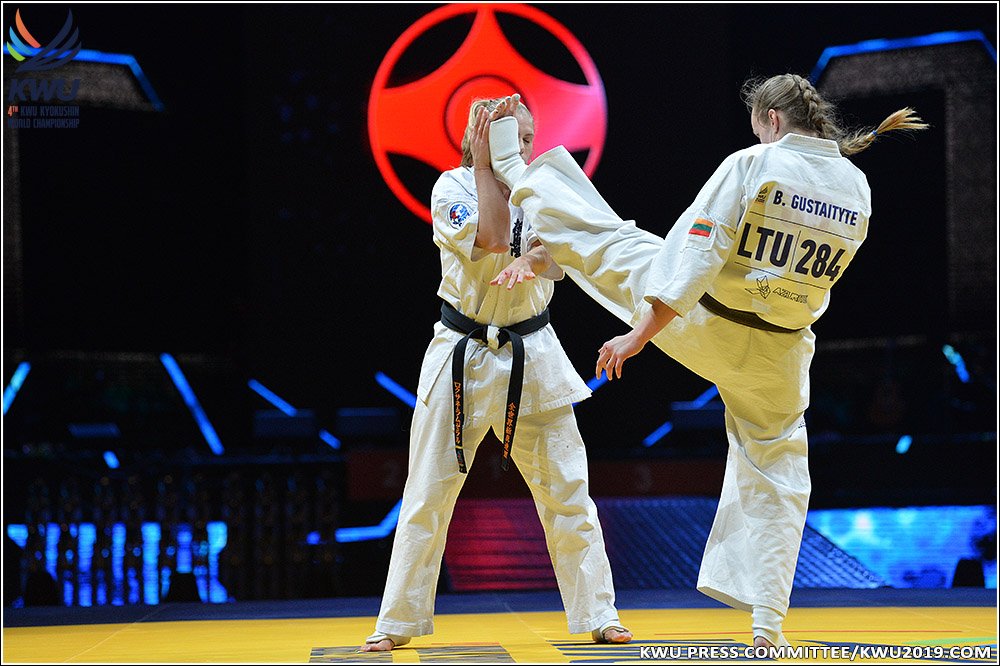
Kyokushin karate is one of the best-known full-contact karate styles in the world. Founded in 1964 by Masutatsu “Mas” Oyama, it combines demanding physical training with discipline, perseverance, and self-improvement. Its name is commonly translated as “the ultimate truth,” reflecting the pursuit of a deeper understanding of oneself through martial arts practice.
Today, Kyokushin is practised worldwide through numerous organizations and dojos. Although these organizations may differ in their structure and competition rules, they share a foundation built on strong technique, fighting spirit, and respect. To understand what makes Kyokushin special—and how it compares with other martial arts—it helps to look beyond its reputation for hard contact and examine how students actually train.
Training sessions are physically demanding, developing strength, endurance, flexibility, and coordination. However, beginners are not expected to arrive in peak condition: fitness develops gradually through regular practice. Students learn to stay composed under pressure, work through fatigue, and approach challenges with patience and determination.
Etiquette is equally important. Respect for instructors, training partners, and the dojo is an essential part of every session. Students are encouraged to train seriously while taking responsibility for each other’s safety and progress.
Kyokushin training consists of three main elements:
1. Kihon — Basic techniques
The foundation of training includes stances, punches, kicks, and blocks. Through repetition, students develop balance, correct body mechanics, power, and control.
2. Kata — Forms
Kata are set sequences of movements that help students refine technique, rhythm, breathing, and concentration. They also preserve traditional principles of movement and combat.
3. Kumite — Sparring
Kumite gives students the opportunity to apply their techniques against a resisting opponent. It develops timing, distance, reactions, and tactical awareness, with intensity adapted to the students’ experience and the purpose of the session.
