

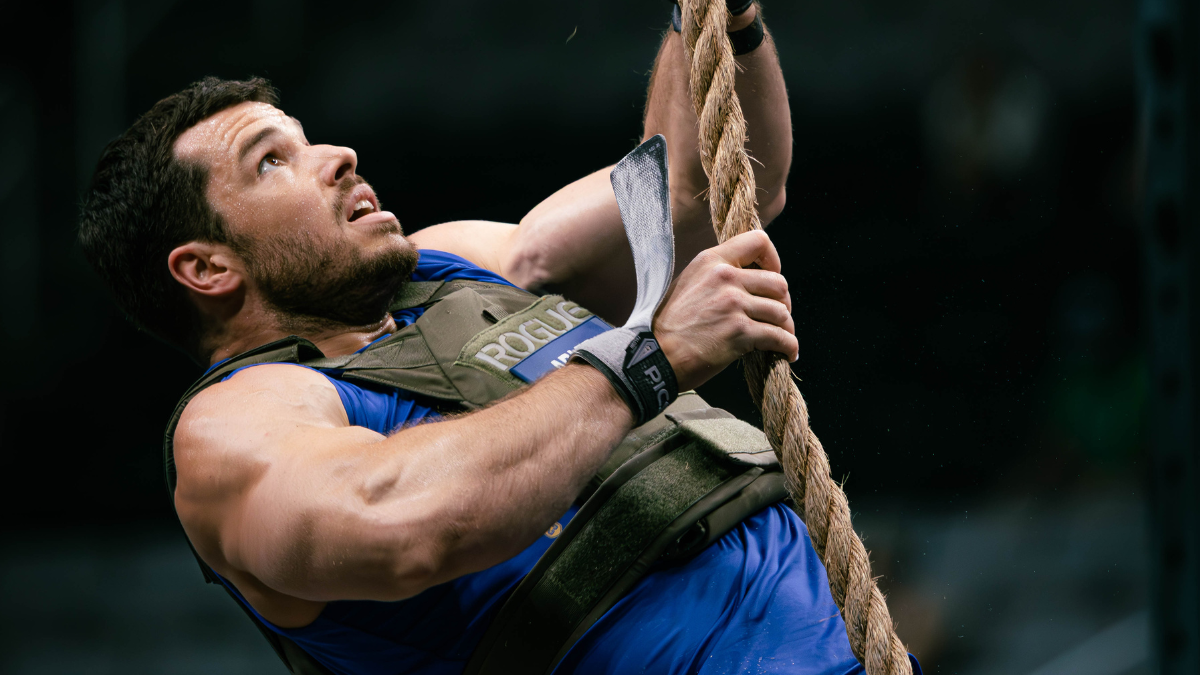
A well developed back does much more than improve your appearance. Strong back muscles help you stand taller, improve posture, support healthy shoulders, increase pulling strength, and reduce the risk of injuries during daily activities and training. If your goal is to build a lean, athletic physique, few muscle groups make a bigger visual impact than your back.
Many beginners make the mistake of chasing complicated exercises or lifting weights that are too heavy too soon. In reality, the best results usually come from mastering a handful of fundamental movements with proper technique and consistent progression.
Scientific research consistently shows that resistance training increases muscle mass, strength, and functional performance across people of all experience levels. Beginners often experience especially rapid improvements because their nervous system becomes more efficient while their muscles adapt to training.

The three exercises below are among the best choices for anyone starting their fitness journey. Together they train the major muscles of the back from multiple angles while being relatively easy to learn and progress.
Why Back Training Matters
Your back is made up of several large muscle groups that work together. The latissimus dorsi creates width and contributes to the coveted V shaped torso. The trapezius supports shoulder movement and posture. The rhomboids help retract the shoulder blades. The rear deltoids assist with shoulder stability, while the spinal erectors keep the spine strong and stable during movement.
Developing these muscles improves much more than aesthetics. Studies have shown that resistance training improves muscular strength, body composition, functional capacity, and overall health. Stronger back muscles also contribute to better posture, which many people associate with confidence and athleticism.
10 Signs You Are Healthier and Fitter than You Think
From an appearance standpoint, a wider upper back combined with a relatively lean waist creates one of the most noticeable visual improvements in the human physique. This illusion makes the shoulders appear broader while emphasizing a smaller waistline.
What Makes a Great Beginner Back Exercise?
Not every exercise is equally suitable for someone new to strength training. The best beginner movements should be easy to learn, train multiple muscles at once, allow gradual progression, and have a relatively low injury risk when performed correctly. They should also provide enough stimulus to build muscle without requiring advanced coordination. The following three exercises meet all of these criteria.
Exercise One: Lat Pulldown

Why It Works
The lat pulldown is one of the best exercises for developing the latissimus dorsi. It closely mimics the movement pattern of a pull up while being much easier to perform because the resistance can be adjusted.
Electromyography studies have shown that the lat pulldown effectively activates the latissimus dorsi while also recruiting the biceps, lower trapezius, rhomboids, and rear shoulder muscles.
For beginners who cannot yet perform bodyweight pull ups, this exercise builds the necessary strength while reinforcing proper movement mechanics.
How to Perform It
- Sit with your thighs secured beneath the pads and grasp the bar slightly wider than shoulder width.
- Sit tall with your chest lifted and your core engaged.
- Pull the bar toward your upper chest by driving your elbows down and slightly backward.
- Focus on bringing your elbows toward your ribs rather than pulling with your hands.
- Pause briefly before slowly returning the bar to the starting position with full control.
- Allow your shoulders to move naturally overhead without shrugging excessively.
Common Mistakes
Many beginners lean too far backward and turn the exercise into a row. Others pull the bar behind the neck, which unnecessarily increases shoulder stress without improving muscle activation.
Using momentum also reduces the work performed by the target muscles. A controlled repetition with a full range of motion consistently produces better training results.
Recommended Sets and Repetitions
Start with three sets of eight to twelve repetitions. Choose a weight that leaves one or two repetitions in reserve while maintaining excellent technique.
Exercise Two: Chest Supported Dumbbell Row
Why It Works
Horizontal rowing movements are essential for developing thickness across the upper and middle back. The chest supported dumbbell row removes much of the lower back demand, allowing beginners to focus entirely on pulling mechanics.
Research comparing rowing variations demonstrates strong activation of the middle trapezius, rhomboids, posterior deltoids, and latissimus dorsi. Because your chest remains supported throughout the movement, it becomes easier to avoid using momentum.
This exercise also helps balance the muscles that oppose pressing movements like the bench press. Maintaining this balance supports shoulder health and posture over the long term.
How to Perform It
- Set an adjustable bench to an incline of approximately thirty to forty five degrees.
- Lie face down with a dumbbell in each hand and allow your arms to hang naturally.
- Pull both elbows upward while squeezing your shoulder blades together.
- Keep your neck relaxed and avoid shrugging your shoulders toward your ears.
- Lower the dumbbells under control until your arms are fully extended before beginning the next repetition.
Common Mistakes
One common error is lifting the chest off the bench to create momentum. Another is pulling primarily with the arms instead of initiating the movement by drawing the shoulder blades together.
Using excessively heavy dumbbells often shortens the range of motion and reduces muscle activation.
Recommended Sets and Repetitions
Complete three sets of eight to twelve repetitions with controlled movement and consistent tempo.
Exercise Three: Face Pull
Why It Works
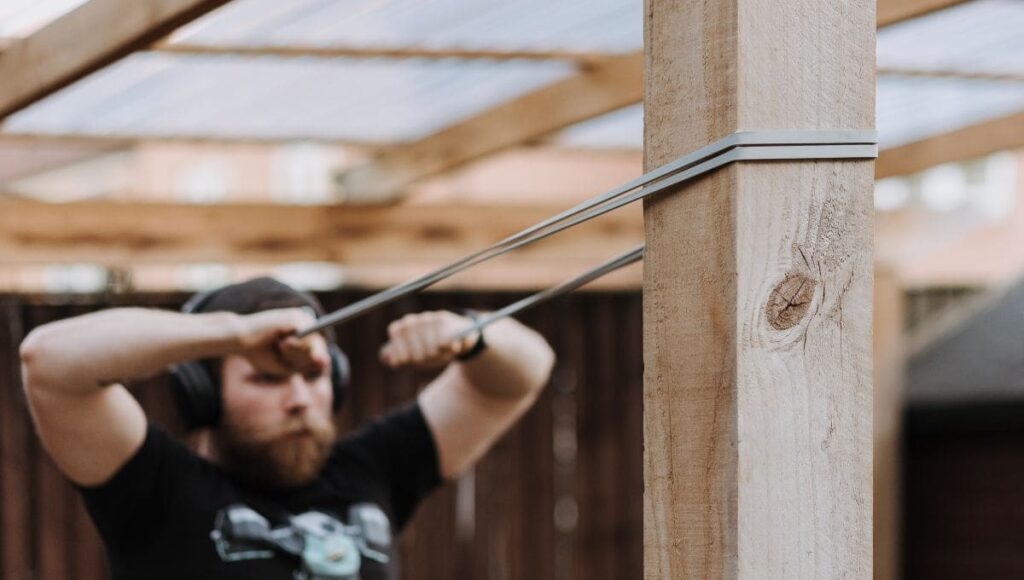
The face pull is often overlooked because it does not involve heavy weights. However, it is one of the best exercises for improving shoulder health, posture, and upper back development.
The movement strongly activates the rear deltoids, middle trapezius, lower trapezius, and external rotators of the shoulder. These muscles become especially important because many people spend long hours sitting and performing activities that encourage rounded shoulders.
Research has consistently shown that strengthening these muscles improves scapular stability and shoulder function while helping counteract muscular imbalances created by excessive pressing exercises. Although the face pull will not build massive muscle by itself, it complements larger pulling movements perfectly.
How to Perform It
- Attach a rope handle to a cable machine at approximately face height.
- Grab the rope with both hands using a neutral grip and step backward until the cable is under tension.
- Pull the rope toward your face while separating your hands at the end of the movement.
- Think about driving your elbows backward while squeezing your shoulder blades together.
- Pause briefly before returning slowly to the starting position.
Common Mistakes
Many people use too much weight and allow their elbows to drop. Others fail to separate the rope during the final portion of the movement, reducing rear shoulder involvement.
A lighter weight with perfect control almost always produces better results.
Recommended Sets and Repetitions
Perform two or three sets of twelve to fifteen repetitions using slow, controlled movement.
How Often Should Beginners Train Their Back?
Research suggests that training each muscle group at least twice per week generally produces greater muscle growth than training only once weekly when total training volume is similar.
For beginners, this does not require marathon workouts. Two or three weekly sessions that include these three exercises are sufficient for excellent progress.

An example session could include three sets of lat pulldowns, three sets of chest supported rows, and two or three sets of face pulls. This provides enough volume to stimulate growth while allowing adequate recovery.
As strength improves, gradually increase the weight or repetitions over time. Progressive overload remains one of the most important principles for building muscle.
Technique Always Comes Before Heavy Weights
One of the fastest ways to stall progress is sacrificing technique in pursuit of heavier loads. Research on resistance training consistently demonstrates that muscle growth can occur across a wide range of repetition schemes provided the sets are performed with sufficient effort and proper execution.
For beginners, learning excellent movement patterns creates a stronger foundation than lifting the heaviest possible weight. Better technique improves muscle activation, reduces unnecessary joint stress, and makes long term progression much easier. Filming your lifts occasionally or asking an experienced coach for feedback can dramatically improve exercise quality.
Building an Athletic Looking Back Takes Consistency
No single workout transforms your physique. Visible improvements result from months of consistent training, smart nutrition, and gradual progression.
Fortunately, beginners often experience the fastest rate of improvement. Within a few months of regular resistance training, most people notice increased upper body strength, improved posture, and greater muscle definition.
These three exercises provide everything needed to build that foundation. The lat pulldown develops width. The chest supported dumbbell row builds thickness. The face pull strengthens the smaller stabilizing muscles that keep the shoulders healthy and improve posture.
Master these movements, perform them consistently, and gradually increase the challenge over time. Combined with proper nutrition and recovery, they offer one of the simplest and most effective paths toward building a lean, athletic, and attractive back.
Key Takeaways
| Exercise | Primary Benefits | Recommended Volume |
|---|---|---|
| Lat Pulldown | Builds back width, strengthens the lats, prepares beginners for pull ups | 3 sets of 8 to 12 repetitions |
| Chest Supported Dumbbell Row | Builds upper and middle back thickness while minimizing lower back stress | 3 sets of 8 to 12 repetitions |
| Face Pull | Improves posture, strengthens rear shoulders and upper back, supports shoulder health | 2 to 3 sets of 12 to 15 repetitions |
| Weekly Frequency | Train the back two or three times per week | Around 8 to 12 total working sets weekly for beginners |
| Nutrition | Consume adequate protein and recover properly | 1.4 to 2.2 grams of protein per kilogram of body weight daily |
References
- American College of Sports Medicine. (2009). Position Stand: Progression Models in Resistance Training for Healthy Adults. Medicine & Science in Sports & Exercise, 41(3), pp. 687 to 708.
- Grgic, J., Schoenfeld, B.J., Orazem, J. and Sabol, F. (2022). Effects of Resistance Training Performed to Repetition Failure or Non Failure on Muscular Strength and Hypertrophy. Journal of Sport and Health Science, 11(2), pp. 202 to 211.
- Krieger, J.W. (2010). Single Versus Multiple Sets of Resistance Exercise for Muscle Hypertrophy. Journal of Strength and Conditioning Research, 24(4), pp. 1150 to 1159.
- Morton, R.W., Murphy, K.T., McKellar, S.R., Schoenfeld, B.J., Henselmans, M., Helms, E., Aragon, A.A., Devries, M.C., Banfield, L., Krieger, J.W. and Phillips, S.M. (2018). A Systematic Review, Meta Analysis and Meta Regression of Protein Supplementation on Resistance Training Induced Gains in Muscle Mass and Strength in Healthy Adults. British Journal of Sports Medicine, 52(6), pp. 376 to 384.
- Schoenfeld, B.J. (2010). The Mechanisms of Muscle Hypertrophy and Their Application to Resistance Training. Journal of Strength and Conditioning Research, 24(10), pp. 2857 to 2872.
- Schoenfeld, B.J., Ogborn, D. and Krieger, J.W. (2016). Effects of Resistance Training Frequency on Measures of Muscle Hypertrophy. Sports Medicine, 46(11), pp. 1689 to 1697.
