

“It would be the easiest thing to do, because they have a Supreme Court decision that tells them exactly what their regulation should say,” Andrew Tutt said.
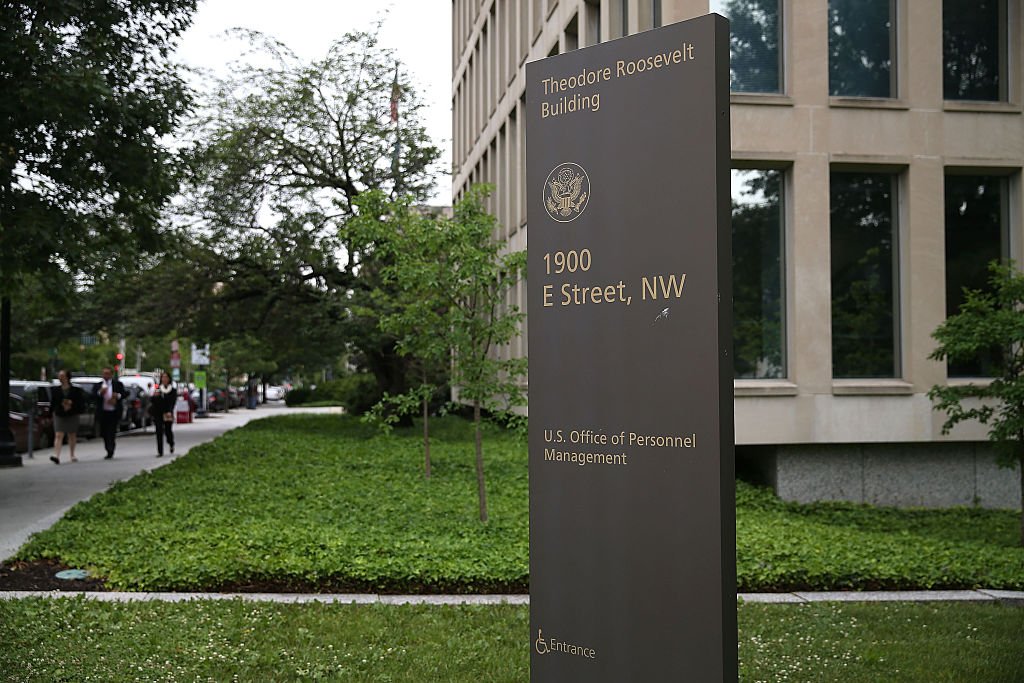
A new lawsuit is seeking to force the Office of Personnel Management to update its policy guidance to reflect a Supreme Court decision that clarified how federal employees who are also in the military reserve must be paid when called to active duty.
The lawsuit, filed Thursday by Marcus Colicelli, a major in the Army Reserve and an attorney at the Department of Veterans Affairs, argues that OPM has unreasonably delayed issuing regulations as required by law and asks the court to compel the agency to “perform the discrete, governmentwide rulemaking duty.”
Last year, the Supreme Court ruled that civilian employees called to active duty during a national emergency are entitled to differential pay, which covers the difference between their civilian and military salaries, regardless of whether their service is directly connected to a particular emergency.
The Supreme Court’s decision also required OPM to update its policy guidance. But 15 months later, the guidance remains the same and government agencies continue to deny reservists differential pay while they wait for OPM to update its regulations.
“What we have heard anecdotally is that multiple federal agencies employing reservists in civilian capacities are continuing to refuse differential pay that they undeniably owe to these reservists under [Feliciano v. Department of Transportation] because they say OPM has not spoken to this issue yet, even after the Supreme Court’s decision,” Andrew Tutt, co-chair of the Supreme Court and appellate practice at Trial Lawyers for Justice, told Federal News Network. “This is very extraordinary.”
“It would be the easiest thing in the world to do, because they have a Supreme Court decision that tells them exactly what their regulation should say, and it would be about a paragraph long, and so I can’t imagine any number of internal reviews or approvals. There’s nothing to hold this up. It is the law,” he added.
Congress created the differential pay statute in 2009 to protect civilian employees from taking a pay cut while on military leave during a declared national emergency. After Congress enacted that law, OPM issued policy guidance that significantly limited the types of active-duty service that qualified for differential pay.
Now that the Supreme Court rejected the government interpretation of the law, attorneys say the administration has to go back and compensate reservists who were owed differential pay dating back to 2009.
Colicelli, however, is not seeking his differential pay because it is about his activations in the future, not about the past, Tutt said. Years before the Feliciano case, Colacelli successfully challenged the denial of his differential pay before the Merit Systems Protection Board.
“The issue in this lawsuit is every time someone is called to active military duty right now, their agency is not by default paying them their differential pay. This case is now him saying, ‘I want everyone to get their differential pay, and I don’t want them to have to do what I did and sue to get,’” Tutt said. “If we’re successful in this lawsuit, agencies will no longer be able to withhold the pay that they owe by default.”
The attorneys said the ideal outcome would be for OPM to update its regulations within the next few weeks, which would effectively resolve the lawsuit.
“All they need to say is turn the faucet on because the Supreme Court just ordered us all to turn the faucet on, and there’s no justification for that to take 15 days, let alone 15 months,” Stanton Jones, co-chair of the Supreme Court and appellate practice at Trial Lawyers for Justice, told Federal News Network.
Colicelli’s attorneys also said they are preparing to bring a separate class action before the MSPB seeking back pay for reservists dating back to 2009.
Reservists, National Guard members, and other federal employees who did not receive differential pay can find more information at reservistpay.com.
OPM did not immediately respond to a request for comment.
If you would like to contact this reporter about recent changes in the federal government, please email anastasia.obis@federalnewsnetwork.com or reach out on Signal at (301) 830-2747.
Copyright
© 2026 Federal News Network. All rights reserved. This website is not intended for users located within the European Economic Area.
