

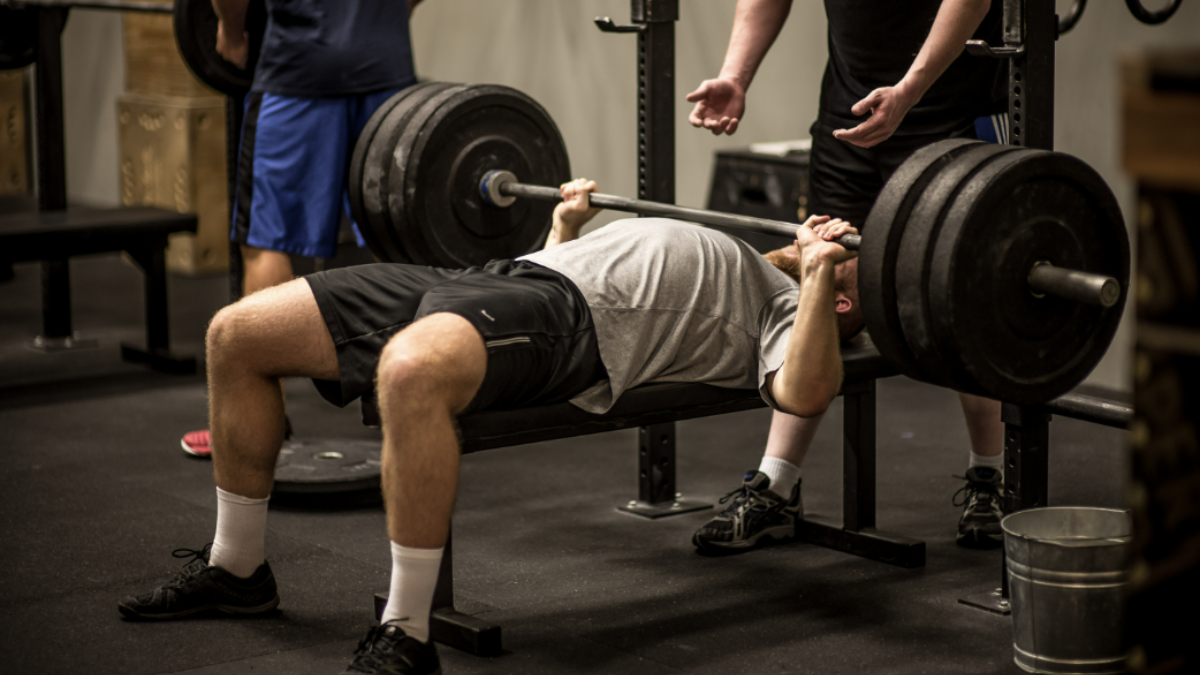
The bench press is one of the most recognized strength exercises in the world. Whether you train for muscle, sports performance, or general fitness, people often want to know one thing: how much should you be able to bench press for your age?
The answer is not as simple as looking at your birth certificate. Age certainly influences strength, but so do body weight, training experience, sex, muscle mass, and lifestyle. A healthy 55 year old who has lifted weights consistently for decades will almost always outperform an inactive 25 year old.
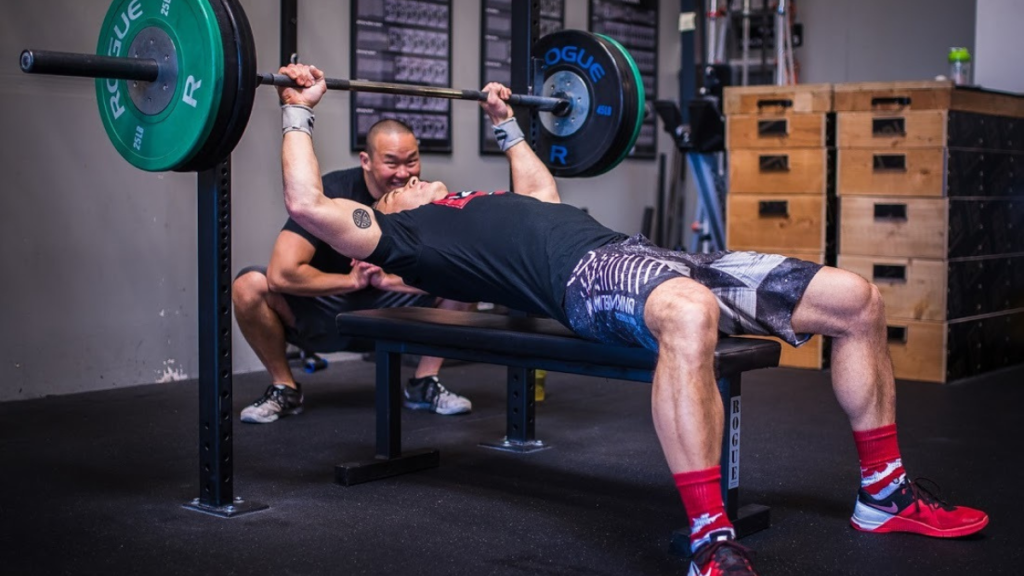
Still, there are clear trends that science has identified. Muscle strength increases through adolescence, reaches its peak during early adulthood, remains relatively stable for several decades with proper training, and then gradually declines as we age. Fortunately, resistance training can dramatically slow this decline and help people maintain impressive levels of strength well into later life.
This guide explains what science says about age related strength changes, what you should realistically expect from your bench press at different stages of life, and how to keep improving regardless of your age.
Estimated Bench Press Standards by Age (Men)
These are realistic one repetition maximum (1RM) benchmarks for recreational lifters of average body weight who train consistently. Individual results will vary based on body weight, training experience, and genetics.
| Age | Beginner | Intermediate | Advanced |
|---|---|---|---|
| 15 to 19 | 75 to 135 lb | 135 to 185 lb | 185 to 245 lb |
| 20 to 29 | 95 to 155 lb | 185 to 225 lb | 275 to 335 lb |
| 30 to 39 | 95 to 155 lb | 185 to 225 lb | 265 to 325 lb |
| 40 to 49 | 90 to 145 lb | 175 to 215 lb | 255 to 315 lb |
| 50 to 59 | 85 to 135 lb | 165 to 205 lb | 235 to 295 lb |
| 60 to 69 | 75 to 125 lb | 145 to 185 lb | 205 to 265 lb |
| 70+ | 65 to 105 lb | 125 to 165 lb | 175 to 235 lb |
Estimated Bench Press Standards by Age (Women)
These are estimated one repetition maximum (1RM) values for recreational female lifters.
| Age | Beginner | Intermediate | Advanced |
|---|---|---|---|
| 15 to 19 | 35 to 65 lb | 65 to 95 lb | 95 to 135 lb |
| 20 to 29 | 45 to 75 lb | 85 to 125 lb | 135 to 185 lb |
| 30 to 39 | 45 to 75 lb | 85 to 120 lb | 130 to 180 lb |
| 40 to 49 | 40 to 70 lb | 80 to 115 lb | 125 to 170 lb |
| 50 to 59 | 35 to 65 lb | 70 to 105 lb | 110 to 155 lb |
| 60 to 69 | 30 to 55 lb | 60 to 95 lb | 95 to 140 lb |
| 70+ | 25 to 45 lb | 50 to 80 lb | 80 to 120 lb |
These ranges are based on trends reported in resistance training research, age related strength studies, and population strength databases. They should be viewed as practical benchmarks rather than strict standards because body weight and training experience have a greater influence on bench press performance than age alone.
What Determines Your Bench Press Strength?
Many people assume age is the biggest factor affecting strength, but research consistently shows that several variables work together. Muscle cross sectional area is one of the strongest predictors of force production. Larger muscles generally produce more force, although muscle quality also matters.
Neural efficiency is equally important. The nervous system becomes better at recruiting muscle fibers as people gain lifting experience. This explains why beginners often become much stronger during their first months of training without adding significant muscle mass. Body weight also plays a major role. Heavier individuals usually have more lean tissue and therefore greater absolute strength. This is why powerlifting competitions divide athletes into weight classes.
Are Kroc Rows the Perfect Back Exercise for Huge Muscle and Strength Gains?
Hormones contribute as well. Testosterone, growth hormone, and insulin like growth factor help support muscle growth and recovery. Their natural decline with aging partly explains why maintaining strength becomes more challenging later in life.
Finally, consistency matters more than almost anything else. Research repeatedly demonstrates that long term resistance training allows adults to maintain much higher levels of strength compared to sedentary individuals of the same age.
Why Strength Changes With Age
Human strength follows a predictable pattern throughout life. During childhood and adolescence, muscle mass and coordination improve rapidly. Strength increases accelerate during puberty because of hormonal changes and increased muscle development.
Most adults reach their highest absolute strength somewhere between their late twenties and late thirties. The exact age varies depending on the individual, training history, and sport. After around age 40, muscle mass gradually begins to decline through a process known as sarcopenia. Muscle fiber size decreases, fast twitch fibers become less abundant, and the nervous system becomes less efficient at producing maximum force.
The good news is that this decline is far from inevitable. Numerous studies show that resistance training significantly slows muscle loss, preserves bone density, and maintains functional strength even into the eighth and ninth decades of life. Masters powerlifters provide excellent real world evidence. Many athletes in their fifties, sixties, and seventies continue lifting weights that far exceed those managed by younger recreational lifters.
Bench Press Standards by Age
The following benchmarks assume healthy adults with consistent resistance training. These values represent realistic goals for recreational lifters rather than elite powerlifters.
Teenagers
During the teenage years, proper technique should take priority over maximum weight. Most teenagers experience rapid strength gains because of growth, improved coordination, and increasing hormone levels. Beginners often improve quickly simply by learning efficient movement patterns.
A teenage boy with one to two years of structured training may reasonably work toward bench pressing close to his body weight. Girls who train consistently also make impressive strength gains, although average absolute loads are generally lower because of differences in muscle mass. Building solid movement mechanics during adolescence lays the foundation for decades of safe and productive lifting.
Ages 20 to 29
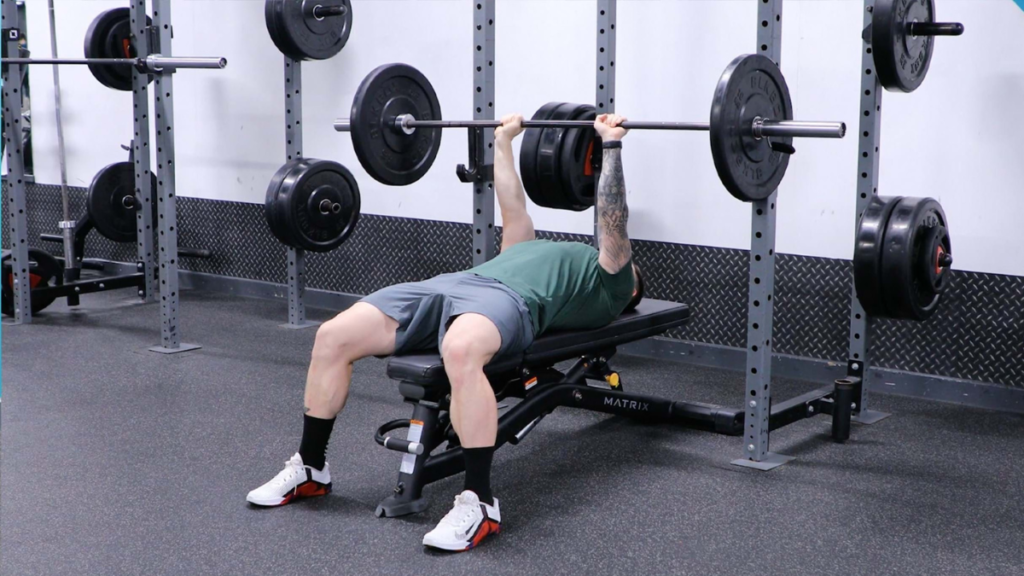
For most adults, this decade represents the beginning of peak strength potential. Recovery is generally fast, hormone levels are favorable, and muscle protein synthesis remains highly responsive to training. Many recreational male lifters can expect to bench press approximately their body weight after consistent training. More experienced lifters often achieve one and a half times body weight or more.
Recreational female lifters commonly progress toward lifting around 60 to 80 percent of body weight after dedicated training, with advanced athletes often exceeding body weight. The emphasis during this decade should be developing long term training habits rather than chasing impressive numbers too quickly.
Ages 30 to 39
Contrary to popular belief, strength does not suddenly decline after turning 30. Many experienced lifters actually achieve their strongest bench press during this decade because years of technical practice combine with mature muscle development.
Recovery may require slightly more attention than during the twenties, but progressive overload remains highly effective. Lifters who continue prioritizing sleep, nutrition, and structured programming often set personal records throughout their thirties.
Ages 40 to 49
Subtle physiological changes begin appearing during the forties. Recovery between hard sessions may take longer, connective tissue requires more care, and maintaining muscle mass becomes increasingly important.
However, research consistently demonstrates that adults who continue resistance training preserve significantly more muscle strength than inactive peers. Many experienced lifters continue bench pressing numbers similar to those achieved during their thirties with only modest programming adjustments.
Ages 50 to 59
This decade often marks the point where consistency becomes even more important than intensity. Losses in muscle mass accelerate without regular training, but strength remains remarkably responsive to resistance exercise.
Many recreational lifters continue bench pressing their body weight or more after years of consistent training. Recovery strategies such as adequate protein intake, sufficient sleep, and intelligent exercise selection become increasingly valuable.
Ages 60 and Older
Strength naturally declines with advancing age, but the degree of decline depends heavily on physical activity. Older adults who perform regular resistance training maintain substantially higher muscle mass, strength, balance, and independence than sedentary individuals.
Bench pressing may shift from maximizing numbers toward preserving functional upper body strength, maintaining bone density, and supporting healthy aging.
Even adults beginning resistance training in their sixties, seventies, and eighties experience meaningful improvements in muscle size and strength.
How Strong Is Strong?
Many people compare themselves to advanced lifters on social media without realizing those athletes represent the extreme upper end of performance.
A more practical way to judge your bench press is relative to your body weight.

For most recreational men, bench pressing your body weight represents a solid milestone demonstrating good upper body strength. Reaching one and a half times body weight typically reflects advanced recreational strength. Double body weight is exceptional and usually requires years of focused training.
For recreational women, bench pressing approximately three quarters of body weight reflects solid strength. Reaching body weight is an outstanding accomplishment achieved by relatively few recreational lifters.
These benchmarks should never replace personal progress. Improving your own strength over time matters much more than comparing yourself with others.
Why Training Age Matters More Than Biological Age
Exercise scientists often distinguish between biological age and training age.
- Biological age refers to how old you are.
- Training age refers to how many years you have consistently followed structured resistance training.
Someone who begins lifting seriously at age 45 may still make rapid improvements for several years because their muscles remain highly adaptable to new training.
Meanwhile, an experienced 25 year old lifter with six years of structured programming may progress more slowly because they are already approaching their genetic potential.
Research consistently shows that training experience strongly influences strength performance independent of chronological age.
How to Keep Improving Your Bench Press at Any Age
Progressive overload remains the cornerstone of strength development throughout life.
Gradually increasing resistance, repetitions, or training volume encourages continued adaptation without overwhelming recovery.
Technique deserves equal attention. Small improvements in bar path, shoulder positioning, grip width, and leg drive often produce meaningful strength gains while reducing injury risk.
Protein intake becomes increasingly important with age because older muscles show reduced sensitivity to dietary protein. Research suggests that physically active adults benefit from consuming sufficient high quality protein distributed throughout the day.
Recovery also deserves more respect than many lifters give it. Muscle adaptation occurs between workouts rather than during them. Sleep quality, overall calorie intake, and stress management all influence strength development.
Finally, accessory exercises strengthen muscles that contribute to the bench press. Strong triceps, shoulders, upper back, and rotator cuff muscles improve pressing performance while helping maintain healthy shoulders.
Common Mistakes People Make When Comparing Bench Press Numbers
One of the biggest mistakes is ignoring body weight. A 140 pound athlete bench pressing 185 pounds demonstrates greater relative strength than a 260 pound athlete bench pressing 225 pounds. Another mistake is comparing trained lifters with beginners. Years of structured resistance training dramatically influence performance.
Many people also overlook technique differences. Competition style bench pressing uses strict standards including controlled pauses, while gym repetitions often vary considerably. Finally, people frequently assume age alone determines strength. Scientific evidence clearly shows that physical activity levels explain much of the variation between older adults.
Should Older Adults Still Bench Press?
For most healthy adults, the answer is yes. The bench press strengthens the chest, shoulders, and triceps while helping preserve muscle mass and bone density. Older adults may benefit from moderate loads performed with excellent technique rather than maximal single repetition attempts. Machines and dumbbells also provide effective alternatives for those with shoulder limitations.
Anyone with existing joint pain or medical conditions should consult a qualified healthcare professional before beginning a resistance training program, but current evidence strongly supports resistance exercise as one of the most effective tools for healthy aging.
The Bottom Line
There is no universal bench press target based solely on age. Your body weight, training history, muscle mass, nutrition, recovery, and consistency all influence how much you can lift.
Most people reach their highest strength between their late twenties and late thirties, but regular resistance training allows impressive levels of strength to be maintained for decades afterward. The decline traditionally associated with aging is far smaller among people who continue lifting weights throughout life.
Rather than comparing yourself with someone younger or older, focus on steady progress, excellent technique, and long term consistency. If your bench press is improving year after year while you remain healthy and injury free, you are already succeeding regardless of the number on the bar.
Key Takeaways
| Topic | Key Point |
|---|---|
| Peak strength | Most adults reach peak strength between their late twenties and late thirties, although individual variation is substantial. |
| Age effect | Strength gradually declines with age, but resistance training dramatically slows this process. |
| Better comparison | Bench press relative to body weight provides a more meaningful comparison than absolute weight alone. |
| Training experience | Years of consistent lifting often predict strength better than chronological age. |
| Older adults | Resistance training remains highly effective for preserving muscle, bone health, and functional strength after age 60. |
| Long term success | Progressive overload, good technique, adequate protein, and recovery remain essential at every age. |
References
- American College of Sports Medicine. (2009). Position Stand. Progression models in resistance training for healthy adults. Medicine & Science in Sports & Exercise, 41(3), 687 to 708.
- Frontera, W.R., Meredith, C.N., O’Reilly, K.P., Knuttgen, H.G. and Evans, W.J. (1988). Strength conditioning in older men. Skeletal muscle hypertrophy and improved function. Journal of Applied Physiology, 64(3), 1038 to 1044.
- Goodpaster, B.H., Park, S.W., Harris, T.B., Kritchevsky, S.B., Nevitt, M., Schwartz, A.V., Simonsick, E.M., Tylavsky, F.A., Visser, M. and Newman, A.B. (2006). The loss of skeletal muscle strength, mass, and quality in older adults. The Journals of Gerontology Series A: Biological Sciences and Medical Sciences, 61(10), 1059 to 1064.
- Grgic, J., Lazinica, B., Schoenfeld, B.J. and Pedisic, Z. (2020). Test retest reliability of the one repetition maximum bench press assessment. Sports Medicine Open, 6(1), 31.
- Hughes, V.A., Frontera, W.R., Wood, M., Evans, W.J., Dallal, G.E., Roubenoff, R. and Fiatarone Singh, M.A. (2001). Longitudinal muscle strength changes in older adults. Journal of Gerontology Series A: Biological Sciences and Medical Sciences, 56(5), B209 to B217.
- Lexell, J. (1995). Human aging, muscle mass, and fiber type composition. The Journals of Gerontology Series A: Biological Sciences and Medical Sciences, 50A, 11 to 16.
