

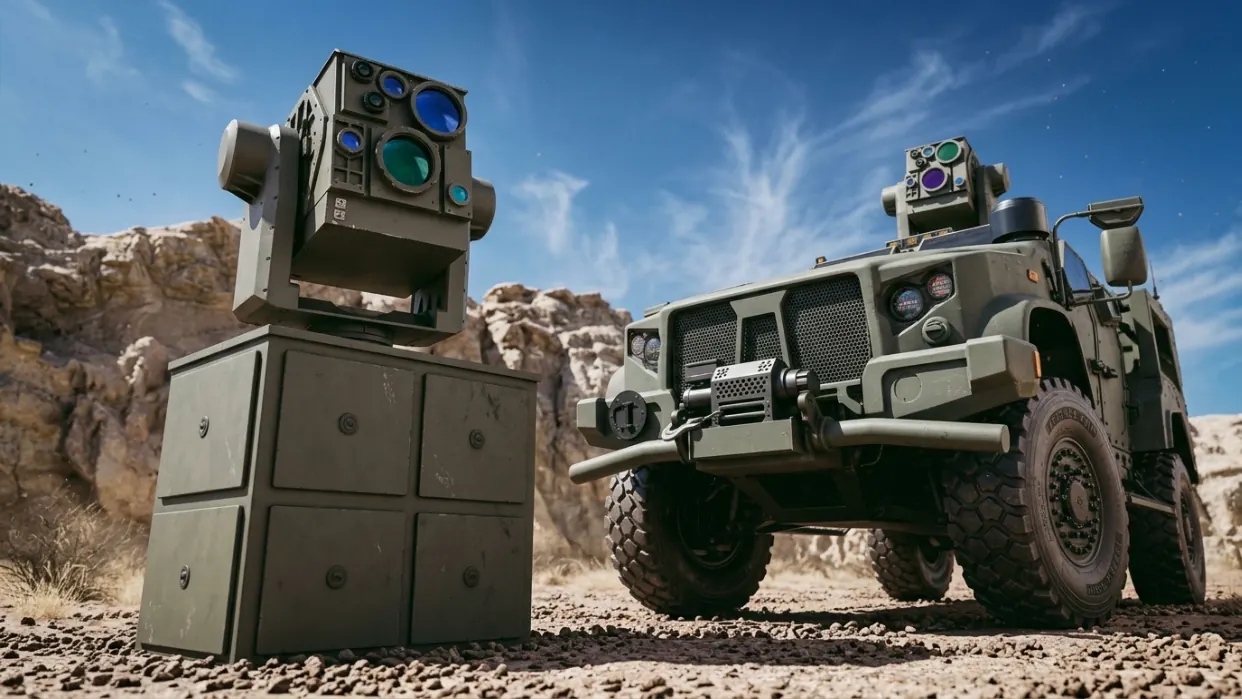
Defense Feeds, Washington – The AeroVironment counter-drone defense systems program has secured a major boost after the U.S. Army awarded AeroVironment a contract worth up to $500 million to deliver layered counter-unmanned aerial systems (C-UAS) capabilities.
The agreement is intended to strengthen the Army’s ability to detect, identify and defeat increasingly sophisticated drone threats while improving force protection across a wide range of operational environments.
The contract reflects the growing importance of counter-drone technology as unmanned aerial systems become one of the most persistent threats on modern battlefields. Military planners are increasingly investing in integrated defensive networks capable of addressing everything from small commercial drones to more advanced unmanned aircraft used for reconnaissance, surveillance and precision attacks.
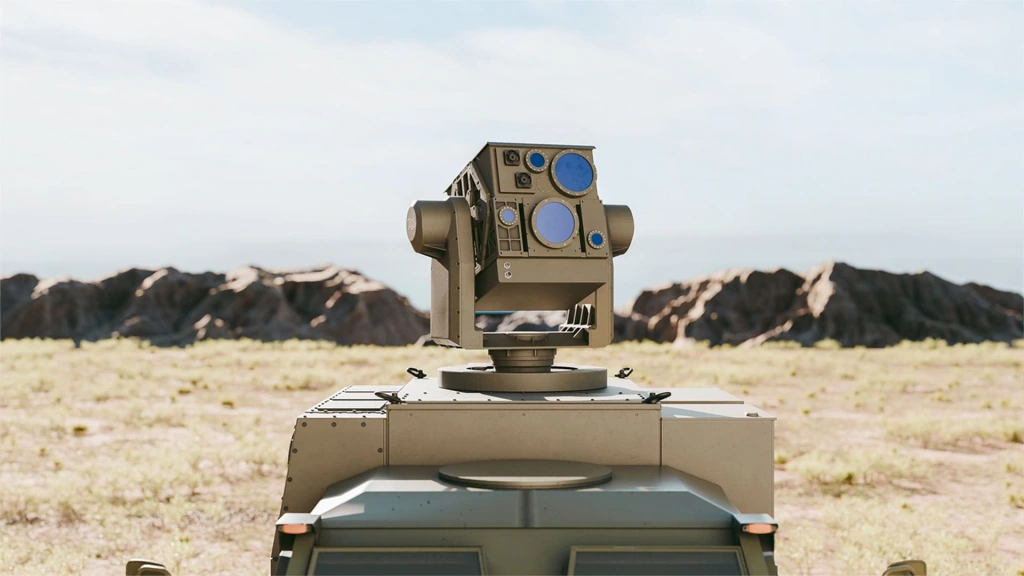
AeroVironment Counter-Drone Defense Systems Expand Layered Protection
The AeroVironment counter-drone defense systems contract supports the Army’s strategy of building a layered defensive architecture capable of responding to diverse aerial threats. Rather than relying on a single interception method, layered counter-UAS systems combine multiple sensors, electronic warfare tools and kinetic interceptors to improve effectiveness against drones operating at different ranges and altitudes.
This approach enables military units to identify threats earlier and employ the most appropriate response based on operational conditions. Electronic warfare systems can disrupt drone communications or navigation, while kinetic options provide a final layer of protection against aircraft that continue approaching defended positions.
The agreement also provides flexibility for future capability growth as drone technology continues evolving. Modular system architectures allow new sensors and defeat mechanisms to be integrated without replacing the entire defensive network.
The Army’s investment highlights the urgent demand for scalable counter-drone solutions capable of protecting maneuver forces, command posts, logistics hubs and critical infrastructure.
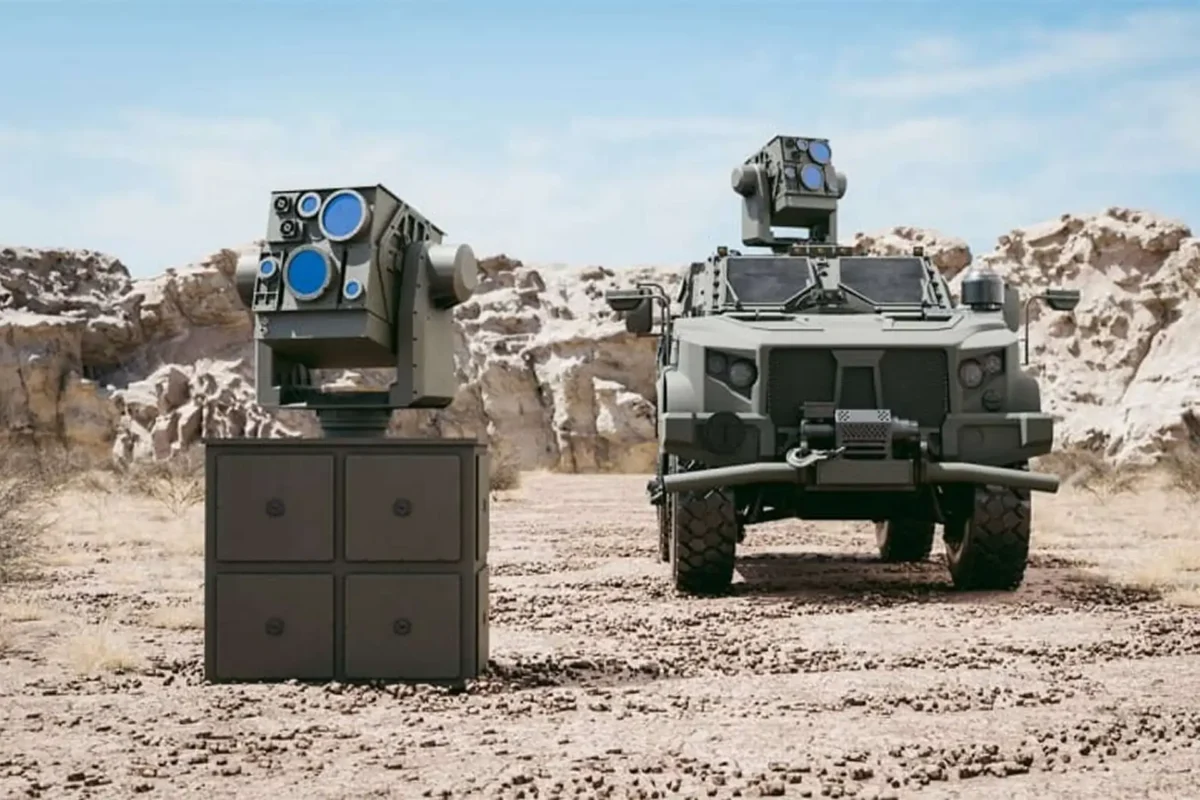
Advanced Counter-UAS Technology Supports Battlefield Survivability
A key objective of the AeroVironment counter-drone defense systems program is improving survivability against rapidly evolving unmanned threats. Small drones have become increasingly capable, affordable and widely available, enabling both state and non-state actors to conduct surveillance, targeting and attack missions with relatively low cost.
Layered counter-UAS systems help address these challenges by combining radar, electro-optical sensors, radio-frequency detection and electronic attack technologies into a unified defensive network. Integrated command-and-control software enables operators to rapidly assess threats and coordinate responses across multiple defensive assets.
The systems are designed to support both fixed-site protection and mobile military operations, allowing forces to maintain air defense coverage while maneuvering across dynamic battlefield environments.
As drone technology advances, military organizations are placing greater emphasis on adaptable systems capable of countering multiple classes of unmanned aircraft rather than focusing on a single threat category.
Strategic Importance for U.S. Army Modernization
The AeroVironment counter-drone defense systems contract underscores the Army’s continued effort to adapt to an operational environment increasingly shaped by unmanned systems. Recent conflicts have demonstrated that drones can influence every level of warfare, from tactical reconnaissance to long-range precision strikes, making effective counter-UAS capabilities an essential component of force protection.
The award also supports broader modernization initiatives aimed at integrating advanced sensors, artificial intelligence and networked air defense technologies into future Army formations. Layered defensive architectures improve operational resilience while providing commanders with greater flexibility when responding to rapidly changing threats.
Beyond strengthening Army capabilities, the contract reinforces the role of the U.S. defense industrial base in accelerating counter-drone innovation. Long-term procurement agreements enable companies to expand production capacity, invest in new technologies and refine systems based on evolving operational requirements.
As militaries around the world continue expanding investments in unmanned systems, demand for effective counter-UAS solutions is expected to grow in parallel. The AeroVironment counter-drone defense systems program positions the U.S. Army to address that challenge by fielding scalable, layered defenses capable of protecting personnel and critical assets against the increasingly complex drone threats expected on future battlefields.
