

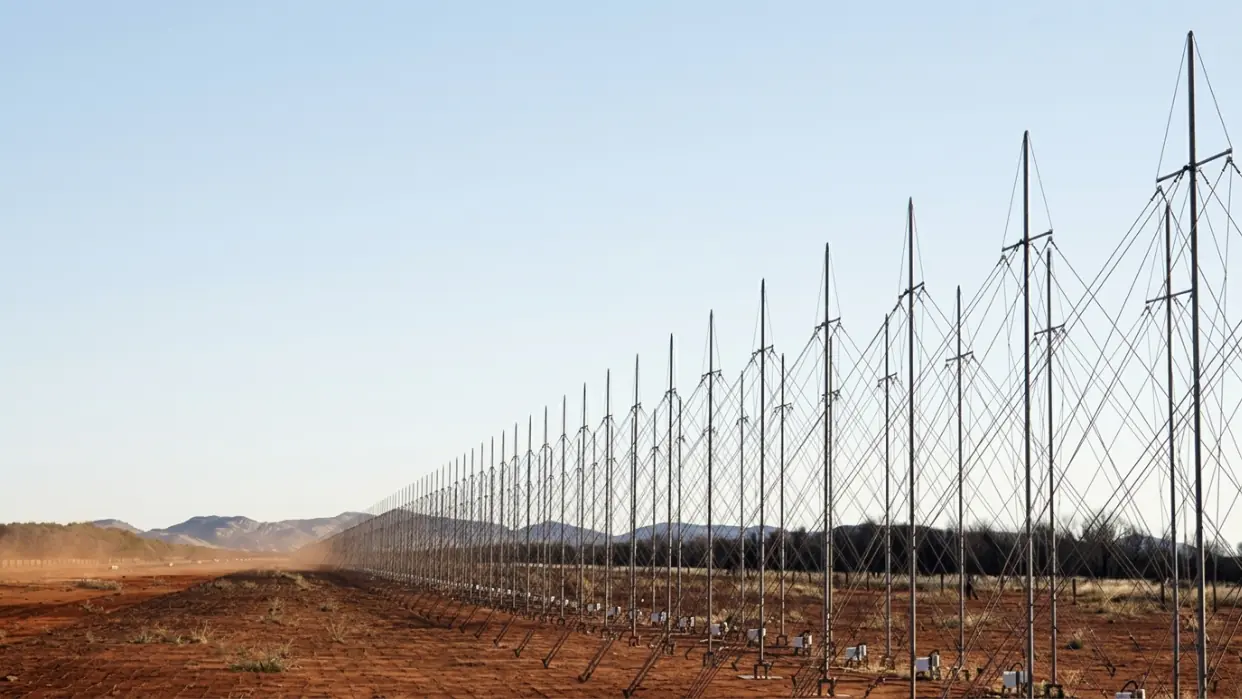
Defense Feeds, Ottawa . The Canada over-the-horizon radar program has taken a major step forward with Ottawa’s decision to acquire advanced Australian radar technology to strengthen Arctic surveillance and support the modernization of the North American Aerospace Defense Command (NORAD).
The acquisition reflects growing concerns about security challenges in the Arctic and the need for earlier detection of airborne and maritime threats approaching North America.
As geopolitical competition expands into the polar region, Canada and its allies are investing heavily in advanced sensing systems capable of monitoring vast areas that are difficult to cover using conventional radar networks.
Canada Expands Arctic Monitoring Capabilities
The new Canada over-the-horizon radar system is expected to significantly improve the country’s ability to detect and track aircraft, missiles and maritime activity across remote northern regions. Traditional radar systems are generally limited by the Earth’s curvature, restricting their detection range.
Over-the-horizon radar technology overcomes that limitation by using high-frequency radio waves that can bounce off the ionosphere and monitor targets thousands of kilometers away.
This capability is particularly important for Canada, which is responsible for monitoring one of the world’s largest and most challenging geographic areas. Vast Arctic territories, sparse infrastructure and increasingly accessible northern waterways have elevated the importance of long-range surveillance capabilities.
The acquisition forms part of a broader effort to modernize continental defense infrastructure alongside the United States through NORAD. Existing warning systems were largely designed for Cold War-era threats, while today’s security environment increasingly includes advanced cruise missiles, long-range drones and emerging hypersonic technologies.
By expanding detection coverage, Canadian defense planners aim to improve response times and enhance overall situational awareness across the northern approaches to North America.
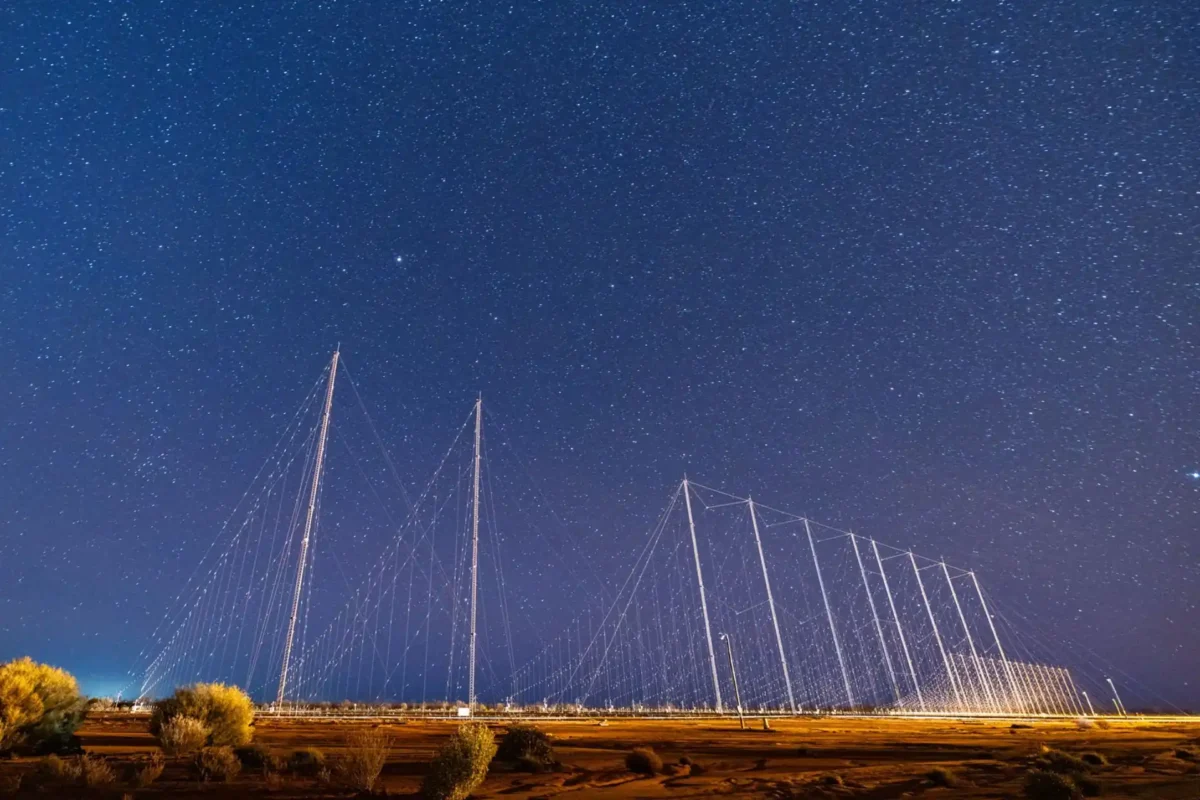
Australian Technology Brings Long-Range Detection Advantage
The radar solution selected by Canada is based on technology developed in Australia, where over-the-horizon radar systems have been used for decades to monitor vast maritime and air approaches. The technology has proven particularly valuable in areas where conventional radar coverage is limited by distance and geography.
Unlike traditional ground-based radar systems, over-the-horizon sensors can observe activity at much greater ranges, creating an additional layer of early warning capability. This extended reach allows military operators to detect potential threats earlier and provide commanders with more time to assess and respond to evolving situations.
The system is expected to contribute to monitoring both airborne and maritime activity, supporting a range of missions including sovereignty protection, air defense and maritime domain awareness.
The growing importance of long-range sensing technologies reflects changing military requirements. Potential adversaries increasingly possess weapons capable of operating at extended distances, making early detection a critical element of effective defense planning.
For Canada, the radar acquisition also strengthens cooperation with trusted defense partners while introducing proven technology into its modernization efforts.
Strategic Importance for NORAD and Arctic Security
The Canada over-the-horizon radar initiative represents one of the most significant investments in North American early warning infrastructure in recent years. NORAD modernization has become a strategic priority as military planners adapt to evolving threats that can approach North America from multiple directions.
The Arctic is emerging as a region of increasing strategic importance due to climate change, expanding maritime activity and growing military interest from major powers. As access to northern routes becomes easier, governments are placing greater emphasis on maintaining awareness and protecting sovereignty.
Enhanced surveillance capabilities will help Canada and the United States better monitor activity across the region while supporting broader defense objectives. Early warning remains one of the most important elements of deterrence, providing decision-makers with the information needed to respond effectively to potential threats.
The acquisition also reflects a wider trend among allied nations toward investing in advanced sensing and monitoring technologies rather than relying solely on traditional military platforms. Modern defense increasingly depends on the ability to collect, process and act upon information faster than potential adversaries.
As NORAD modernization efforts continue, the introduction of advanced over-the-horizon radar capabilities is expected to play a central role in strengthening North America’s defensive posture. By improving Arctic surveillance and extending early warning coverage, the system will help ensure that Canada and its allies remain prepared for the evolving security challenges of the coming decades.
