

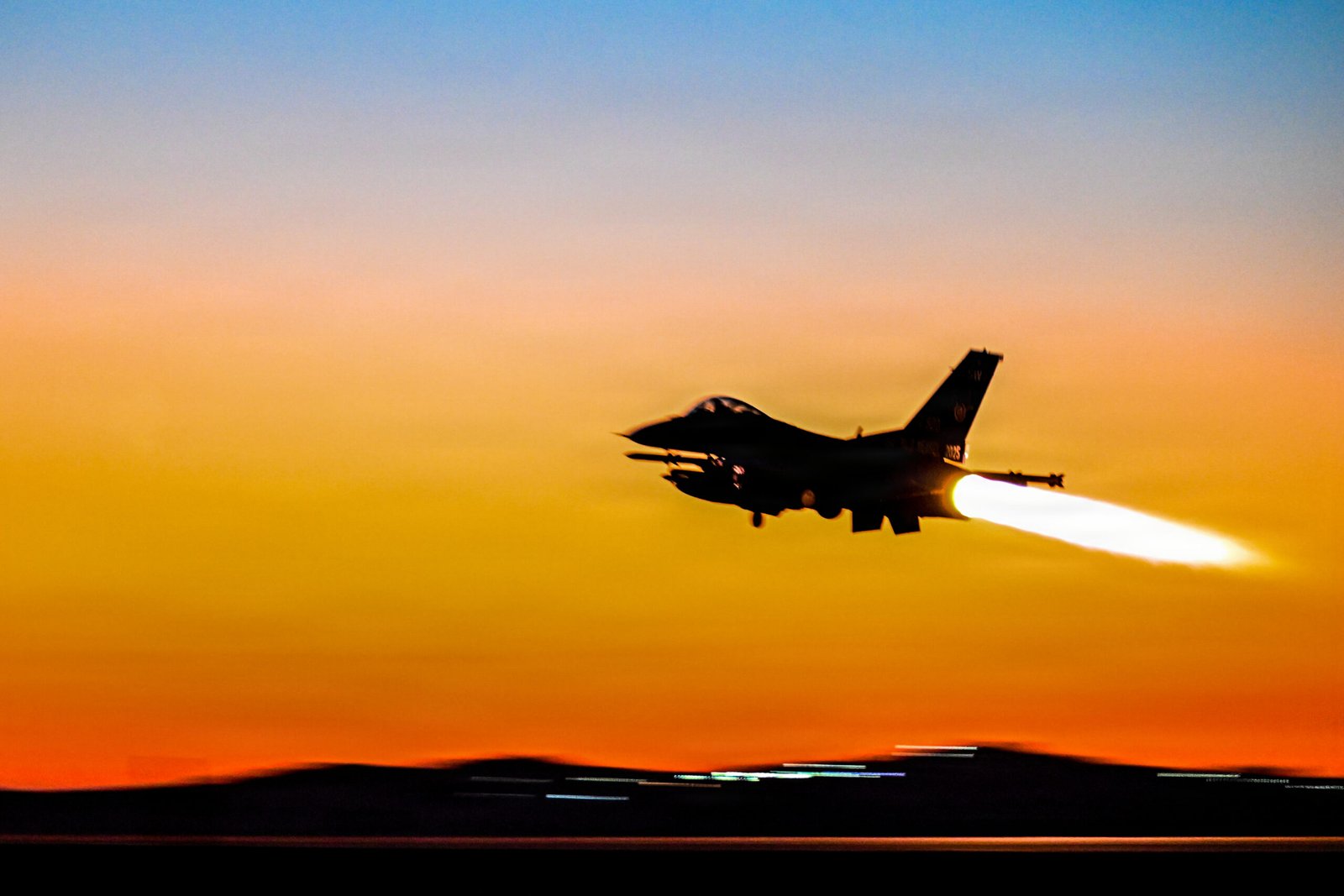
The U.S. resumed strikes against Iran on June 10, as President Donald Trump seeks to pressure Iran to make concessions in the stalled negotiations between the two countries.
“If we need to negotiate with bombs, we’ll negotiate with bombs,” Secretary of Defense Pete Hegseth said during a visit to U.S. Central Command’s headquarters in Tampa, Fla., shortly before the strikes began. “We’re very good at it. Nobody better in the world.”
CENTCOM said it began the “self-defense strikes” at 5:15 p.m. Eastern Time, which is 12:45 a.m. in Iran. After around four hours, the command said the attacks had concluded for now.
Trump told Fox News U.S. fighter jets bombed numerous targets in Iran, and that the U.S. also fired 49 Tomahawk cruise missiles, which can be launched from Navy ships and submarines. The president promised to “bomb the s— out” of Iran if they did not agree to a deal.
Trump and Hegseth had signaled the strikes were coming earlier in the day, an unusual step for American officials who usually go out of their way to avoid telegraphing imminent military action.
The U.S. Air Force, Navy, and Marine Corps platforms struck Iranian military surveillance capabilities, communication systems, and air defense sites across Iran with precision munitions, CENTCOM said in a statement. The targets “posed a threat to U.S. forces and international commercial ships transiting regional waters,” the command said.
“The strikes are in response to Iran’s unwarranted and continued aggression. U.S. forces remain vigilant, lethal, and ready,” CENTCOM added.
The airstrikes are the latest in an escalating back-and-forth series of attacks between the U.S. and Iran in recent weeks, despite both sides repeatedly insisting they are adhering to a ceasefire that began in early April.
Trump said in his Fox News interview that the agreement was the “the most violated ceasefire in the history of the world.”
Iranian state-affiliated media reported widespread explosions at sites near the Iranian coast. In a statement, Iran’s Islamic Revolutionary Guard Corps said it fired a surface-to-air missile at an F-16 over the Persian Gulf. IRGC did not claim to have hit the fighter jet, instead saying it forced the aircraft to change course.
The IRGC added later that it targeted U.S. air bases in Kuwait, Bahrain and Jordan with missiles and drones in response to the U.S. strikes. Kuwaiti authorities confirmed they were defending against Iranian aerial attacks and closed the county’s airspace. Bahraini authorities also confirmed the country was under attack. The U.S. Embassy in Jordan warned that “missiles, drones, or rockets” were in Jordanian airspace and urged Americans to take cover. The IRGC said it targeted Muwaffaq Salti Air Base in Jordan, which believed to house U.S. warplanes, with 12 ballistic missiles.
The American attacks on June 10 marked the second straight day the U.S. bombed Iran. The U.S. struck Iran the previous day in three waves of airstrikes against Iranian radars, air defenses, and ground control stations after an Iranian drone downed a U.S. Army AH-64 Apache near the Strait of Hormuz. The two pilots survived and were rescued.
Iran fired ballistic missiles and drones at U.S. bases throughout the Middle East in response. Iranian officials insisted they hadn’t intended to attack the Apache and suggested its downing could have been an accident.
Hegseth cast the renewed strikes as a “strong and clear” negotiating tactic that would continue if Iran did not agree to a deal with the U.S. “Iran has an opportunity to make a deal. That’s the point,” he said.
Earlier in the day, Trump lamented the inability for the U.S. and Iran to reach a diplomatic solution two months into the ceasefire.
“We were really close to a deal, but they keep tapping us along. They keep playing us for suckers,” Trump told reporters at the White House.
Trump said CENTCOM has secretly guided 200 ships carrying around 100 million barrels of oil through the Strait of Hormuz, defying Iran’s closure of the waterway.
After the U.S. airstrikes on June 10 began, Iran declared it would close the Strait of Hormuz to all shipping. CENTCOM denied the claim in a social media post, saying commercial shipping continued to pass through the strategic chokepoint between the Persian Gulf and the Gulf of Oman.
The U.S. military is stopping ships from heading to and from Iranian ports as part of its own blockade. The U.S. has fired at eight vessels to disable them and turned around 134 vessels since the blockade began April 13, according to CENTCOM.
The Trump administration is seeking a deal that would curtail Iran’s nuclear enrichment program. U.S. officials have also said Iran must renounce ambitions of obtaining a nuclear weapon, something Tehran has long insisted it is not seeking to do. Trump has said his deal would be stricter than the 2015 agreement on Iran’s nuclear program reached by the Obama administration. Trump pulled out that pact, known as the JCPOA, during his first term.
“We want a deal that’s meaningful,” Trump said. “We want a deal that works.”
Iran, for its, part, has insisted the U.S. allow the release of frozen funds up front as a sign that Washington is committed to a deal, a step the White House has refused to take.
U.S. and Iranian attempts to reach a deal have been complicated in recent weeks by renewed fighting in Lebanon between Israel and Hezbollah, which is backed by Iran, in addition to the U.S. and Iranian exchanges of fire.
“We will hit them hard on our terms, on the targets that improve the environment for us to operate in and undermine the capabilities that Iran wants to have,” Hegseth said. “But we’re also clearly signaling to them: You have a choice.”
