


Defense Feeds – Baltic Sea. The U.S. Navy Tests Advanced Underwater Drones in Baltic Sea exercise highlights NATO’s increasing focus on undersea security as allied forces seek new ways to monitor maritime activity and protect critical infrastructure in one of Europe’s most strategically sensitive regions.
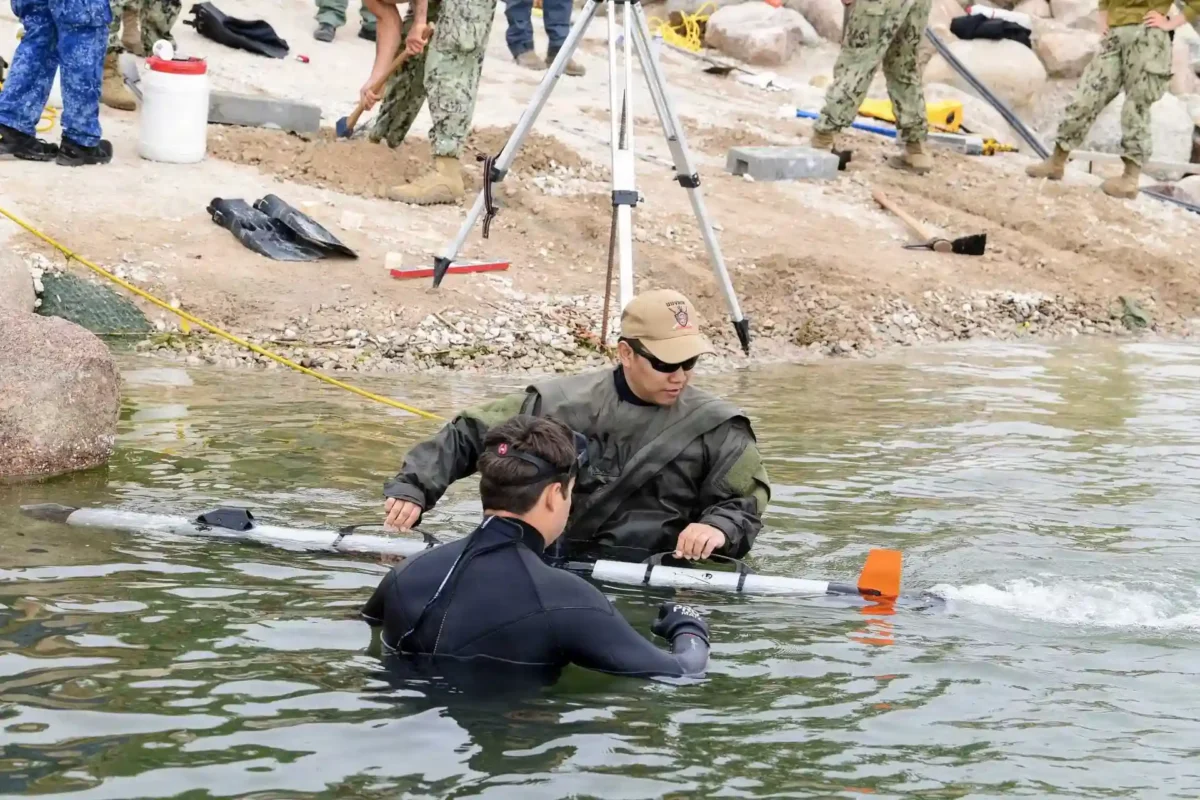
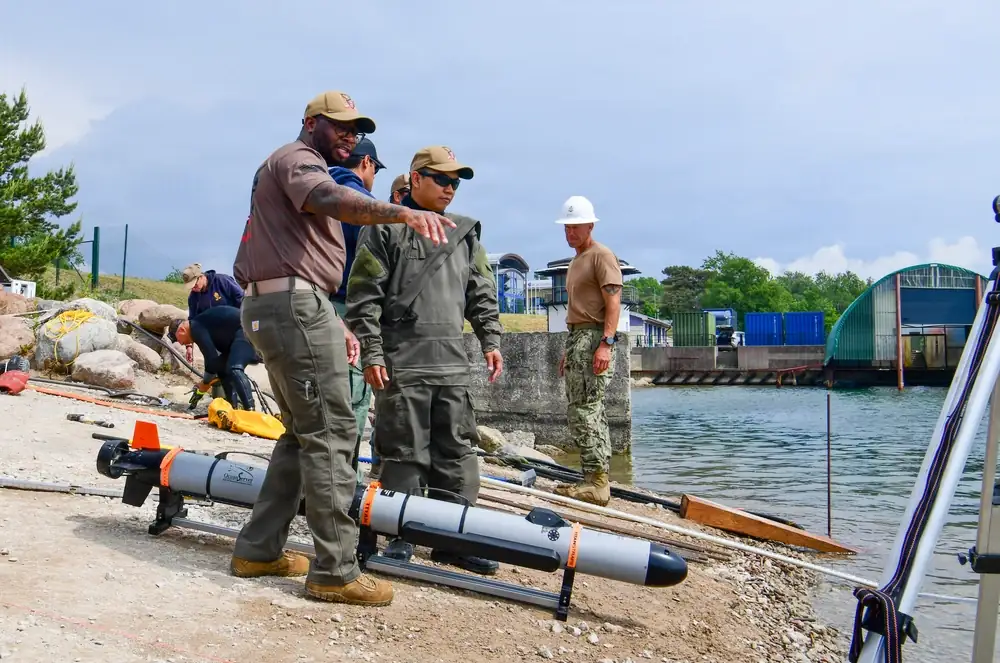
The U.S. Navy recently demonstrated advanced unmanned underwater vehicles (UUVs) during operations in the Baltic Sea, a move that comes amid heightened concerns regarding Russian submarine activity and the security of undersea communication and energy networks.
The demonstration showcased how autonomous underwater technologies could support intelligence gathering, maritime surveillance and anti-submarine warfare missions across contested waters.
Military officials increasingly view underwater drones as essential tools for maintaining awareness beneath the surface, where traditional surveillance assets often face significant limitations. The growing importance of undersea operations has prompted NATO members to accelerate investments in autonomous systems capable of operating for extended periods while collecting critical intelligence.
The latest demonstration underscores a broader shift toward unmanned maritime technologies as the alliance seeks to counter emerging security challenges in European waters.
Underwater Drones Expand NATO’s Maritime Surveillance Network
Unmanned underwater vehicles have become an increasingly important component of modern naval operations.
Unlike conventional submarines, underwater drones can conduct surveillance missions without placing sailors at risk while operating in areas that may be difficult or dangerous for crewed vessels. These systems can monitor underwater activity, inspect critical infrastructure and gather intelligence across large maritime regions.
The U.S. Navy has spent years developing autonomous underwater technologies capable of supporting a variety of missions, including anti-submarine warfare, mine countermeasures and seabed mapping. Recent advances in battery technology, sensors and autonomous navigation have significantly expanded the capabilities of these platforms.
Military planners believe underwater drones can complement traditional naval forces by providing persistent surveillance in key maritime chokepoints and strategically important waterways. In the Baltic Sea, where commercial shipping, military activity and critical infrastructure converge, such capabilities are becoming increasingly valuable.
The demonstration reportedly focused on testing how autonomous systems can integrate with broader NATO maritime operations while providing commanders with enhanced situational awareness beneath the surface.
Russian Submarine Activity Raises Security Concerns
The Baltic Sea has become an area of growing strategic importance since Russia’s invasion of Ukraine and the subsequent expansion of NATO’s presence in Northern Europe.
Western military officials have repeatedly expressed concerns about Russian submarine operations and potential threats to undersea infrastructure, including telecommunications cables, energy pipelines and offshore facilities. Several incidents involving damaged subsea infrastructure in European waters have further heightened attention on maritime security and underwater surveillance capabilities.
As a result, NATO has increased efforts to improve monitoring and protection of critical undersea assets. Autonomous underwater systems offer a practical solution by enabling continuous surveillance without requiring large numbers of ships or submarines to remain on station.
Military analysts note that underwater warfare is becoming increasingly complex. Advances in submarine technology, unmanned systems and seabed operations are creating new challenges for naval forces tasked with maintaining security across large maritime regions.
The Baltic Sea is particularly significant due to its proximity to several NATO members and its role as a major transportation and energy corridor. Maintaining visibility beneath the surface has therefore become a key priority for alliance planners.
Autonomous Systems Shape the Future of Undersea Warfare
The U.S. Navy’s latest underwater drone demonstration reflects a broader transformation occurring across naval forces worldwide.
Autonomous technologies are increasingly being integrated into maritime operations to enhance surveillance, reduce operational costs and improve mission flexibility. Underwater drones are viewed as especially valuable because they can perform tasks that are often difficult, time-consuming or risky for crewed platforms.
Future naval operations are expected to rely on a mix of traditional warships, submarines and autonomous systems working together through interconnected networks. Underwater drones could play a central role in that environment by providing real-time intelligence and helping commanders detect potential threats before they reach critical infrastructure or naval assets.
Defense experts believe the demand for advanced underwater surveillance systems will continue growing as geopolitical competition expands beneath the oceans. Nations are investing heavily in technologies designed to protect undersea communication networks, energy infrastructure and maritime trade routes.
For the U.S. Navy and NATO allies, the Baltic Sea demonstration represents more than a technology test. It signals a growing commitment to strengthening undersea awareness and ensuring maritime security in an increasingly contested environment.
As autonomous underwater systems become more capable, they are expected to play an ever larger role in safeguarding critical infrastructure and maintaining strategic advantage beneath the waves.
