

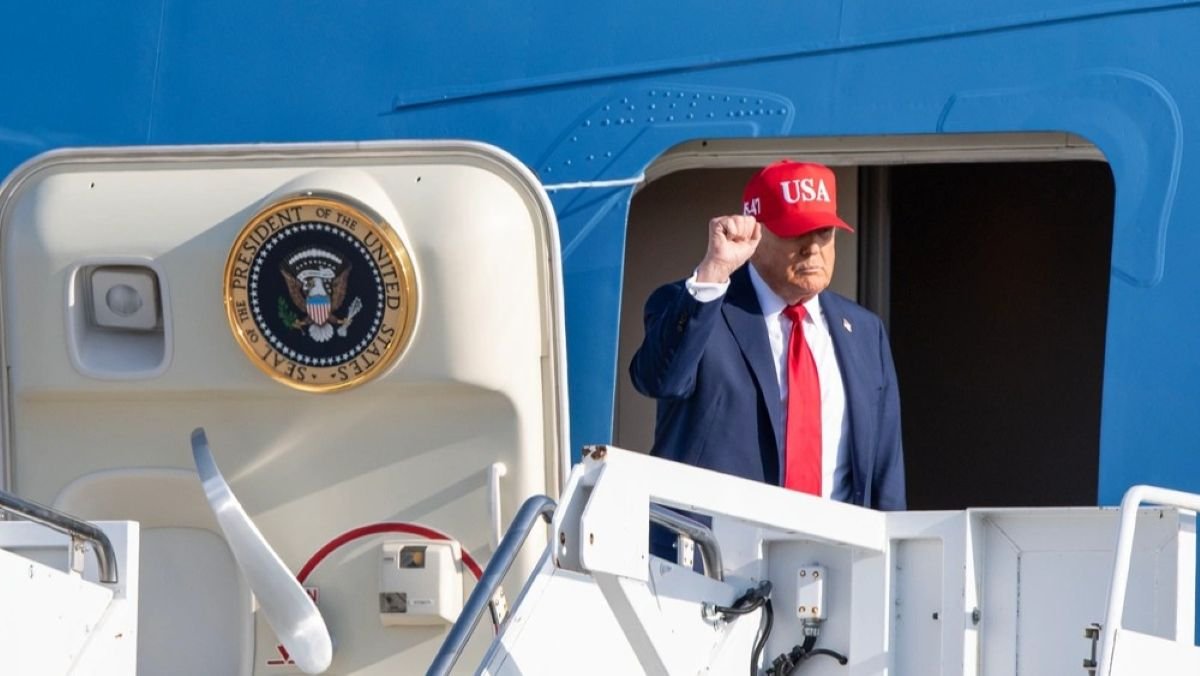
In 2016, Ben Friedman wrote, “The Trump Administration Will be Hawkish,” where he argued that despite Trump’s non-interventionist campaign rhetoric, structural forces, hawkish appointees, and an entrenched foreign policy bureaucracy would push him closer toward conventional military interventionism. Ten years later, we asked Ben to revisit his arguments.Image: Max Goldberg via Wikimedia CommonsIn your 2016 article, you argued the Trump administration would adopt a hawkish foreign policy, namely towards Russia, China, and Iran. What can we gather about his foreign policy objectives towards those countries from his first term and the first year of his second term? What factors have contributed to his decision to take what many perceive as a lighter hand on Russia, and what would it take to reverse this course?With President Trump, it’s vital to separate rhetoric from policy reality. Both Trump administrations’ policies have been hawkish towards these countries. That’s clear with Iran. On China, Trump has been more conciliatory than many expected, especially this term, and has rhetorically kept to strategic ambiguity on Taiwan, unlike President Biden. He lifted restrictions on semiconductor sales to China. But in both terms, he has left U.S. defense posture in East Asia intact, maintaining a hawkish status quo. His recent push to massively increase defense spending is part of that hawkishness, especially the increased investment in shipbuilding.True, Trump has hardly been a conventional hawk on Russia, but his hand on Russia hasn’t been so light. In his first term, he expanded lethal aid to Ukraine, including the provision of Javelin anti-tank missiles. Yes, he halted aid there in summer 2019, leading to his first impeachment, but soon resumed. NATO expanded to Montenegro under his watch, and his first term ended with more U.S. troops in Europe than it started with. Yes, he yelled at Zelensky last year, threatened
Members-Only Content
This article is reserved for War on the Rocks members. Join our community to unlock exclusive insights and analysis.
In 2016, Ben Friedman wrote, “The Trump Administration Will be Hawkish,” where he argued that despite Trump’s non-interventionist campaign rhetoric, structural forces, hawkish appointees, and an entrenched foreign policy bureaucracy would push him closer toward conventional military interventionism. Ten years later, we asked Ben to revisit his arguments.Image: Max Goldberg via Wikimedia CommonsIn your 2016 article, you argued the Trump administration would adopt a hawkish foreign policy, namely towards Russia, China, and Iran. What can we gather about his foreign policy objectives towards those countries from his first term and the first year of his second term? What factors have
