

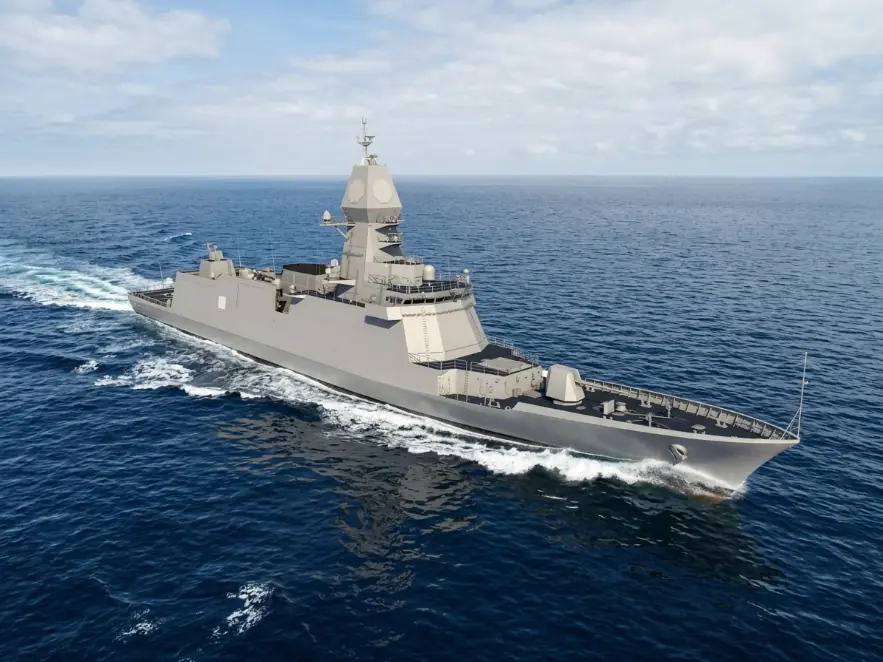
Defense Feeds, Seoul — South Korea is advancing its naval modernization as the South Korea ROKS Jeju frigate boosts advanced naval defense with the launch of a new warship equipped with enhanced air defense and strike capabilities.
The addition of the ROKS Jeju reflects Seoul’s ongoing effort to strengthen maritime security amid rising regional tensions. As naval threats evolve, the need for versatile and technologically advanced platforms is becoming increasingly important.
The ROKS Jeju is part of South Korea’s broader plan to modernize its fleet with next-generation frigates. These ships are designed to perform a wide range of missions, including air defense, anti-surface warfare and maritime patrol. Their introduction enhances the Navy’s ability to operate effectively in both peacetime and conflict scenarios.
The launch marks an important milestone in the country’s shipbuilding and defense development efforts. It also highlights South Korea’s growing expertise in producing advanced naval platforms. The focus now turns to how the frigate will be integrated into operational service.
Advanced Air Defense and Strike Capabilities
The ROKS Jeju frigate is equipped with modern systems designed to address a variety of threats. Its air defense capabilities are a key feature, enabling it to detect and intercept incoming missiles and aircraft. This provides a critical layer of protection for both the ship itself and surrounding forces.
In addition to air defense, the frigate is capable of conducting precision strike operations. Advanced weapon systems allow it to engage surface targets with high accuracy. This dual capability enhances its role as a multi-mission platform.
The integration of modern sensors and combat systems further strengthens its effectiveness. These technologies improve situational awareness and enable faster decision-making. In complex operational environments, such capabilities are essential.
The combination of defensive and offensive systems ensures that the ROKS Jeju can operate independently or as part of a larger task force. This flexibility is a key advantage in modern naval operations.

Strengthening South Korea’s Naval Modernization
The launch of the ROKS Jeju is part of a broader effort to modernize South Korea’s naval forces. As regional security challenges grow, investing in advanced platforms has become a priority. Modern frigates play a central role in maintaining maritime stability.
South Korea’s shipbuilding industry is a major contributor to this effort. The ability to design and produce advanced warships domestically provides both economic and strategic benefits. It also supports long-term sustainability in defense capabilities.
The new frigate is expected to replace older vessels and improve overall fleet performance. Upgrading the fleet ensures that the Navy can respond effectively to emerging threats. It also enhances interoperability with allied forces.
In addition, the modernization program reflects a forward-looking approach to defense planning. By incorporating advanced technologies, South Korea is preparing for future challenges. This includes adapting to new forms of warfare and evolving threat environments.
Strategic Implications for Regional Security
The introduction of the ROKS Jeju has broader implications for security in the region. East Asia is an area of significant strategic importance, with increasing competition among major powers. Strengthening naval capabilities is a key element of maintaining balance and deterrence.
For South Korea, the new frigate enhances its ability to protect national interests and contribute to regional stability. It supports operations such as maritime patrol, defense of sea lanes and participation in joint exercises. These activities are essential for maintaining security in the region.
The deployment of advanced naval platforms may also influence the actions of other countries. As capabilities increase, so does the need for cooperation and communication to prevent escalation. Managing these dynamics will remain an ongoing challenge.
Looking ahead, the successful integration of the ROKS Jeju into active service will be an important step. Training, operational testing and coordination with other units will determine its effectiveness. If implemented successfully, the frigate will become a valuable asset in South Korea’s naval strategy.
The launch of the ROKS Jeju underscores South Korea’s commitment to maintaining a modern and capable navy. In an increasingly complex security environment, such investments are essential for ensuring long-term stability and readiness.
