

“This part-time opportunity is an important next step toward fully integrating the talent we need into a single component,” Gen. Chance Saltzman said.
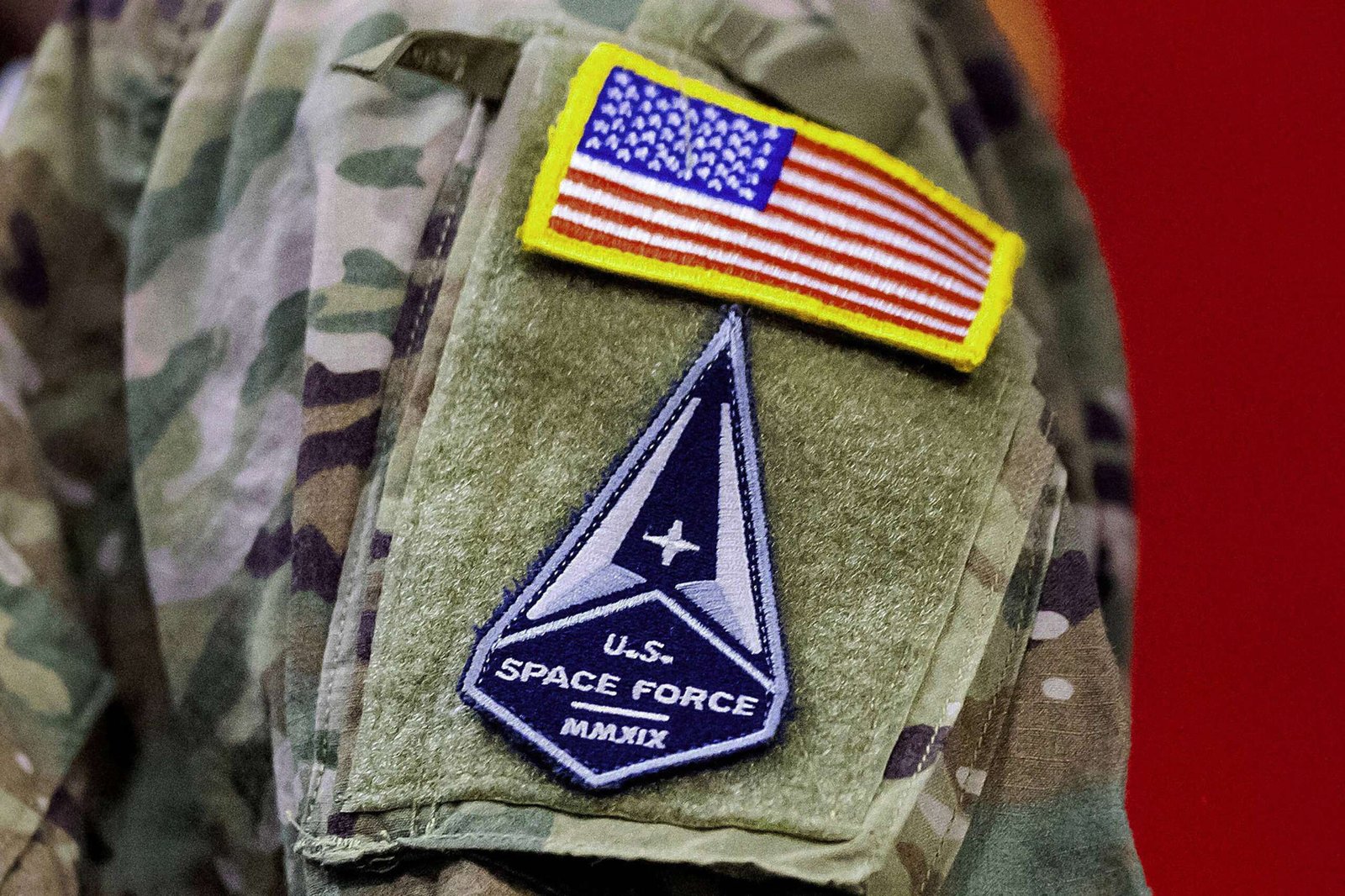
The Space Force has selected nearly 250 Air Force reservists in space-related career fields to transfer into part-time roles, marking a major step in the service’s effort to build a new personnel model that blends full- and part-time service instead of maintaining separate active-duty and reserve components.
The move is part of the service’s broader effort to strengthen recruiting, attract top talent and provide more flexibility to retain service members longer.
The Space Force Personnel Management Act, signed into law as part of the 2024 defense policy bill, enables the newest military branch to depart from the traditional component structure and create this unified, more flexible personnel system. And for the past two years, the service has been trying to figure out how to support this fundamentally different approach to managing talent, including how to manage pay, benefits, retirement and VA eligibility for part-time Guardians.
The Space Force is implementing the Personnel Management Act in phases. The initial phase, completed in June 2025, focused on transferring Air Force reservists into full-time Space Force roles. Just six months ago, the service opened applications for part-time positions.
“This part-time opportunity is an important next step toward fully integrating the talent we need into a single component, best equipped to ensure readiness and achieve our nation’s warfighting missions,” Chief of Space Operations Gen. Chance Saltzman said last year.
The group selected for transfer to part-time duty roles includes both officers and enlisted personnel, with ranks ranging from second lieutenant to colonel and from staff sergeant to chief master sergeant.
Air Force reservists who accept their assignments will begin transferring into the Space Force this summer. Officers selected for part-time roles must serve at least three years, while enlisted personnel must commit to a minimum of three years and up to six years of service.
Part-timers, who will be known as Guardians on non-sustained duty, will work in test and evaluation, training support and education, and headquarters staff roles, and will be required to complete at least 36 days of service each year to have a “good year” toward retirement. Space Force leaders previously said that these opportunities are designed to be “episodic,” and the number of days part-time Guardians are expected to work will vary depending on the role.
“You’ll be able to select your preferences for positions — you’ll see the job description and location. Your minimum participation can be 36 days, but the expected work schedule will be set by the hiring authority, and it may be Monday through Friday work. You may find opportunity for weekend work, but the hiring authority will define what the schedule looks like,” Gen. Matthew Holston, the Space Force’s Personnel Management Act integration director, said last year.
Guardians will be able to apply for available part-time roles at the end of their assignments, but commanders will determine which billets are eligible for part-time service. Air Force reservists with 15 to 18 years of qualifying service who transfer into the Space Force will be allowed to stay in part-time roles until they qualify for retirement.
Holston said the goal is to provide Guardians greater flexibility to navigate life changes without having to switch between active duty and the reserve components.
“We believe this is going to help us with talent retention,” Holston said. “There may be life events where you say, ‘I want to continue to serve, but I need to take a step back.’ This gives us an opportunity to do that.”
Over time, the Air Force Reserve, like the Air Force, will eliminate space operations as a career field. Reservists in space-related career fields will be required to transfer to the Space Force or retrain into another role.
If you would like to contact this reporter about recent changes in the federal government, please email anastasia.obis@federalnewsnetwork.com or reach out on Signal at (301) 830-2747.
Copyright
© 2026 Federal News Network. All rights reserved. This website is not intended for users located within the European Economic Area.
