

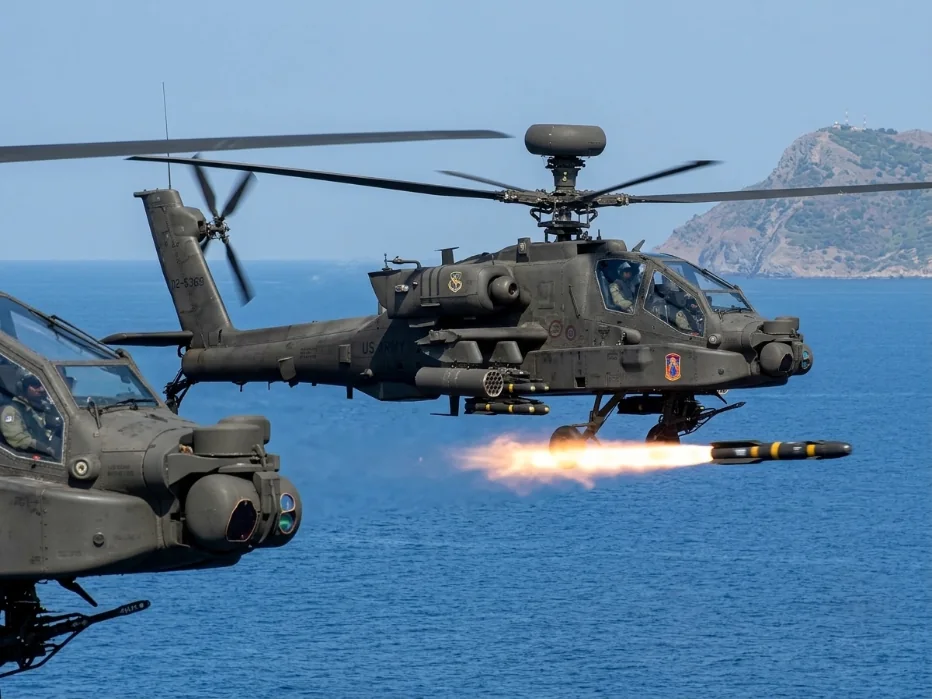
Defense Feeds, The Hague — The Netherlands is strengthening its precision strike capability as the Netherlands Hellfire missile deal boosts precision strike capability through a $200 million agreement to acquire 530 AGM-114 Hellfire missiles.
The purchase reflects a broader effort to enhance operational readiness and maintain interoperability with allied forces. As modern conflicts increasingly demand precision engagement, such systems are becoming essential components of military arsenals.
The Hellfire missile is widely used across NATO forces and is known for its accuracy and reliability in combat operations. It can be deployed from various platforms, including helicopters and unmanned aerial systems. This flexibility allows armed forces to adapt to different mission requirements while maintaining a high level of effectiveness.
The acquisition underscores the Netherlands’ commitment to maintaining a modern and capable defense force. It also highlights the importance of investing in proven systems that can be integrated quickly into existing operations. The focus now shifts to how these missiles will enhance the country’s overall military capability.
Enhancing Precision Strike and Operational Flexibility
The AGM-114 Hellfire missile is designed for precision engagement against a wide range of targets. It is capable of striking armored vehicles, fortified positions and other high-value assets with minimal collateral damage. This level of accuracy is critical in modern combat environments where precision is a key requirement.
One of the main advantages of the Hellfire system is its versatility. It can be integrated into multiple platforms, including attack helicopters and unmanned aerial vehicles. This allows forces to deploy the missile in different operational scenarios without significant modifications.
The addition of 530 missiles provides a substantial boost to the Netherlands’ strike capability. It ensures that sufficient stockpiles are available for both training and operational use. Maintaining such reserves is essential for sustained readiness.
In addition, the system’s proven track record reduces the risks associated with new acquisitions. By choosing a widely used and tested missile, the Netherlands ensures reliability in both peacetime and conflict situations.

Strengthening NATO Interoperability and Defense Cooperation
The acquisition also reinforces the Netherlands’ role within NATO. Using a common system like the Hellfire missile enhances interoperability with allied forces. This is particularly important during joint operations where coordination and compatibility are critical.
Interoperability allows for more efficient mission planning and execution. Forces can share resources, coordinate strikes and operate seamlessly across different platforms. This strengthens collective defense capabilities within the alliance.
The deal also reflects ongoing cooperation between the Netherlands and its partners. Defense procurement often involves collaboration with allied nations and industries. Such cooperation supports both operational and strategic objectives.
At a broader level, the purchase aligns with NATO’s emphasis on readiness and modernization. Member states are encouraged to invest in capabilities that enhance both national and collective defense. The Hellfire acquisition contributes directly to this goal.

Strategic Importance in Modern Military Planning
The decision to invest in Hellfire missiles highlights the growing importance of precision weapons in modern warfare. As conflicts become more complex, the ability to engage targets accurately and efficiently is increasingly valuable. Precision systems reduce collateral damage and improve mission outcomes.
For the Netherlands, this acquisition supports a wider strategy of maintaining a flexible and responsive military force. It ensures that the armed forces can operate effectively in a range of scenarios, from peacekeeping to high-intensity conflict. Such versatility is essential in today’s security environment.
The investment also reflects the need to keep pace with evolving threats. Adversaries are developing new technologies and tactics that require advanced countermeasures. Maintaining a modern arsenal helps ensure that the Netherlands remains prepared for these challenges.
Looking ahead, the integration of these missiles into operational units will be a key step. Training, logistics and maintenance will all play a role in maximizing their effectiveness. If implemented successfully, the acquisition will significantly enhance the country’s defense capabilities.
The Netherlands’ decision to procure 530 Hellfire missiles demonstrates a clear commitment to strengthening its military readiness. In an increasingly uncertain global environment, such investments are essential for maintaining security and stability.
