

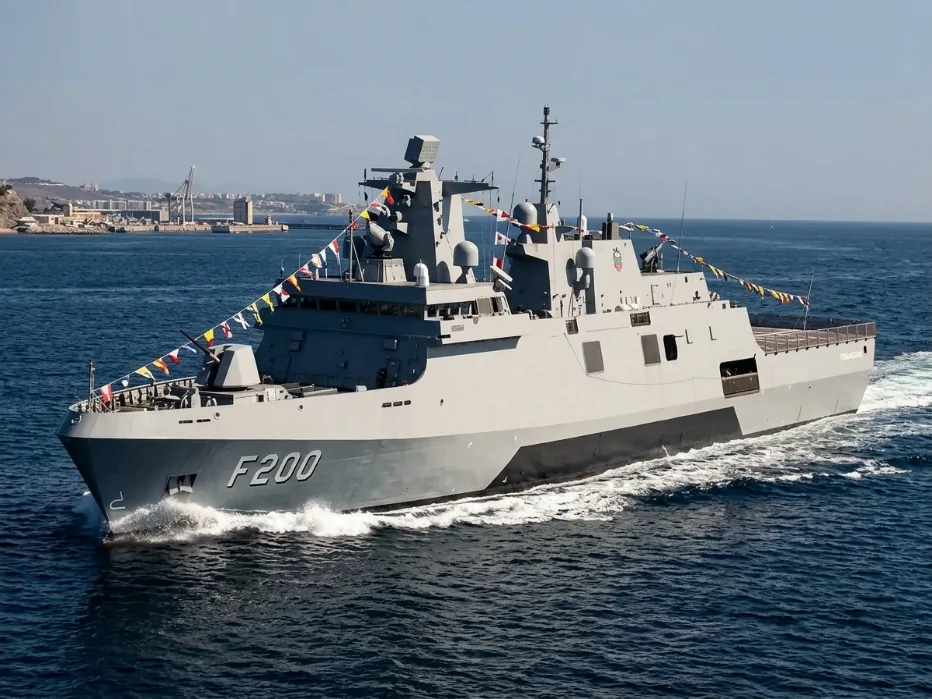
Defense Feeds, Brasília — Brazil is moving to strengthen its maritime capabilities as the Brazil Navy Tamandaré frigates plan boosts South Atlantic security through a new acquisition program in partnership with Germany.
The initiative aims to secure four modern frigates designed to enhance naval presence and protect strategic interests across the region. As maritime challenges evolve, the move reflects a growing focus on safeguarding key sea lanes and national assets.
The Tamandaré-class frigates are expected to play a central role in Brazil’s naval modernization strategy. These vessels are designed to operate across a range of missions, including patrol, escort and maritime security operations. Their introduction will significantly upgrade the Navy’s ability to respond to both traditional and emerging threats.
Brazil’s decision also highlights the importance of international cooperation in defense projects. By working with Germany, the program combines local industrial development with advanced technological expertise. This approach supports both operational capability and long-term industrial growth.
Modern Frigates to Strengthen Maritime Presence
The Tamandaré-class frigates represent a new generation of surface combatants tailored for modern naval operations. Equipped with advanced sensors, communication systems and weapon platforms, these ships are designed to operate effectively in complex maritime environments. Their versatility allows them to perform a wide range of missions, from surveillance to combat operations.
One of the key advantages of these frigates is their adaptability. They can be configured to address different operational needs, including anti-surface, anti-air and potentially anti-submarine roles. This multi-role capability is essential for maintaining flexibility in unpredictable scenarios.
The addition of four new frigates will enhance Brazil’s ability to maintain a continuous presence in the South Atlantic. This region is critical for trade, energy resources and national security. Strengthening naval capabilities in this area helps ensure stability and protect economic interests.
At the same time, modern frigates provide improved interoperability with allied forces. This is particularly important for joint operations and international maritime security initiatives. The Tamandaré-class is expected to contribute to both national and cooperative missions.

Partnership With Germany Supports Industrial Growth
The collaboration with Germany is a key aspect of the frigate program. It allows Brazil to leverage advanced shipbuilding expertise while developing its domestic defense industry. This partnership is expected to facilitate technology transfer and skill development within Brazil.
By involving local shipyards and companies, the program supports job creation and economic growth. It also strengthens Brazil’s ability to maintain and upgrade its naval assets independently. This level of self-reliance is increasingly important in the defense sector.
The partnership also reflects a broader trend toward international cooperation in military projects. Sharing expertise and resources can accelerate development and reduce costs. For Brazil, this approach ensures access to proven technologies while building domestic capability.
In addition, the program aligns with long-term strategic planning. Investing in modern shipbuilding capabilities provides benefits beyond a single project. It establishes a foundation for future naval development and innovation.

Strategic Importance for South Atlantic Security
The acquisition of Tamandaré-class frigates has significant implications for regional security. The South Atlantic is a vital area for global trade routes, offshore resources and maritime connectivity. Ensuring stability in this region is essential for both Brazil and its partners.
A stronger naval presence allows Brazil to better monitor and protect its maritime domain. This includes addressing challenges such as illegal fishing, trafficking and potential security threats. Modern frigates provide the tools needed to respond effectively to these issues.
The move also reinforces Brazil’s role as a key maritime power in the region. By investing in advanced capabilities, the country demonstrates its commitment to maintaining security and stability. This can contribute to greater confidence among regional partners.
Looking ahead, the success of the Tamandaré program will depend on effective integration into the fleet. Training, maintenance and operational planning will all play important roles. If implemented successfully, the new frigates will significantly enhance Brazil’s naval capabilities.
The decision to acquire these vessels reflects a broader recognition of the importance of maritime security. As global dynamics continue to evolve, maintaining a capable and modern navy remains a strategic priority. Brazil’s investment in the Tamandaré-class frigates is a clear step in that direction.
