

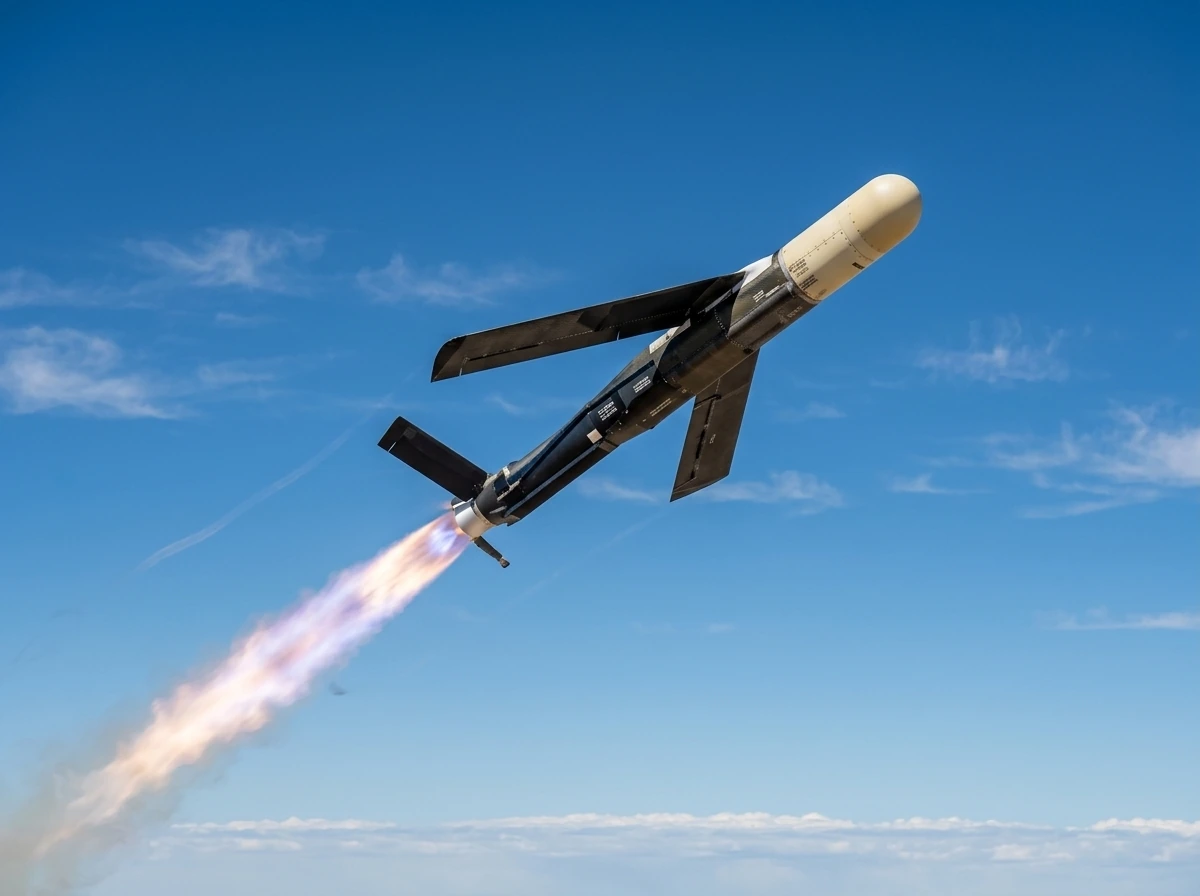
Defense Feeds, Washington — The U.S. Army is moving to secure its counter-drone capabilities as Coyote Interceptors Boost U.S. Army Defense Against Drone Swarms through a new long-term procurement strategy.
The initiative reflects growing concern over the rapid rise of unmanned aerial threats on modern battlefields. As drone warfare evolves, traditional air defense systems are increasingly challenged by smaller, faster, and more numerous targets. The Army’s decision to pursue a sustained acquisition plan signals a shift toward long-term readiness.
Rather than relying on short-term purchases, this approach ensures a steady supply of interceptors across multiple operational environments. It also highlights how drone swarms are becoming a central threat that cannot be addressed with conventional systems alone.
Responding to the Growing Drone Swarm Threat
Drone swarms have changed the dynamics of warfare by overwhelming defenses with sheer numbers and coordination. These systems can conduct surveillance, deliver explosives, or disrupt operations at a fraction of the cost of traditional weapons. Their increasing availability makes them a threat from both state and non-state actors.
The Coyote interceptor is specifically designed to counter these threats in real time. It operates as a small, expendable unmanned system capable of intercepting hostile drones before they reach their targets. This allows forces to neutralize threats early and reduce potential damage.
Unlike traditional missile systems, Coyotes are built for flexibility and rapid deployment. They can be launched quickly and adjusted to engage multiple incoming drones in dynamic environments. This makes them particularly effective against swarm tactics that rely on speed, unpredictability, and volume.
They also provide a scalable solution, allowing operators to deploy multiple interceptors simultaneously. This layered response is critical when dealing with coordinated drone attacks. As swarm tactics evolve, systems like Coyote offer a practical and adaptable defense.

Long-Term Procurement and Strategic Planning
The U.S. Army’s move toward a long-term deal represents a major shift in how it approaches counter-drone warfare. Instead of reacting to immediate threats, the Army is planning for sustained and growing demand. This ensures that counter-UAS capabilities remain available and ready at all times.
A long-term contract also supports industrial stability and encourages innovation. Defense manufacturers can scale production, invest in improvements, and refine system performance without uncertainty. This leads to faster delivery timelines and more advanced capabilities over time.
The strategy reflects lessons learned from recent conflicts, where drone usage surged dramatically and often outpaced available defenses. Maintaining a consistent supply of interceptors is now seen as essential. It ensures that frontline units are not left vulnerable during critical operations.
This approach also allows the Army to standardize its counter-drone solutions. Consistency across units improves training, logistics, and operational effectiveness. In complex battlefields, having reliable and familiar systems makes a significant difference.
Strengthening the Future of Counter-Drone Warfare
Coyote interceptors are part of a broader effort to modernize the Army’s counter-UAS capabilities. As drones become faster, smarter, and more autonomous, defenses must evolve accordingly. Systems like Coyote provide a flexible and scalable solution.
They can be integrated into layered defense networks alongside radar, electronic warfare systems, and other interceptors. This creates a more comprehensive shield against a wide range of aerial threats. No single system can handle everything, but Coyotes play a key role in the overall defense architecture.
Looking ahead, counter-drone warfare will remain a defining element of modern conflict. The ability to detect, track, and neutralize swarms will determine battlefield success. By investing in systems like Coyote, the U.S. Army is preparing for that reality.
As the threat landscape continues to evolve, adaptability will be critical. The long-term acquisition of Coyote interceptors ensures that the Army remains ready. In an era dominated by unmanned systems, staying ahead of drone warfare is no longer a choice—it is a necessity.
