

Terry Gerton We have a really interesting case to look at, one that made the Armed Services Board of Contract Appeals. Tell us how a decision about security changes at an army base ended up at that court.
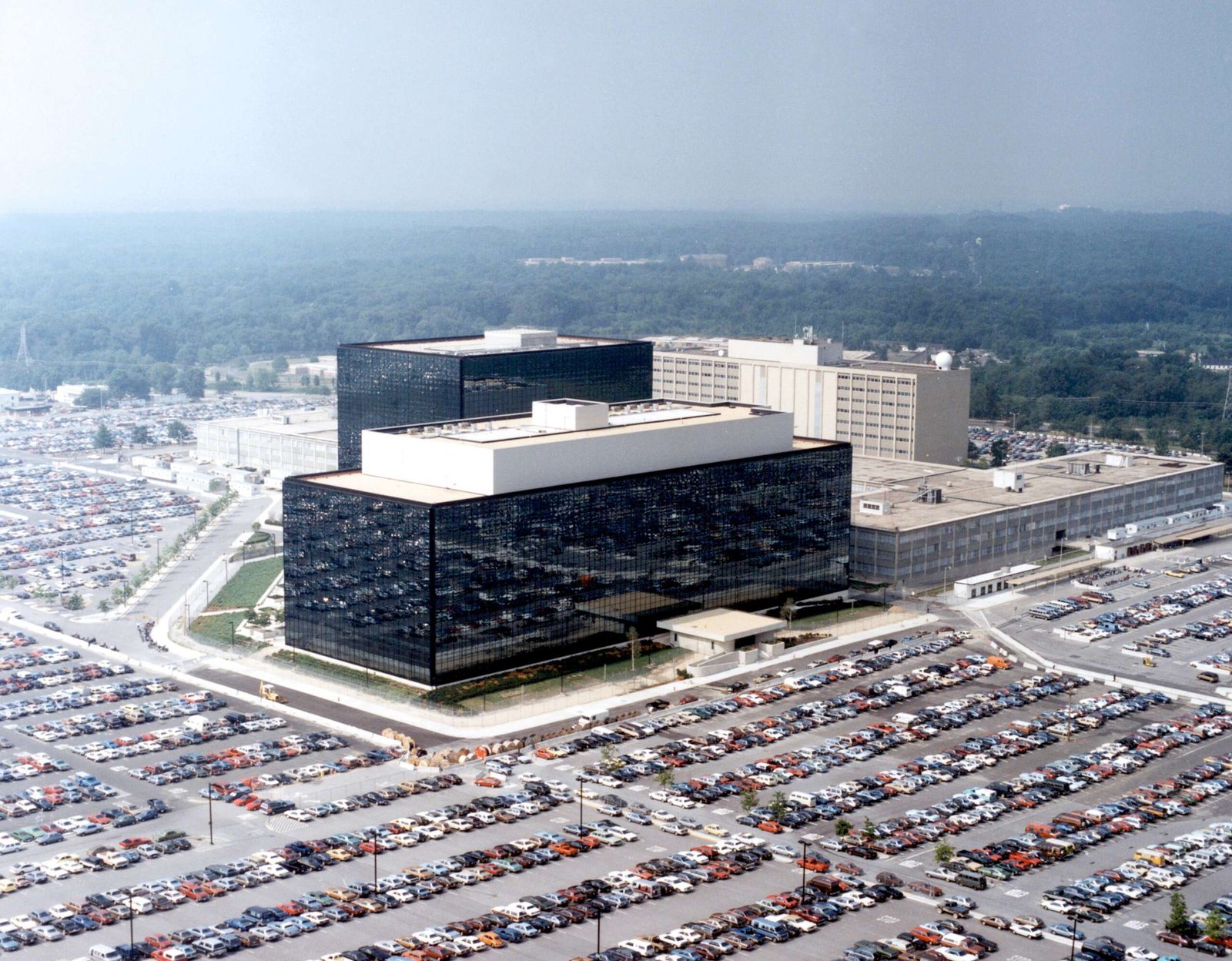
Zach Prince Sure. So as a predicate, this is part of, I think there are 15 other appeals all filed by the same contractor, Meltech, all relating to the same project. This has been going on since at least 2020, probably longer. The board has issued a bunch of decisions on small related issues. It seems pretty apparent that the board is sick of this. They dropped the footnote at the of one of the decisions last year — I mean, every one of these cases that they filed is about like $10,000 at most, and it’s aggregates to a large amount for a company, and I get that you’d want to fight about everything when it injures your reputation and has a potentially huge impact. But the board was pretty clear in a footnote they dropped last year in one of the decisions that this is the type of matter that any reasonable group of parties would have resolved through negotiations, the usual give and take that contractors and contracting officers ought to expect. I mean, it was dripping with some pretty stern language, but nonetheless, they pressed forward with yet another part of their case, and here this was security requirements that changed for this project at Fort Meade.
Terry Gerton The key issue here seems to be the Sovereign Acts Doctrine. Talk to us about what that is and how it comes into play here.
Zach Prince Sure. So this is one of those esoteric, legal ideas that I think would offend the sensibilities of the average person if they knew about it, but is one the big blockers for contractors to recover against the government on matters where the government really does cause the contractor to expend significant extra costs. So it has been held that when the government acts in its capacity as the government, It’s not in its capacity as your contracting counterparty, but as the sovereign ruler, it acts in general for general security reasons, not targeted at a contractor, that the government is immune from paying damages as a result. So this came up a lot in COVID-era cases where the government closed bases and closed facilities and contractors are now on the hook for tons of extra costs that they didn’t anticipate. But it also came up in 9/11. The seminal case on this is a case called Connor Brothers Construction, which went to the Federal Circuit, where a construction company was blocked from access to a facility in Georgia because of extra security post-9/11 for some period of time. It comes up every shutdown, which unfortunately keeps coming up as an issue we have to deal with. Our contractors will come up with novel arguments for why they ought to get money. And the government will say no, because we weren’t acting in a contract capacity, we’re acting in a sovereign capacity. So this doctrine comes up here because Fort Meade at some point during this construction project enacted a new set of security regulations that the contractor claimed caused a massive set of delays for them. 132 days they ultimately stated and $1.7 million dollars in damages. This is by far their biggest claim, by the way — I know I said they had all these $10,000 claims, then they have the $1.7 million claim. The government said, no, it doesn’t matter that you claim all of these issues were caused by these new security regulations because we were acting in our sovereign capacity.
Terry Gerton So if you’re a contractor, how can you tell the difference between that sovereign capacity and your contractor partner capacity?
Zach Prince So the way you ought to look at it is whether it’s targeted at you, a single contractor, or maybe even a group of contractors at the same facility. It’s possible that you might have that kind of argument where you can parse it finally, versus acting generally for every party who might be coming onto a facility, or in the broader sense, when you look at the COVID cases, shutdown cases. Is the government acting in a general, non-specified way, exercising its police authority or necessary powers to protect public health, things like that, versus are they doing something about this contract, or is it incidental?
Terry Gerton I’m speaking with Zach Prince. He’s a partner at Haynes Boone. And Zach, this case is curious because even when you get past the sovereign capacity, the board had some particular comments on Meltech’s own response to these challenges, right?
Zach Prince Yeah, they did. The Sovereign Act doctrine was discussed here, and it’s important, I think, for folks to remember this, particularly as we keep coming to more shutdowns where this comes up. But really, it didn’t turn on this. The board dealt with it first, and they said, because of sovereign acts, we don’t really need to deal with whether the government was acting reasonably and whether you, Meltech, really suffered those damages. But then they did anyway. The Board then said, But in any case, all the evidence that we’ve heard, and they had a multi-day hearing on this, showed that the government rolled out the security procedures carefully with real thought, where they helped hold the hands of any contractors that needed it to get access for their individuals. They extended existing base passes and to the extent necessary, they gave temporary passes to get onto the facilities to the exact necessary. And still, Meltech could not submit security packages that were complete and accurate. And so they kept having delays that were their own fault. So the board really had no compunctions about raking Meltech over the coals on this one. And given the facts that the board weighed and saw here, yeah, I understand why they did that.
Terry Gerton Military bases are prone to changes in security protocols for all kinds of reasons, and as you’ve just mentioned, shutdowns and other sorts of events can actually close those bases. If you’re a contractor working on a military base, what does this case tell you you ought to have in the front of your mind all the time?
Zach Prince You ought to always remember that you are, in fact, working at a military base and that they will have these procedures. And it sounds like some of the Meltech subcontractors were putting people forward for security background checks that would never pass a background check. People had criminal records or had obvious character defect issues that they ought to have done some vetting. So if you’re doing a project, particularly at Fort Meade, You ought to know that this is where, this is the context of what we’re doing. We are working on a very secure military base. We have to have someone who’s checking to ensure that we’re complying with security requirements, which can change. And if they change, you have to be able to pivot and make sure that the people you’re hiring are able to be admitted.
Terry Gerton And thinking about it also from the government side, how should agencies think about preparing for these events and what kind of notice they need to give to contractors who might find themselves sort of in Meltech’s situation?
Zach Prince You know, the fact is, I think that the government did what it was supposed to here. This might be a good case for the government to look to for this is what we ought to do. They gave advance notice of about a month with very detailed, frequently asked questions and procedures, giving multiple phone numbers to be able to call for questions. They worked with all the contractors, taking into consideration who needed priority in analyzing and granting an approval. This was a great job from the government, at least from all the testimony the board relates.
Terry Gerton So it’s a matter of trying to make sure you never get mentioned in a footnote.
Zach Prince That’s right. I mean, that’s the other part that I’m sure there’s reasons that were going on in the background for why the court didn’t just settle this. I think this particular appeal with $1.7 million on it probably would have stuck in the crawl of the court when it seemed very obviously based on the testimony here that Meltech screwed this up and they were still having the gall of trying to get a bunch of money. But a lot of the parts of this case seem like they were teeny things that the government just wasted resources by fighting. And you have to really keep in mind the big picture when you’re deciding whether to settle a matter. I know it’s not easy for government counsel because they’re beholden to contracting officers who may or may not have strong personalities. But you’ve just got to think big picture about whether things are worth the resource investment.
Copyright
© 2026 Federal News Network. All rights reserved. This website is not intended for users located within the European Economic Area.
